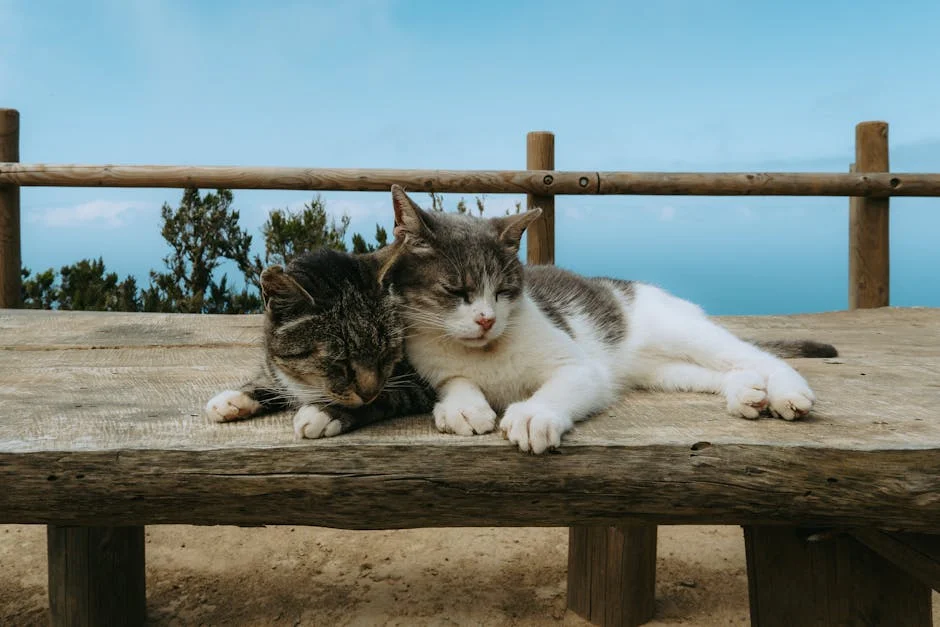
A multi-species guide to decoding your pet’s affection, backed by science and practical observation, with a love languages framework and troubleshooting for owners who feel unloved by their pet.
how to tell if your pet loves you
how to tell if your pet loves you
Introduction
You come home and your dog wags its tail so hard its whole body shakes. Your cat slow-blinks at you from the couch.
But does that really mean love? Learning how to tell if your pet loves you isn’t always as straightforward as those viral videos suggest.
Affection looks different across species, and sometimes what we interpret as love is just a learned response to treats. This guide cuts through the guesswork with a multi-species lens, blending the latest animal behavior science with real-world observation so you can finally decode your pet’s true feelings.
We’ll explore the chemical bonds that form between you and your companion, then break down species-specific signs from dogs and cats to rabbits and birds. You’ll discover a practical love languages framework that helps you recognize your pet’s unique style of affection.
And if you’ve ever worried that your pet doesn’t love you, there’s a dedicated troubleshooting section to uncover what might really be going on. By the end, you’ll see your relationship in a whole new light.
The Science of Pet Love: Oxytocin, Dopamine, and Bonding
The bond you share with your pet isn’t just emotional fluff. It’s rooted in hard science.
When you lock eyes with your dog, both of your brains release oxytocin, the same hormone that strengthens the bond between mothers and babies. Researchers in Japan found that mutual gazing triggers a positive feedback loop, elevating oxytocin levels in both species and deepening your connection.
This chemical dance is one of the clearest indicators of how to tell if your pet loves you.
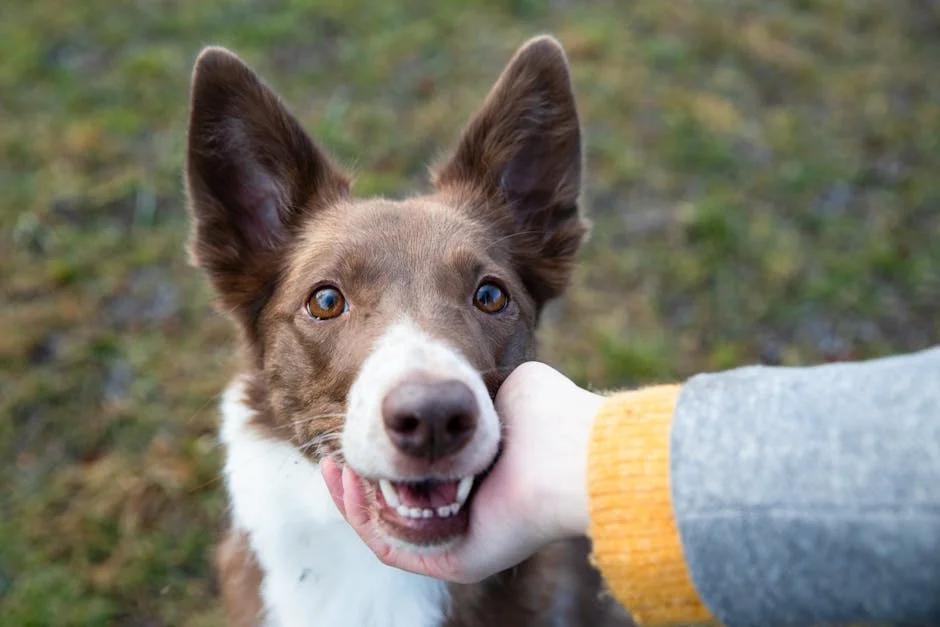
Dopamine, the brain’s reward molecule, also plays a starring role. Your pet’s brain lights up with dopamine when they anticipate your arrival or hear your voice.
That rush of pleasure isn’t just about treats or walks; it’s about you. In fact, studies show that dogs prefer praise from their owners over food rewards.
The same reward pathways activate when you see your pet’s happy face, creating a mutual addiction to each other’s company. While the specific signs vary by species, the underlying neurochemistry is remarkably similar, whether you’re how cats show love or decoding a dog’s wagging tail.
Pro Tip
Hold gentle eye contact with your dog for a few seconds at a time. This simple act triggers oxytocin release in both of you, strengthening your bond far more than a treat ever could.
Bonding is a two-way street. Every belly rub, game of fetch, and quiet moment together reinforces these neural pathways.
Consistency builds trust, and trust amplifies the oxytocin response over time. So if you’ve ever wondered how to tell if your pet loves you, the answer is written in your shared biochemistry.
Next, we’ll explore the specific ways dogs say ‘I love you’ so you can spot these signs in your own pup.
How Dogs Say ‘I Love You’
Understanding how dogs communicate love means tuning into a language of subtle physical cues and social rituals. If you’re trying to figure out how to tell if your pet loves you, a dog’s signals are often the most overt, yet they can still be misinterpreted.
A wagging tail isn’t always joy, and a slobbery kiss might have multiple meanings. But when you know what to look for, the signs are unmistakable.
And while dogs have their own style, rabbits express affection differently, so it’s worth learning their specific love languages too.
Physical Closeness and Touch
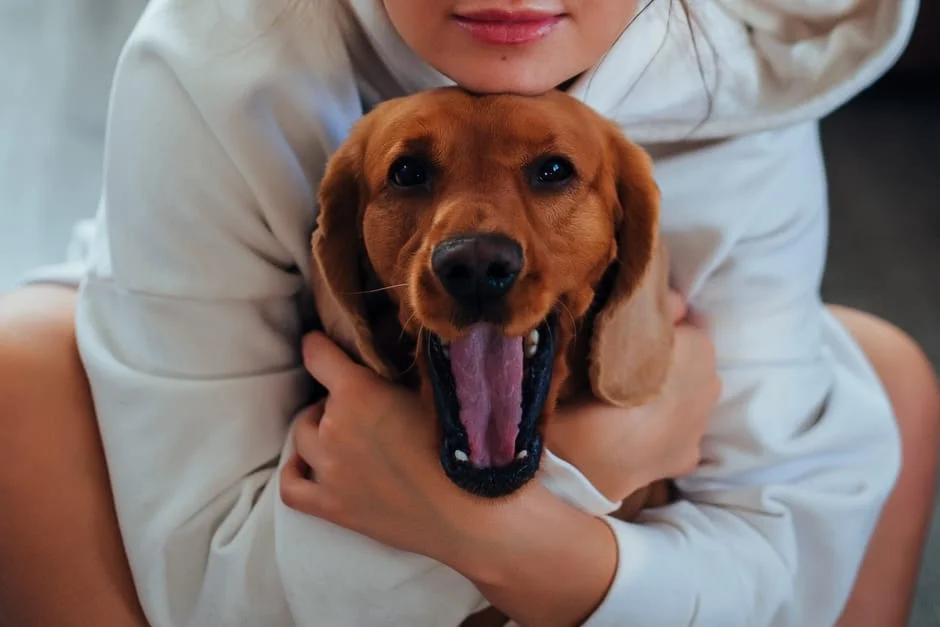
Leaning their full body weight against you is a dog’s version of a hug. This behavior, often seen when you’re standing still, signals trust and a desire for contact.
Dogs don’t lean on strangers; they reserve this for their inner circle. Licking serves a similar bonding purpose.
Mother dogs groom their pups to comfort them, and when your dog licks your hands or face, they’re extending that nurturing instinct to you. Even the seemingly opportunistic post-meal cuddle is genuine: a dog who seeks you out right after eating isn’t angling for more food,they simply want to be near their favorite human.
Sleeping arrangements reveal deep attachment. In the wild, canines sleep huddled with pack members they trust for safety.
If your dog insists on sleeping in your bedroom, or better yet, on your bed, they view you as a trusted pack member. Letting you touch the top of their head is another vulnerable gesture.
Many dogs instinctively dislike head pats from strangers, but a dog that relaxes and closes its eyes when you do it is showing complete comfort with you.
Social and Behavioral Cues
Tail wagging is a nuanced signal. Research shows that a wag biased to the right indicates positive feelings, while left-side wagging can signal anxiety.
So if your dog greets you with a right-leaning wag, that’s a love sign.
Did You Know
A tail wagging predominantly to the right is a sign of positive feelings, while left-side wagging may indicate anxiety. Watch the direction next time your dog greets you.
Contagious yawning is another surprising indicator. A study from the University of Tokyo found that dogs yawn more frequently when their bonded owner yawns, suggesting empathy.
Bringing you a favorite toy isn’t just play,it’s a form of sharing prized possessions, a behavior rooted in pack generosity.
Eye contact is perhaps the most powerful bonding mechanism. When your dog gazes into your eyes, both your oxytocin levels rise, mirroring the bond between parent and child.
This mutual gaze loop is a clear sign of love that goes beyond simple conditioning. And the frantic, full-body excitement when you walk through the door,jumping, spinning, uncontrollable tail wagging,is a pure expression of joy at your return.
Studies confirm that reunions boost oxytocin and lower stress hormones in dogs, proving it’s not just a learned response for treats.
Some dogs even ‘check in’ on you during walks or in new environments, glancing back to ensure you’re nearby. This herding-like behavior is a protective form of affection.
Recognizing these signs transforms how you interpret your dog’s daily actions and deepens the bond you share. Next, we’ll explore how cats express their own unique brand of love.
How Cats Say ‘I Love You’
Cats don’t wear their hearts on their sleeves like dogs do, but once you learn to read their subtle language, the signs of love become unmistakable. A cat that trusts you will reveal it through a series of quiet, deliberate behaviors that many owners overlook.
Recognizing these feline affection signals is the key to understanding just how deeply your cat has bonded with you.
The Slow Blink: A Cat’s ‘I Love You’
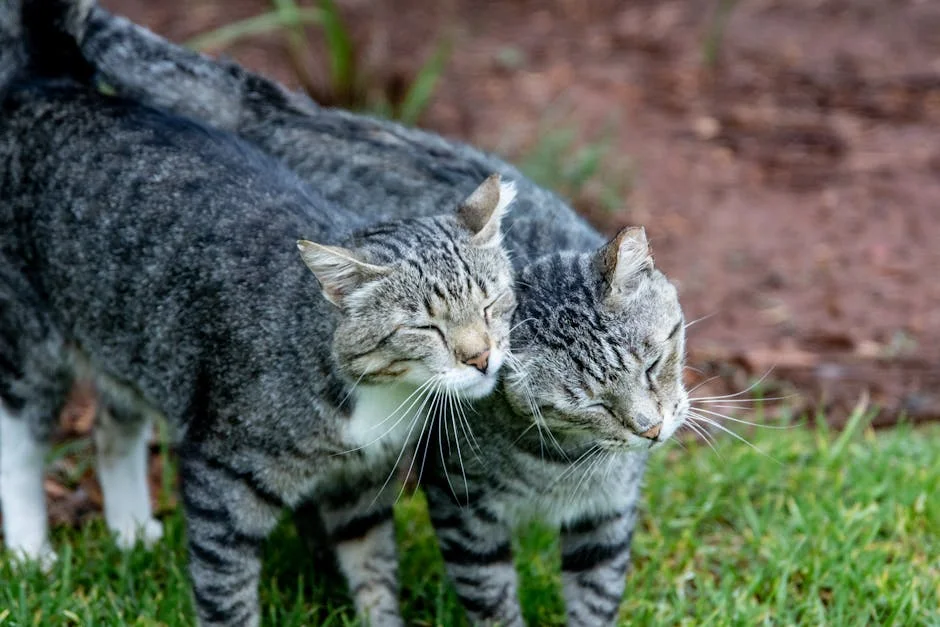
Among the most reliable signs your cat loves you is the slow blink, sometimes called a cat kiss. When your cat gazes at you and deliberately closes its eyes for a long moment, it’s signaling complete trust and relaxation in your presence.
In the wild, closing eyes around another animal is a vulnerable act, so a cat that slow blinks at you is essentially saying, ‘I feel safe enough to let my guard down.’ Try returning the gesture by slowly blinking back. Many cats will reciprocate, creating a quiet, mutual exchange of affection that deepens your bond.
Physical Affection: Head Bunting and Kneading
Physical touch from a cat is never random. Head bunting, where your cat rubs its forehead and cheeks against you, deposits scent from glands located there.
This isn’t just marking territory. It’s a way of mixing your scents together, creating a shared family odor that signals belonging.
Kneading, often called ‘making biscuits,’ traces back to kittenhood when nursing kittens knead their mother’s belly to stimulate milk flow. An adult cat that kneads on your lap is tapping into that deep-seated comfort memory, associating you with the safety and nourishment of its earliest days.
Both behaviors are profound expressions of feline affection that go far beyond simple habit.
| Signal | What It Means | How to Respond |
|---|---|---|
| Slow blinking | Trust and affection; a ‘cat kiss’ | Slow blink back to reciprocate |
| Head bunting | Scent marking to create a shared family odor | Gently pet or offer your forehead for a bunt |
| Kneading | Comfort behavior from kittenhood; deep contentment | Provide a soft blanket and avoid startling them |
| Purring | Happiness and relaxation (though can also signal pain) | Listen to context; if relaxed, enjoy the moment |
| Bringing gifts | Treating you as family; providing for the group | Praise the gesture calmly, even if the gift is a toy or prey |
Beyond these hallmark signals, cats show love through purring, following you from room to room, and even bringing you ‘gifts’ like toys or, less charmingly, prey. Each of these actions reinforces the idea that your cat sees you as part of its inner circle.
Learning how to tell if your pet loves you means tuning into these species-specific dialects. In the next section, we’ll explore how smaller pets like rabbits and birds express their own unique forms of devotion.
How Rabbits, Birds, and Small Pets Show Affection
Rabbits, birds, and tiny companions like guinea pigs express love in subtle ways that are easy to miss if you’re only looking for dog-like tail wags. Recognizing these quieter signals is a big part of how to tell if your pet loves you, and once you learn their language, the bond deepens fast.
Rabbits
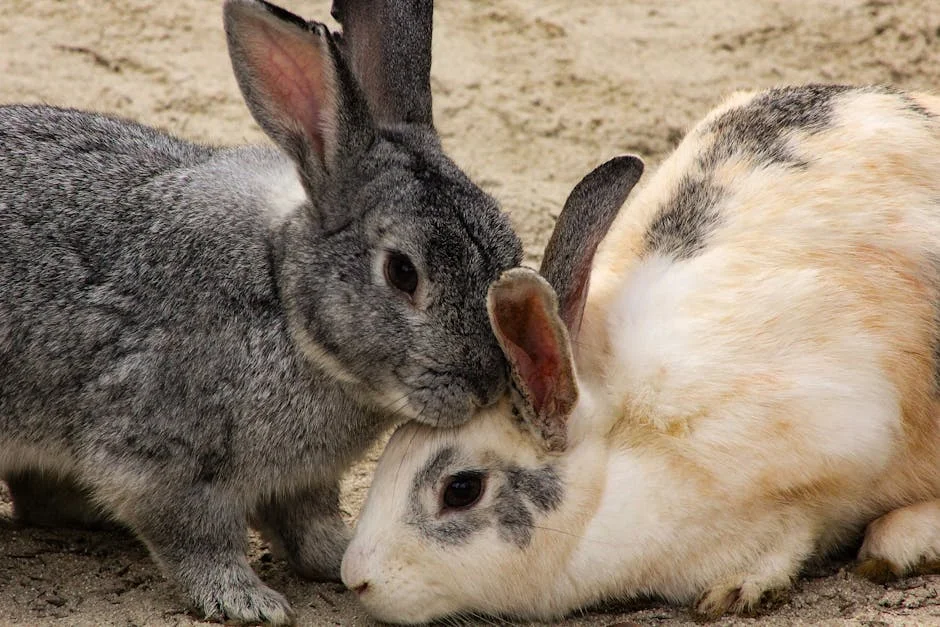
A rabbit that flops onto its side near you is offering a massive compliment. That vulnerable posture means complete trust.
Binkying, those joyful mid-air twists and kicks, is pure happiness often triggered by your presence. Grooming your hand or even your clothes mimics how bonded rabbits care for each other, and a soft tooth-purring sound while you pet them is the rabbit equivalent of a purr.
Common Mistake
Not every small pet behavior is a sign of love. A rabbit thumping its hind legs is actually a warning signal, not affection. Learn to read the context so you don’t misinterpret fear or annoyance as bonding.
Birds and Small Pets
Parrots and other companion birds show affection through preening your hair or gently nibbling your fingers, behaviors they reserve for flock mates they trust. A bird that beak-grinds while resting on you feels completely safe, and one that regurgitates a bit of food for you is treating you like a mate, a powerful sign of bonding even if it’s messy.
Small mammals have their own love languages. Guinea pigs "popcorn" with little happy hops when you approach, and a contented rat will brux, grinding its teeth softly while relaxing in your hands.
Hamsters that run to the cage door when they hear your voice aren’t just hoping for a treat, though teasing apart genuine affection from food motivation can be tricky. A distinction between love and treat-seeking often comes down to what happens after the snack is gone: a pet that stays close and seeks contact is showing real attachment.
Once you start noticing these species-specific signs, you’ll see that your rabbit, bird, or tiny friend has a unique way of saying "I love you." The next step is learning how those signals fit into a broader love language, which is exactly what we’ll explore next.
Pet Love Languages: Understanding Your Pet’s Unique Style
The concept of love languages isn’t just for humans. Pets also have preferred ways of giving and receiving affection, and learning to spot them is one of the most rewarding parts of understanding how to tell if your pet loves you.
Some animals crave physical closeness, while others express devotion through playful engagement or quiet companionship. By observing which interactions make your pet light up, you can build a deeper, more trusting bond.

Physical touch is the most obvious love language for many dogs and even some cats. A dog that leans against your legs or a cat that kneads your lap is actively choosing to be near you.
But not every pet is a cuddler. A rabbit might prefer to sit a few feet away, simply watching you, and that quiet presence is their version of quality time.
Birds often use vocalizations as words of affirmation, chirping excitedly when you enter the room. Recognizing these differences means you stop expecting a cat to act like a dog and start appreciating the unique emotional signature of your own pet.
Figuring out your pet’s style takes patience. Try offering different types of attention, a belly rub, a treat puzzle, a calm training session, and see which one gets the most relaxed, engaged response.
The key is to notice what your pet offers you spontaneously. A pet that consistently brings you toys may be showing love through gift-giving, while one that follows you from room to room is giving the gift of presence.
Once you identify their language, you can speak it back, strengthening the mutual affection that makes the human-animal bond so special.
Love vs. Learned Behavior: Is It Real Affection?
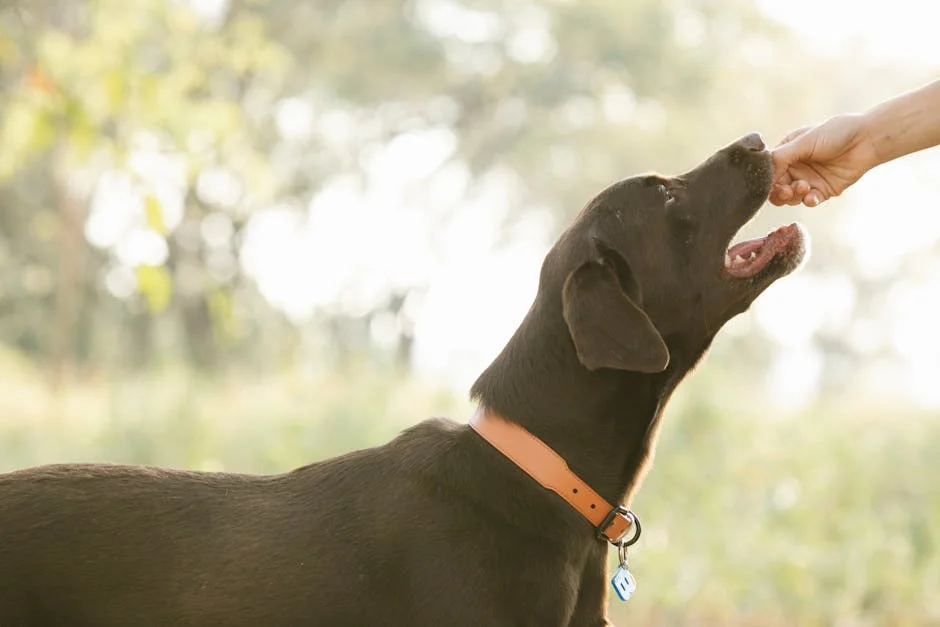
Pet owners often wonder if their animal’s affectionate gestures are genuine, and learning how to tell if your pet loves you starts with separating instinct from emotion. A dog that licks your face after you’ve given him a treat might just be after the peanut butter residue, not expressing deep love.
Deciphering the difference requires looking beyond the surface and understanding the context in which behaviors occur.
Context is the most reliable clue. When your cat curls up on your lap and purrs while you’re watching TV, that’s likely affection.
But if the same cat only appears when you shake the treat bag, you’re seeing learned behavior in action. The key is to observe whether the behavior happens spontaneously, without any obvious reward, and during calm, bonding moments.
| Behavior | True Affection Indicator | Possible Learned Behavior |
|---|---|---|
| Tail Wagging | Relaxed, full-body wag when you return home | Wagging only when you hold a treat or leash |
| Purring (Cats) | Purring while kneading on your lap during quiet time | Purring near the food bowl at mealtime |
| Following You | Following you from room to room even when no food is involved | Following only to the kitchen or when you open a can |
| Licking/Grooming | Gentle licking of your hand or face during calm moments | Licking after you’ve eaten something tasty |
Of course, some behaviors can be both. A rabbit that nudges your hand might be asking for a treat, but it also trusts you enough to make contact.
The distinction isn’t always black and white. Over time, you’ll learn to read your pet’s body language and the situations that trigger certain responses.
Trust your gut, and remember that real affection often comes with a sense of calm, not frantic anticipation. If you’re still unsure, the next section will help you recognize signs when your pet seems distant.
What If Your Pet Doesn’t Seem to Love You?
Feeling like your pet doesn’t love you can be genuinely heartbreaking. You watch other owners get tail wags and cuddles while your companion seems indifferent or even aloof.
Before you assume the worst, consider that you might simply be speaking different love languages. The way animals show affection often looks nothing like a human hug, and missing those signals is more common than you’d think.
Are You Missing the Signs?
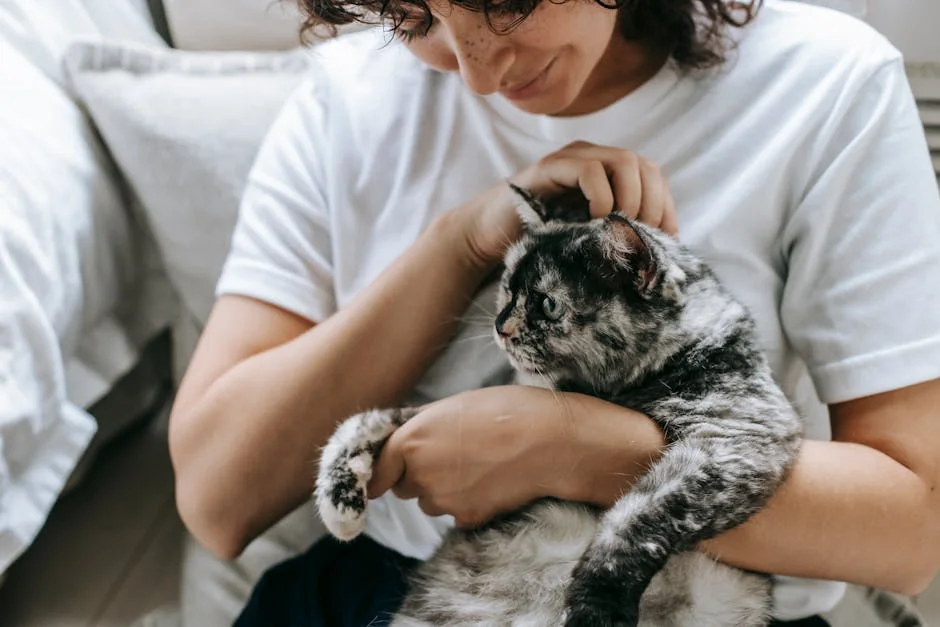
Many pet owners misinterpret their animal’s behavior because they expect affection to look like a dog’s exuberant greeting. A cat who slowly blinks at you from across the room isn’t ignoring you; she’s offering a deep sign of trust.
A rabbit who turns his back and starts grooming himself feels so safe around you that he doesn’t need to watch for threats. Even a bird who regurgitates a bit of food on your shoulder is performing a bonding ritual, not being gross.
Learning to spot these subtle cues is often the first step toward realizing your pet has been showing love all along.
Every species has its own set of comfort signals, and individual personalities add another layer. Some dogs lean against your legs instead of licking your face.
Some cats follow you from room to room without ever sitting on your lap. If you’re only counting overt displays, you’ll miss the quiet companionship that forms the backbone of many pet relationships.
Reframing your expectations around your pet’s natural communication style can dissolve that feeling of rejection almost instantly.
Building a Stronger Bond
If you’ve looked for the subtle signs and still feel a gap, focus on creating positive shared experiences without pressure. Spend ten minutes a day doing something your pet genuinely enjoys, whether that’s a feather wand session for a cat or a slow sniff walk for a dog.
Let them set the pace for physical contact; forcing cuddles can actually push a reserved animal further away. Consistency matters more than grand gestures, so small daily rituals like a predictable feeding routine or a calm morning greeting build trust over time.
With patience and a willingness to learn your pet’s unique love language, you’ll likely discover the affection was there all along. If months pass with no progress and your pet seems stressed or withdrawn, a vet check can rule out pain or illness that might be dampening their social side.
More often than not, the love is present; it just needs the right translator.
Common Myths About Pet Affection Debunked
Pet owners often misinterpret their animal’s behavior, falling for myths that can make them doubt the bond they share. Learning how to tell if your pet loves you means separating fact from fiction, and science reveals that many common beliefs about pet affection are simply wrong.
Let’s debunk two of the biggest myths that might be clouding your perception of your pet’s true feelings.
Myth: Your Pet Only Loves You Because You Feed Them
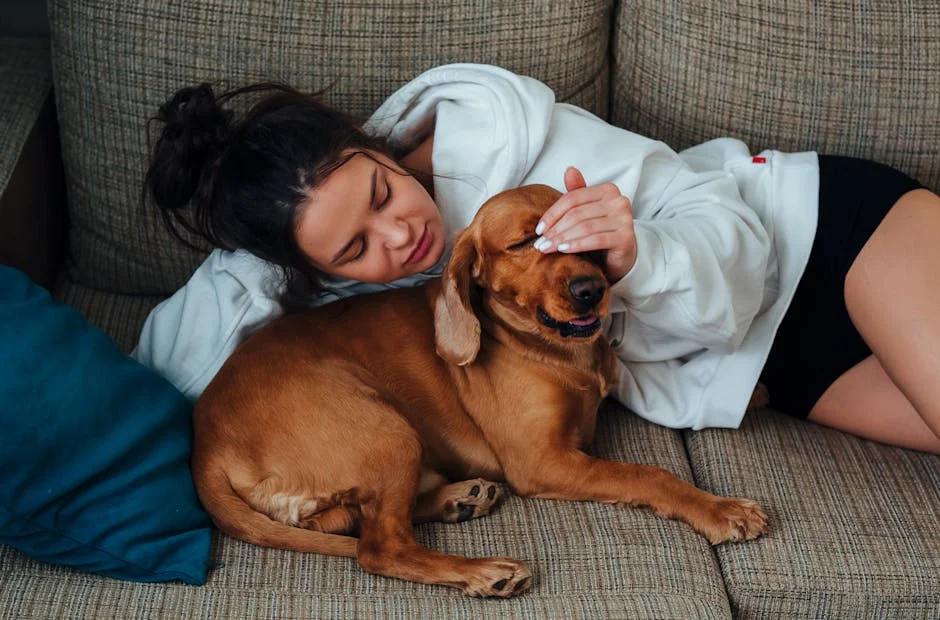
Food is a powerful motivator, so it’s easy to assume every tail wag or purr is just a transaction. But research on the human-animal bond shows that oxytocin, the same hormone that strengthens parent-child connections, spikes in both dogs and their owners during mutual gazing, not just at mealtime.
A pet that seeks your company after a full meal, or chooses to rest near you when no treats are involved, is demonstrating genuine attachment. Cats, too, often rub against your legs or knead on you long after their bowl is empty, signaling comfort and trust that goes beyond hunger.
Even pets that seem obsessed with treats often display affection in food-free moments. A rabbit that nudges your hand for pets after eating, or a bird that preens your hair while perched on your shoulder, isn’t angling for a snack,they’re reinforcing social bonds.
The key is to observe behavior when food isn’t present. If your pet still seeks you out, follows you from room to room, or relaxes in your presence, that’s love, not just cupboard love.
Myth: A Pet That Doesn’t Cuddle Doesn’t Love You
Not all animals express love through physical contact, and forcing cuddles can actually damage your relationship. Many cats show affection by slow-blinking from across the room, while dogs might lean against your legs or bring you a toy instead of climbing onto your lap.
Rabbits often express trust by flopping onto their side nearby, and birds may sing or chatter when you enter the room. These are all clear signs of pet affection, even if they don’t match the cuddly image we see in movies.
Understanding your pet’s unique love language is crucial. Some animals have a lower tolerance for close contact due to past experiences or personality, but they still demonstrate love through proximity, play, and protective behaviors.
A dog that sleeps at the foot of your bed rather than on your pillow is still choosing to be near you. Respecting these boundaries actually deepens the bond, because your pet learns that you understand and accept them on their terms.
Debunking these myths helps you see the real, science-backed ways your pet says ‘I love you.’ Instead of measuring affection by human standards, tune into the subtle signals your pet gives every day. Up next, we’ll answer some of the most common questions owners have about decoding their pet’s love.
FAQ
Can pets really feel love like humans do?
Pets experience a similar bonding chemistry to humans, releasing oxytocin when they interact with you. Their love isn’t identical to ours, but the emotional attachment and sense of safety they feel is genuine and measurable. Studies show dogs, cats, and even birds form secure attachment bonds that mirror human caregiver relationships.
How long does it take for a pet to bond with a new owner?
Timelines vary by species and individual personality, but many dogs start showing clear attachment within two weeks to a month. Cats may take several months to fully trust, while rabbits and birds can bond deeply in just a few weeks of consistent, gentle interaction. The key is daily positive experiences and respecting their pace.
Why does my cat follow me everywhere but not cuddle?
Following you is a strong sign of feline affection, even if they avoid physical touch. Cats often show love through proximity and slow blinks rather than lap sitting. Your cat wants to be near you on their own terms, which is a clear expression of trust and companionship.
Do pets know when you’re sad and try to comfort you?
Many pets are highly attuned to human emotions and will respond to crying or distress by staying close, nuzzling, or offering a paw. Dogs especially read facial expressions and vocal tones, while cats may purr or rub against you to provide comfort. This empathetic behavior is a powerful indicator of their bond with you.
What’s the biggest sign my pet loves me unconditionally?
Unconditional love often shows up as a pet choosing to be with you even when nothing else is on offer,no treats, no play, just your presence. If your dog rests their head on you without asking for anything, or your cat sleeps on your chest during a quiet afternoon, that’s pure affection without any strings attached.