
Granada is one of the most essential things to do in Spain for travelers seeking profound history and stunning architecture. This city was the final stronghold of Moorish rule on the Iberian Peninsula until its reconquest by the Spanish Christian Monarchs in 1492.
That pivotal moment shaped its unique identity,a captivating blend of Islamic and Christian influences you can still experience today.
While often skipped on rushed one-week itineraries, Granada is absolutely worth the detour if you have ten days or more. Its crown jewel, the Alhambra Palace, is a UNESCO World Heritage Site that draws visitors from around the world.
Beyond the palace, the city’s ancient alleyways, vibrant tapas culture, and views of the Sierra Nevada mountains create an unforgettable Spanish destination.
Finding the Perfect Granada Accommodation
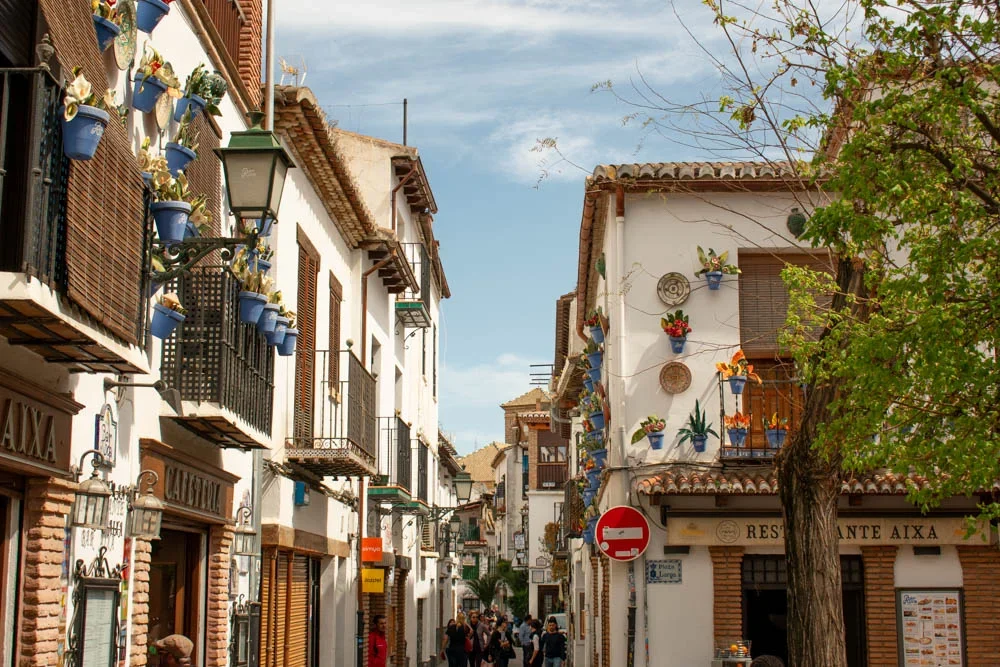
Your choice of where to stay in Granada depends heavily on your travel budget and style. For solo travelers or those watching costs, hotels near the train station offer significant savings on transportation, as you’ll likely arrive and depart by rail for other Spanish destinations.
If you’re splitting costs or have a larger budget, opt for a hotel in the historic center to immerse yourself in the city’s Moorish atmosphere. Nearly all accommodations place you within walking distance of the city’s iconic sights, though some of the best viewpoints in the Sierra Nevada foothills require a short cab ride.
- Catalonia Granada: A fantastic value just 10 minutes from the train station, with a stunning rooftop pool and bar that provides a welcome respite after a day exploring the UNESCO World Heritage sites.
- Palacio Gran Vía, a Royal Hideaway Hotel: A luxurious high-end stay featuring a spa, gym, and an unforgettable rooftop terrace overlooking the cathedral,a landmark from the Reconquest of Spain.
Visiting the Alhambra Palace
The Alhambra is the crown jewel of Granada and the single most essential experience among all the things to do in Granada Spain. This breathtaking Moorish palace complex, a UNESCO World Heritage site, offers a profound journey into Spain’s history, perched high above the city with the Sierra Nevada mountains creating a dramatic backdrop.
Securing tickets is critical,they sell out months in advance outside the low season. Book your general daytime admission (€19.09) on the official site the moment your travel dates are firm.
For a truly magical alternative, consider the nighttime visit option when the palace is atmospherically lit.
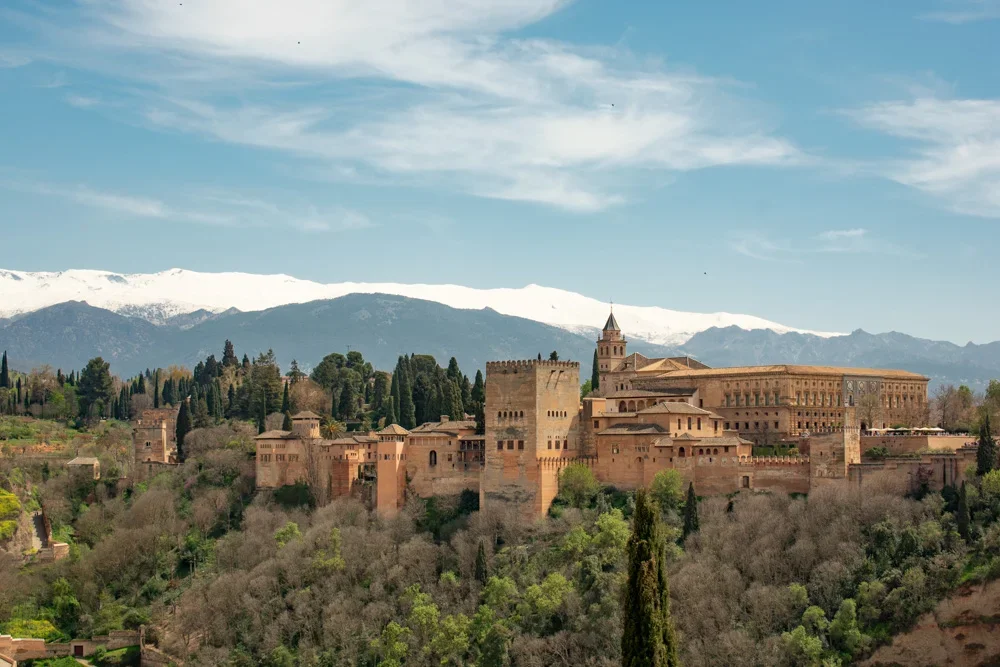
Allocate at least half a day to fully explore the sprawling grounds, intricate architecture, and lush gardens. You can actually access some outer areas for free to enjoy panoramic views over the city, a perfect preview if you can’t get a ticket.
Visiting the Nasrid Palaces
The Nasrid Palaces are the absolute crown jewel of any visit to Granada, representing the pinnacle of Moorish architecture in Spain. As the royal residence of the final Islamic kingdom before the Spanish Christian monarchs completed the Reconquest, this UNESCO World Heritage site is breathtaking.
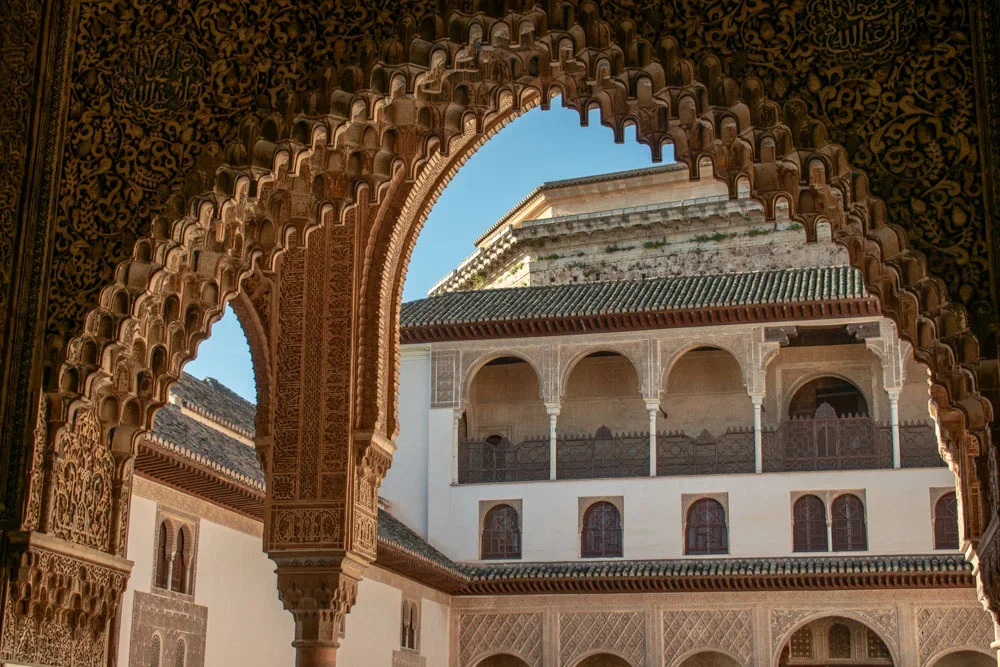
The intricate stucco carvings, serene courtyards with reflecting pools, and dazzling geometric tilework create an atmosphere that is both grand and intimate.
Securing a timed entry ticket for the Nasrid Palaces is non-negotiable and should be your first booking priority. I always book the earliest available slot,this allows you to experience the palaces with thinner crowds and then explore the rest of the Alhambra complex at a relaxed pace without worrying about missing your entry time.
El Partal Gardens
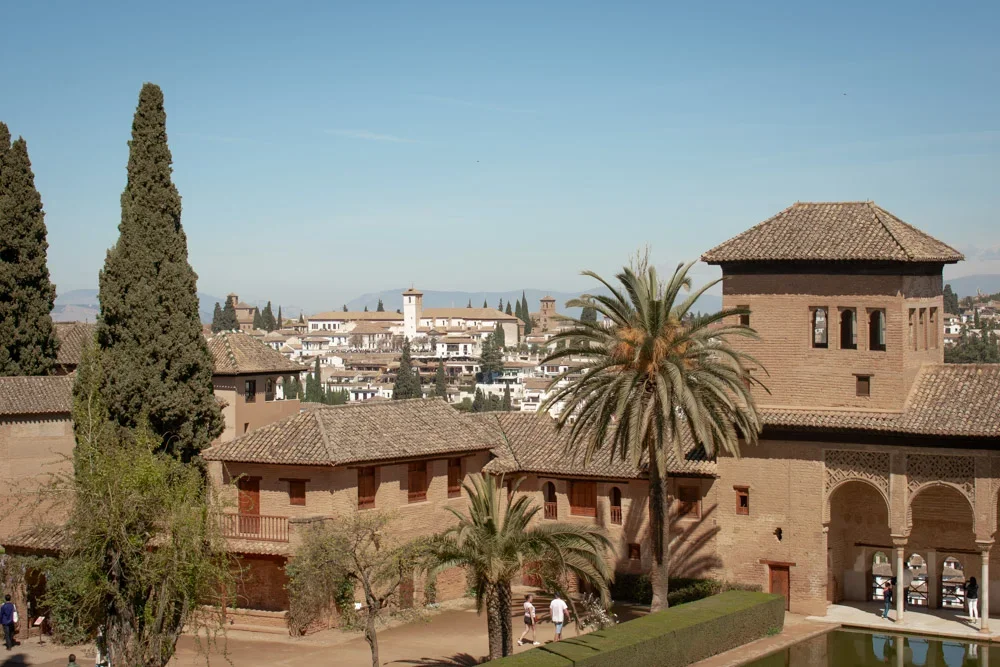
After exiting the Nasrid Palaces, you’ll enter El Partal,a stunning garden area with a large reflecting pool used by Moorish royalty during the Alhambra’s golden age. This UNESCO World Heritage Site section served as a meeting point for nobility and offers breathtaking views of the Albayzín quarter.
The tranquil water mirrors the intricate architecture, creating one of the most photogenic spots in the entire complex.
Alcazaba Fortress
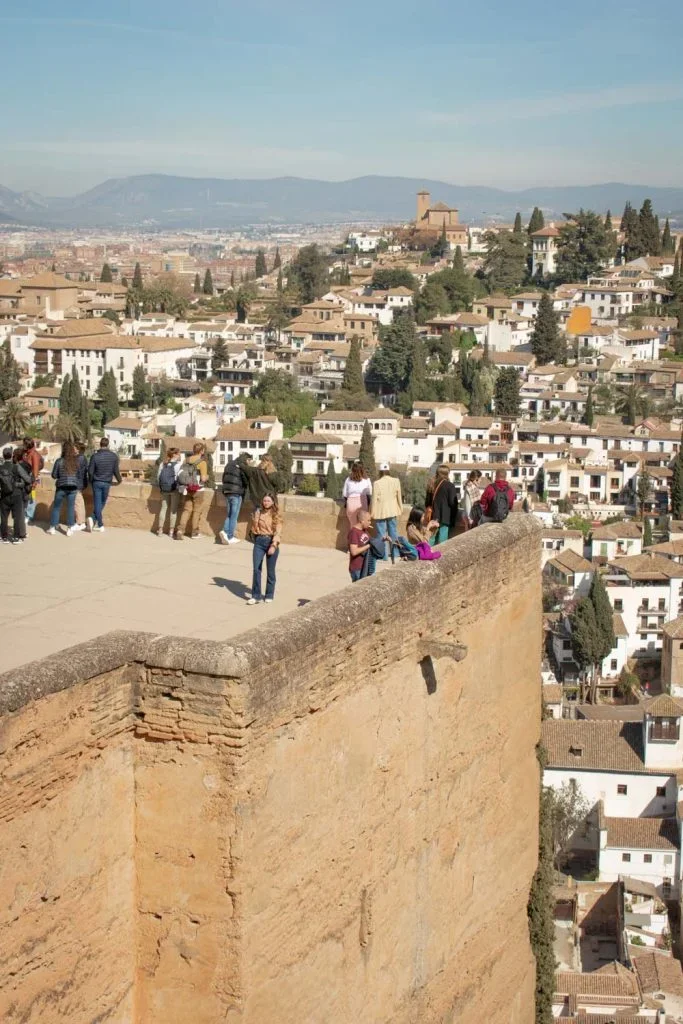
Though not part of the three main Alhambra tickets, the Alcazaba is an essential military fortress offering Granada’s most breathtaking panoramic views. This strategic stronghold from the era of the Spanish Christian monarchs features ancient towers and quiet gardens.
Climb the Torre de las Armas for an unforgettable vantage point over the city and the distant Sierra Nevada mountains. Visit right after the Nasrid Palaces but before El Partal to maximize your Alhambra experience without backtracking.
Generalife Palace: The Sultan’s Summer Retreat
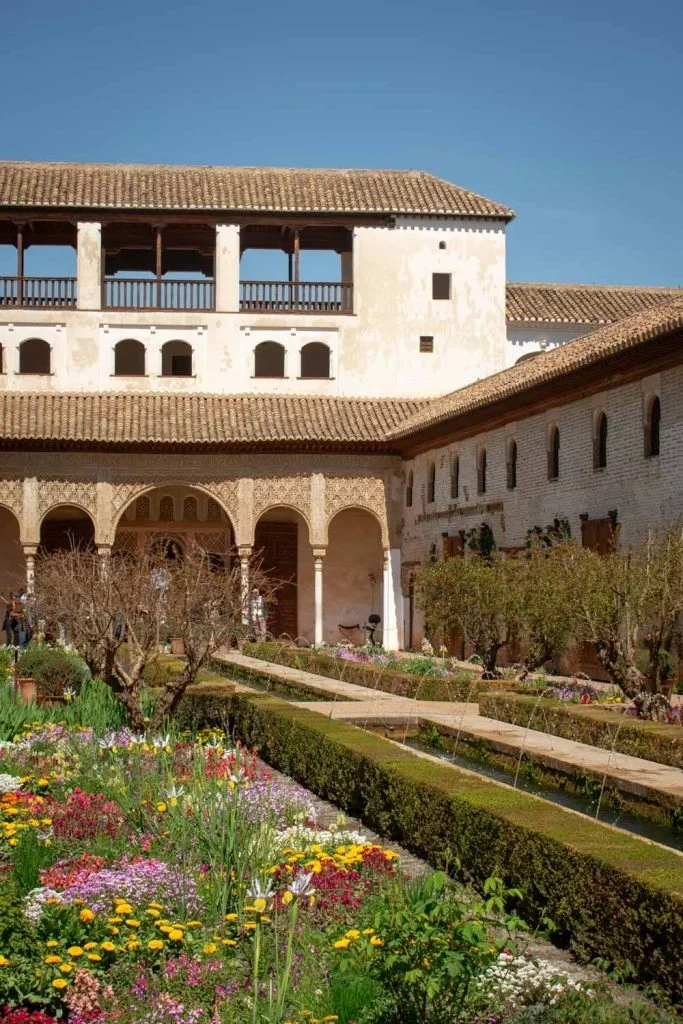
The Generalife Palace served as the summer residence for Moorish sultans, offering a refreshing escape from the main palace complex. Its terraced gardens showcase intricate Islamic water features, fragrant rose bushes, and stunning geometric tile patterns that demonstrate advanced Nasrid engineering.
After visiting the Nasrid Palaces, most visitors end their Alhambra tour here since it’s the furthest point. Exit directly from Generalife to avoid backtracking through El Partal – the walk downhill through the forest provides beautiful views of the Sierra Nevada mountains.
Mirador de San Nicolás Viewpoint
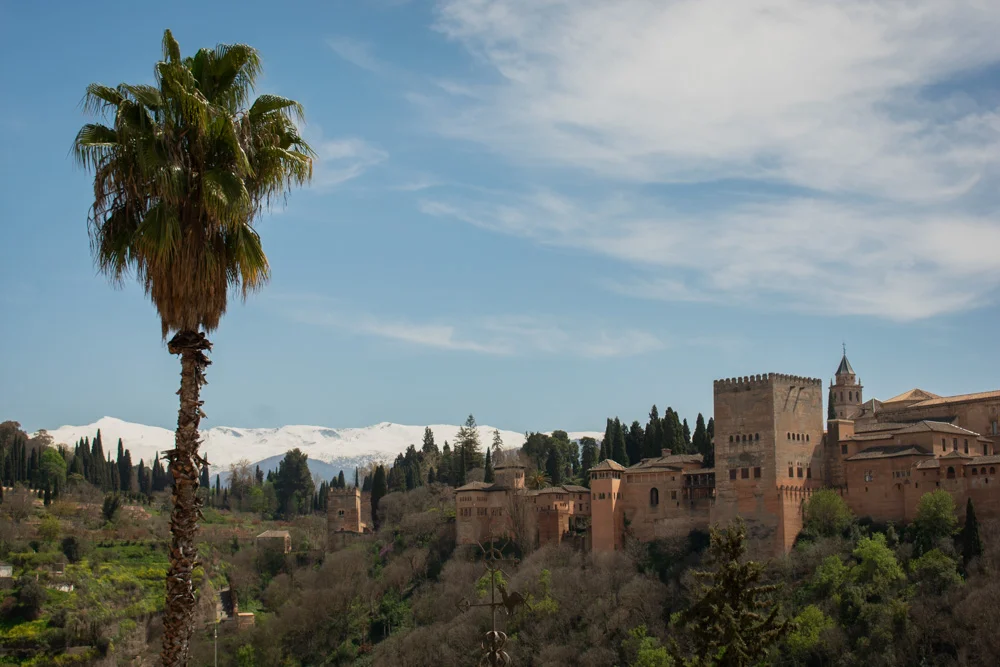
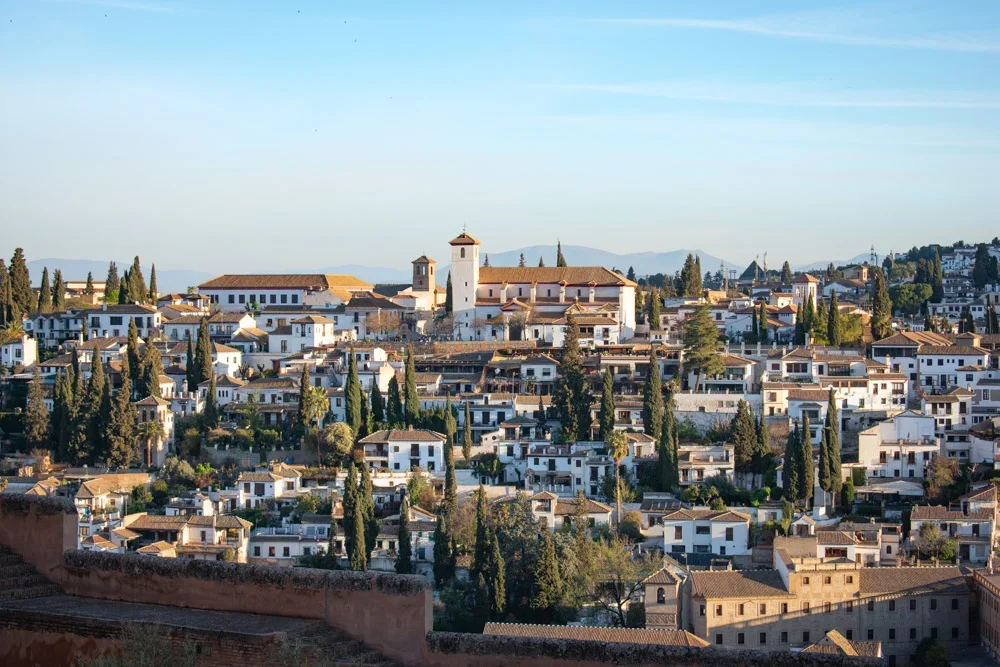
For the iconic Alhambra photo, head to Mirador de San Nicolás in Granada’s Albaicín quarter. This Moorish palace view from the church terrace is the city’s most famous panorama.
Arrive at sunrise to avoid the intense midday crowds that gather here. The golden light at dusk illuminates the Sierra Nevada mountains behind the fortress, creating an unforgettable Spanish landscape.
Mezquita Mayor de Granada: A Hidden Gem with Stunning Views
Discover a peaceful alternative to Granada’s crowded viewpoints at the Mezquita Mayor de Granada. Built in 2003, this main mosque sits right beside the Iglesia de San Nicolás and offers the same breathtaking panoramas of the Alhambra and Sierra Nevada mountains, but with far fewer visitors.
Its serene Andalusian garden provides a quiet moment of reflection away from the busy tourist trails. Note that the mosque closes midday like many Spanish attractions, so plan your visit for morning or late afternoon to enjoy its tranquil atmosphere and unmatched vistas.
Ermita San Miguel Alto Viewpoint
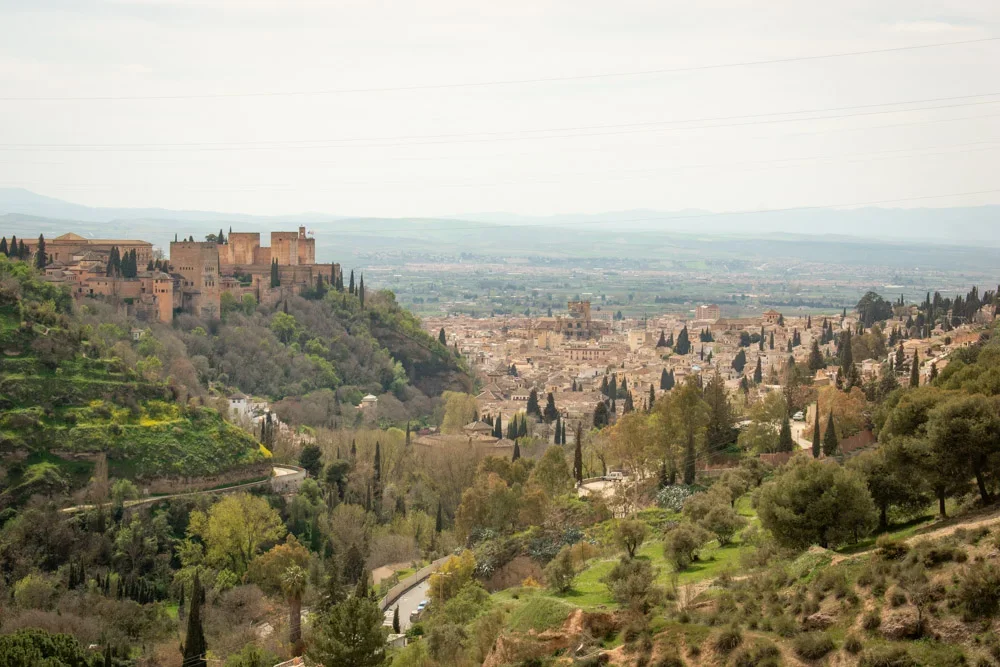
For the ultimate panoramic view of Granada, Spain, hike up to Ermita San Miguel Alto. This hilltop hermitage offers breathtaking views of the entire city, the majestic Alhambra palace complex, and the distant Sierra Nevada mountains.
The 30-minute walk through the historic Albaicín district is steep but rewarding – wear sturdy shoes and bring water. Alternatively, take a taxi up the winding roads.
Arrive before sunset with a picnic to secure a prime spot on the stone walls. Watching the sun dip behind the Moorish palace and Christian monuments is an unforgettable Granada experience.
The golden hour light transforms the entire city into a living postcard.
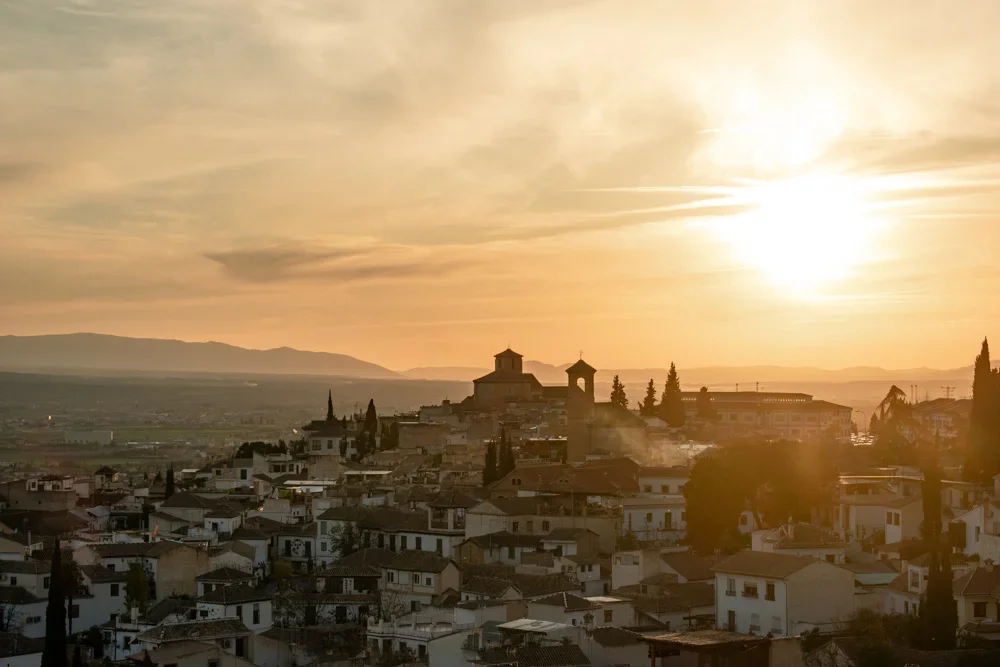
Carrera del Darro: A Romantic Riverside Walk
Stroll the cobblestone Carrera del Darro along the river for one of Granada’s most romantic walks. This historic path follows the Darro River beneath the Alhambra’s walls, offering stunning views of the Moorish palace and ancient bridges.
You’ll pass centuries-old buildings from the Reconquista era, feeling the cool river breeze and hearing water flow over stones.
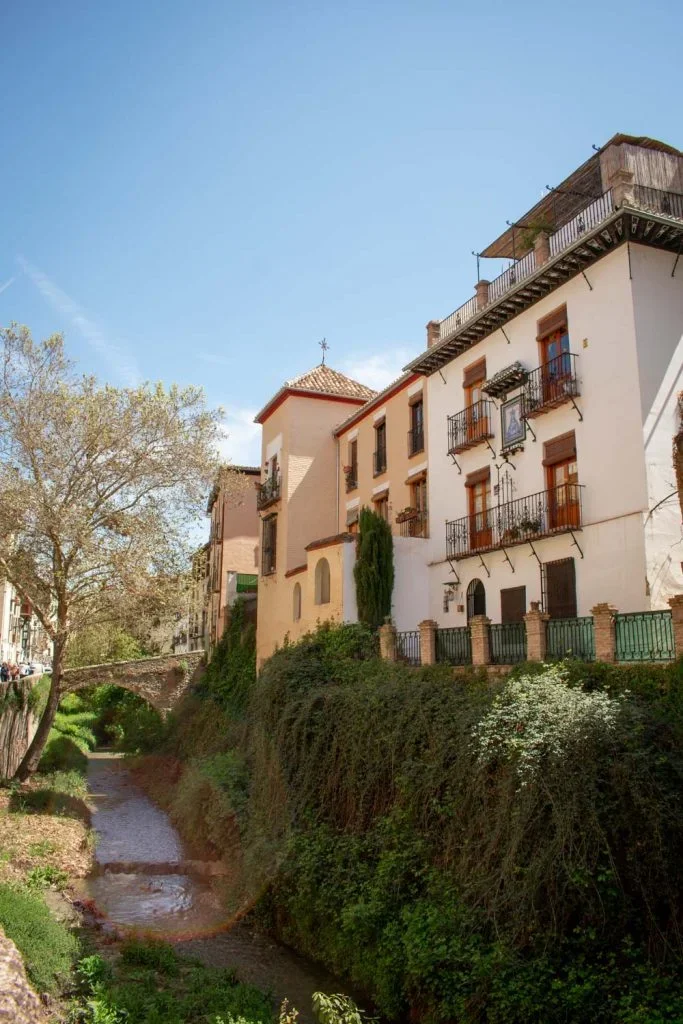
Paseo de los Tristes Walk
The Paseo de los Tristes runs along the Darro River, offering spectacular views of the Moorish palace, the Alhambra, towering above. This atmospheric walk connects directly to the historic Albaicín neighborhood and provides access to the Generalife gardens.
For the best experience, walk this route in the late afternoon when the golden light hits the ancient stone walls. The cobblestone path follows the river’s curve, with the sound of water adding to the peaceful ambiance beneath the Sierra Nevada mountains.
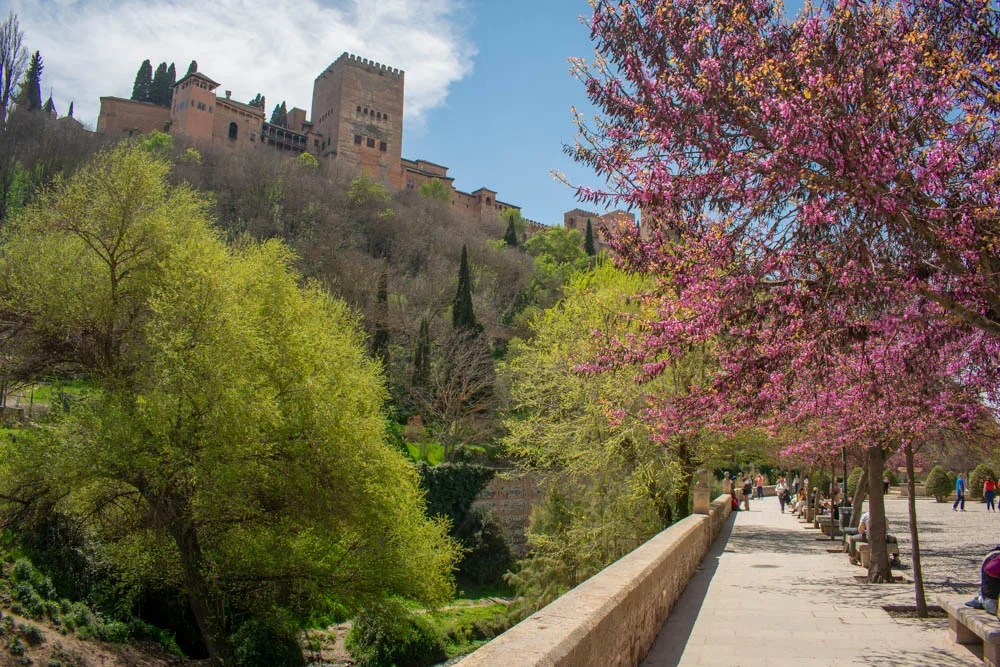
Albaicín: Granada’s Historic Moorish Quarter
The Albaicín (sometimes spelled Albayzín) is Granada’s historic Moorish quarter and a UNESCO World Heritage Site, offering one of the most authentic things to do in Granada Spain. This ancient neighborhood features winding cobblestone lanes and traditional whitewashed houses with the dramatic Sierra Nevada mountains as a backdrop.
Perched on the hill facing the Alhambra palace, it was the main residential area during Islamic rule before the Christian monarchs’ reconquest. The atmosphere here feels transported through centuries, with hidden plazas and stunning viewpoints around every corner.
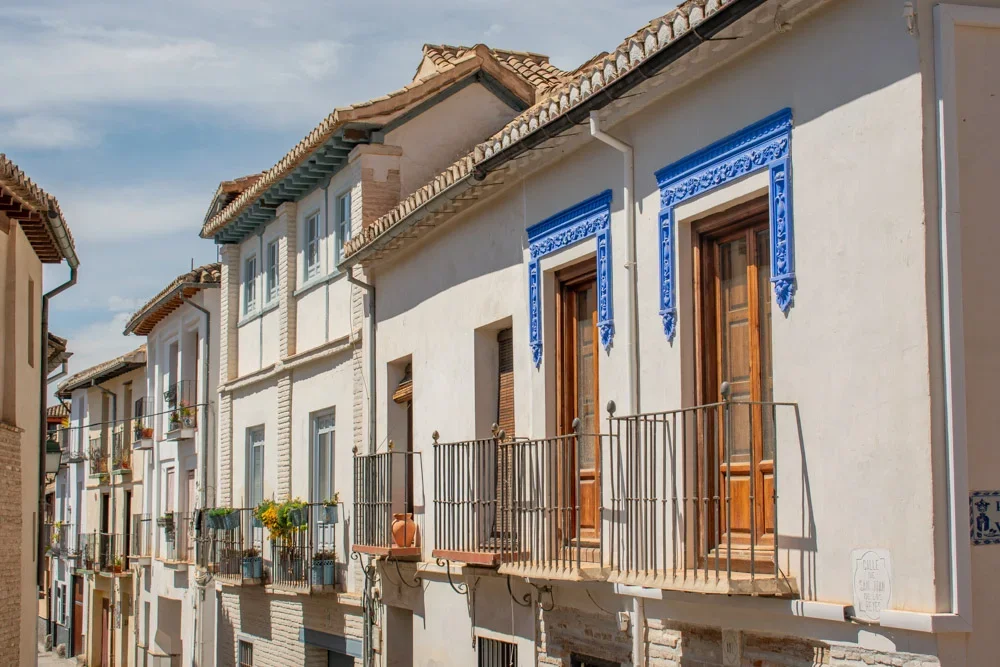
Exploring Calle Elvira and Calderería Nueva
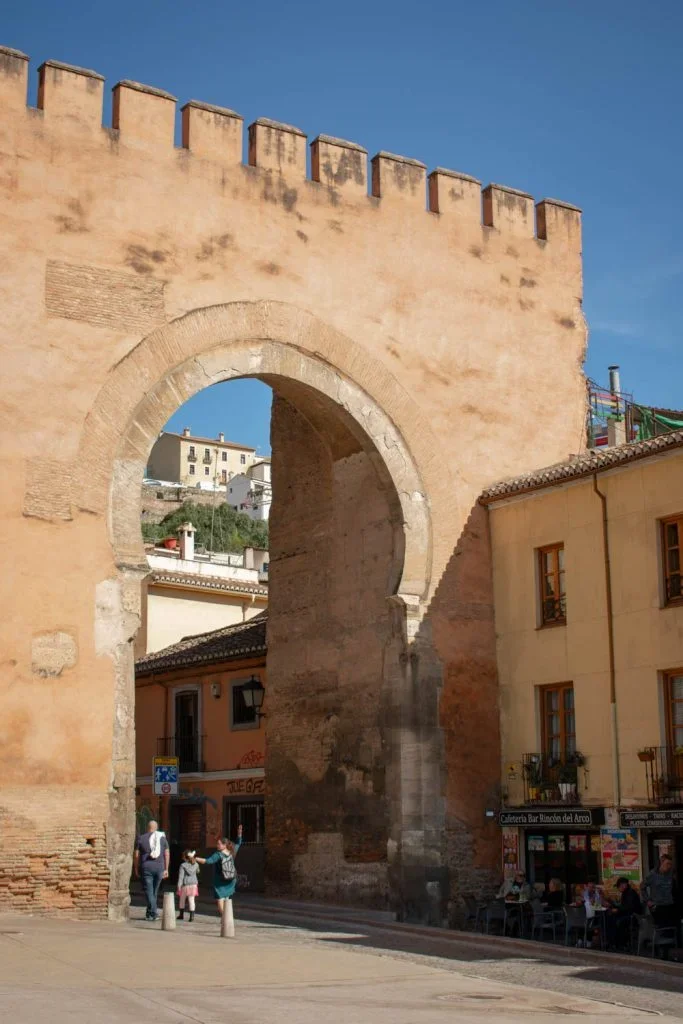
Wander the historic streets of Calle Elvira and Calderería Nueva at the base of the Albaicín hill for an authentic taste of Granada’s Moorish past. The narrow lanes are packed with traditional tea shops, artisanal craft stalls, and pastry vendors selling local sweets.
You’ll smell spiced tea and hear the buzz of bargaining,it truly feels like stepping into a Moroccan souk, a vibrant legacy of the city’s rich cultural fusion.
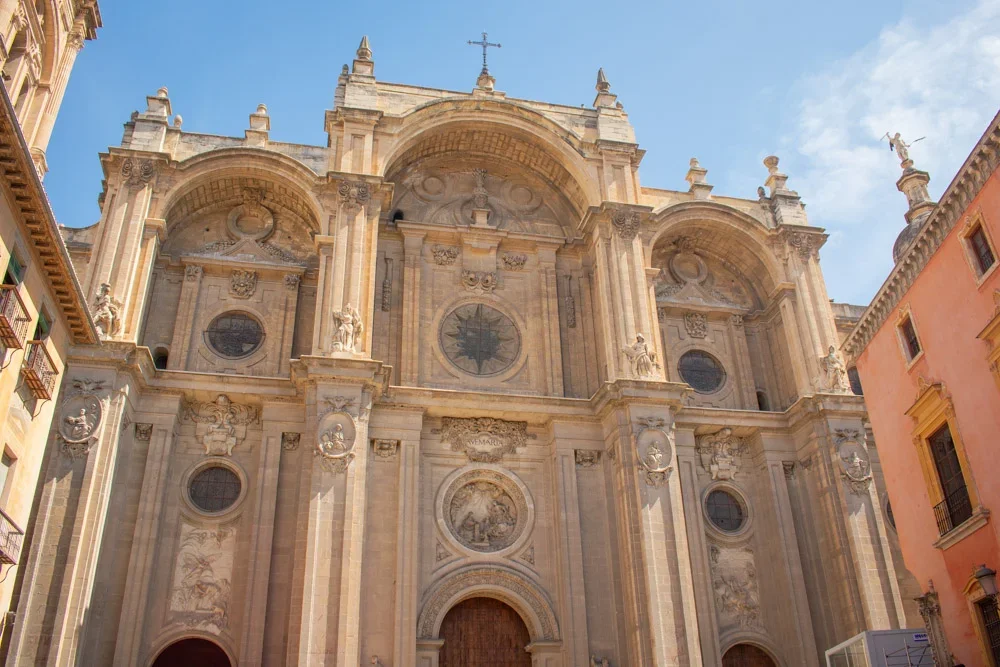
Granada Cathedral: Santa María de la Encarnación
The Catedral de Granada stands as a monumental symbol of the Spanish Reconquest, built directly atop the city’s former main mosque. Its construction was ordered by the Christian Monarchs after claiming the city, blending Gothic foundations with a stunning Renaissance facade.
The €5 entrance fee grants access to its soaring chapels and the royal chapel where Isabella and Ferdinand are entombed.
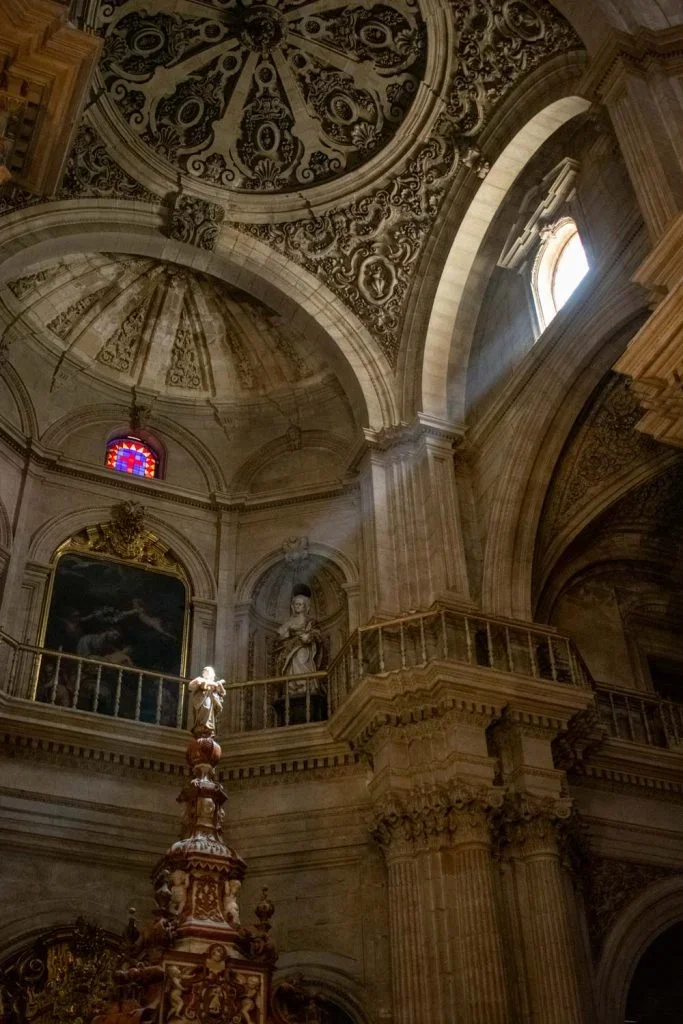
Royal Chapel of Granada
Located adjacent to Granada’s cathedral, the Royal Chapel houses the ornate marble tombs of Spain’s legendary Catholic Monarchs, King Ferdinand and Queen Isabella. These rulers completed the Reconquest of Spain from the Moors, unifying the country and launching its golden age.
The mausoleum’s Gothic architecture and royal artifacts offer a profound glimpse into Spanish history. Entry is €7, with tickets available online to skip queues.
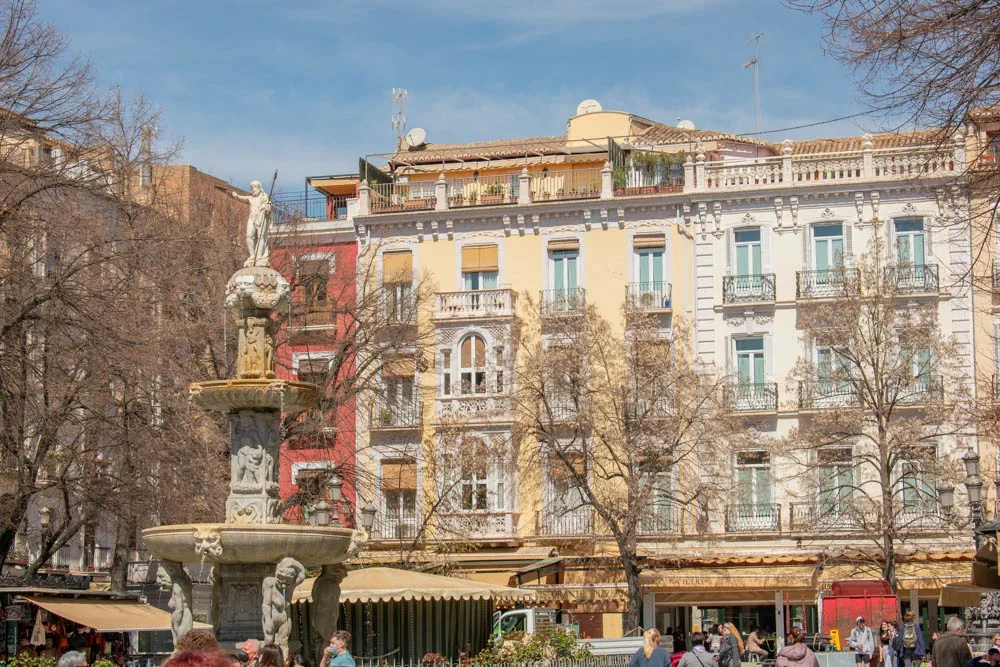
Plaza de Bib-Rambla: Granada’s Vibrant Heart
Plaza de Bib-Rambla serves as the bustling central square in Granada’s historic core. Wander through this lively space where locals gather beneath shady trees, and enjoy a coffee at outdoor cafes that capture the city’s authentic atmosphere.
The square’s Moorish name hints at Granada’s rich history, making it a perfect starting point for exploring the city’s UNESCO World Heritage sites.
Exploring the Alcaicería Bazaar
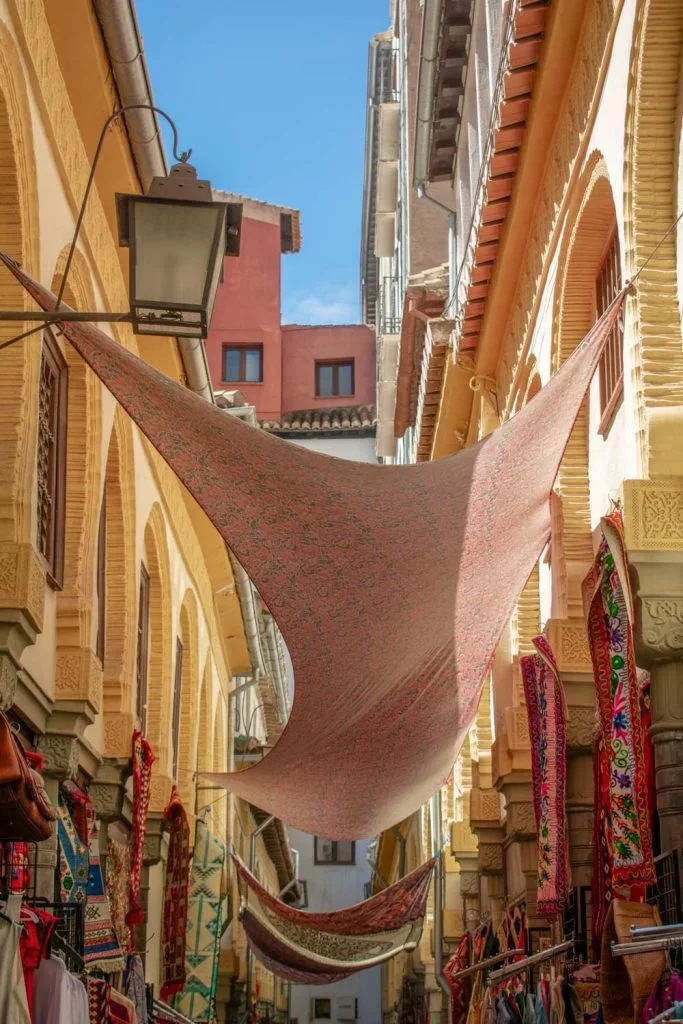
The Alcaicería is Granada’s historic Moorish silk market, a vibrant open-air bazaar that transports you back to the Islamic period. Located opposite where the city’s main mosque once stood (now the cathedral site), this UNESCO-recognized area was the commercial heart of the Nasrid dynasty.
Today, its narrow alleys overflow with authentic crafts,colorful silk shawls, intricate lamps, leather goods, and handcrafted jewelry that make perfect souvenirs.
Bañuelo: Granada’s Ancient Moorish Baths
Step back in time at Bañuelo, Granada’s only restored Moorish hammam dating to the 11th century. This remarkably preserved public bathhouse offers a rare glimpse into daily life during the Islamic rule of Spain.
For just €7.42, your ticket grants access to this UNESCO-adjacent site plus several other historic monuments. The cool, dimly lit chambers with their characteristic star-shaped ceiling vents feel worlds away from the modern city outside.
Book online in advance to secure your spot in this atmospheric relic from al-Andalus.
Basílica de San Juan de Dios
While Granada is best known for its Moorish palace, this stunning baroque church offers a glimpse into the city’s later Christian history.
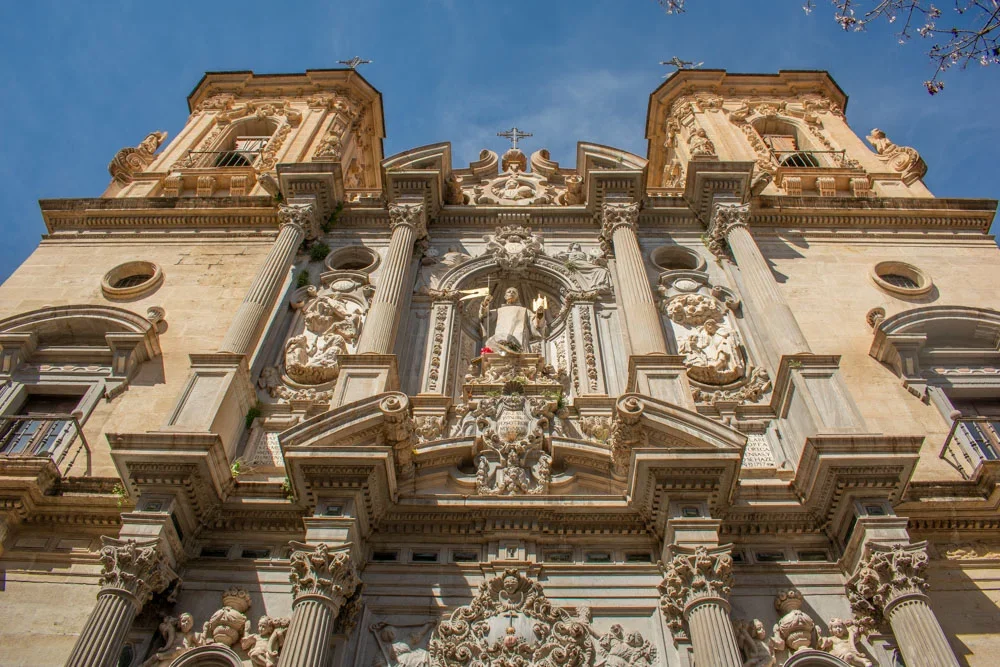
The ornate facade and tranquil courtyard are free to admire. For €10, you can enter to see the lavish gold-leaf interior and the tomb of Saint John of God, a key figure from the era of the Spanish Christian monarchs.
Purchase tickets online to skip the line.
Monasterio de San Jerónimo
This 16th-century monastery, built shortly after the Reconquest of Spain by the Catholic Monarchs, is a stunning example of Renaissance architecture. The serene courtyard, filled with fragrant orange trees, is worth the visit alone.
Entry tickets cost €7 and can be purchased on-site or booked online in advance to guarantee your spot.
Sacromonte Caves and Flamenco
Sacromonte is a historic Roma neighborhood bordering the Albaicín, famous for its traditional cave houses carved directly into the rock. Walk along Camino del Sacromonte to explore artisan shops and authentic cave restaurants.
At night, experience La Zambra,an intense, raw form of flamenco dancing and singing that originated here, performed in the intimate cave venues. This cultural tradition connects directly to the area’s deep Gypsy heritage and offers a powerful glimpse into Granada’s living history.
Sacromonte Abbey
For spectacular panoramic views over Granada’s main hills and the Sierra Nevada mountains, hike the Camino del Sacromonte to reach this historic abbey. The uphill walk rewards you with breathtaking perspectives of the city’s Moorish and Christian landmarks.
Note that the abbey interior may be under restoration (as it was during my visit), so prioritize this trek if you have extra time or specifically want to see the religious artifacts. The peaceful atmosphere and photo opportunities make the journey worthwhile even without entering.
Savor the Sweet Side of Granada
No visit to Granada is complete without tasting piononos, the city’s signature pastry. These sweet, spiral cakes soaked in syrup are a direct culinary legacy from its Moorish past.
Skip the tourist traps and head to authentic local bakeries like Panadería María for the best version. The texture is perfectly moist, not soggy, with a delicate balance of cinnamon and sweet syrup that captures the essence of Andalusian flavor.