

Honest Bali Beach Reality Check
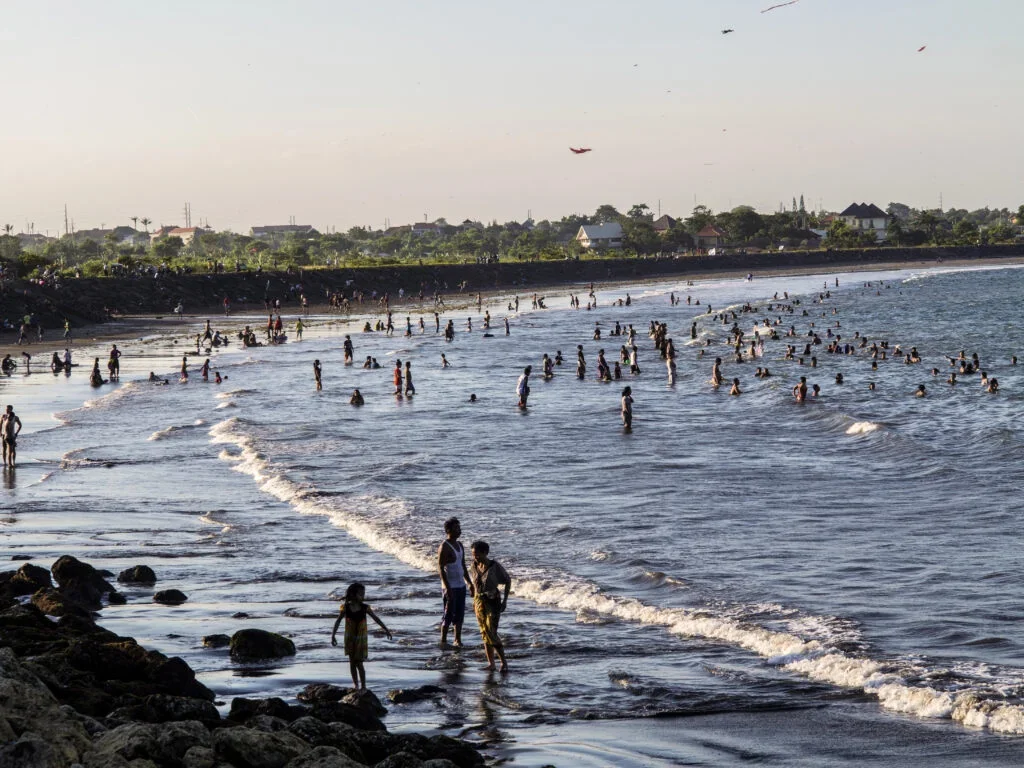
Bali’s beaches are a major draw for travelers, but they often differ from the untouched paradise many imagine. While the island offers incredible sunsets and vibrant energy, the reality of its coastlines involves darker volcanic sand, significant crowds, and occasional plastic pollution from overtourism.
Your first glimpse of a main beach like Kuta or Seminyak can be a shock,expect a bustling, energetic scene rather than a secluded escape. The sand is dark gray from volcanic origins, not the bright white seen in brochures, and during peak season, finding a quiet spot can be challenging.
For the clearest water and cleaner sands, head south to areas like Nusa Dua or the hidden coves near Padang Padang, though even these popular surfing spots get busy.
If your dream vacation hinges on pristine, deserted shores, consider pairing your Bali travel guide with trips to the Gili Islands or Lombok for that classic paradise feel. Bali’s strength is its cultural depth and convenience for digital nomads, not its untouched coastlines.
Navigating Bali’s Traffic Realities
Bali’s traffic congestion in popular areas like Canggu, Seminyak, and Kuta is a significant challenge that can disrupt your travel plans. I’ve personally experienced journeys that should take 10 minutes stretching into over an hour during peak times.
This is largely due to the island’s rapid growth in tourism and digital nomad populations, overwhelming infrastructure originally designed for rural pathways between rice fields.
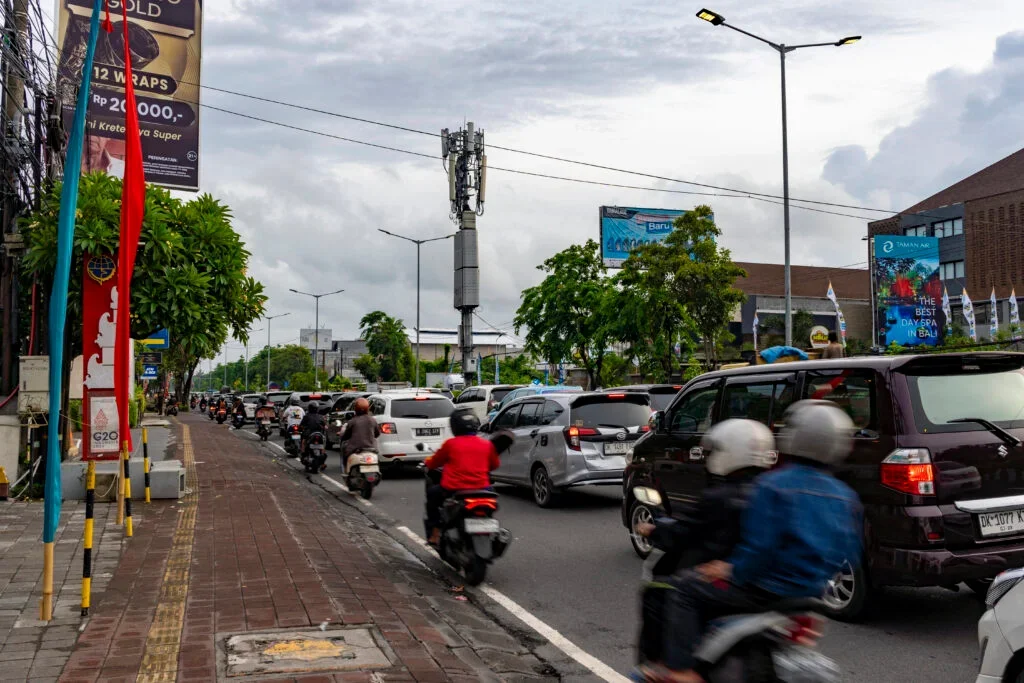
The road network consists of countless narrow lanes that frequently dead-end, creating natural bottlenecks. These conditions make motorbikes the most practical transportation option for navigating tight spaces.
However, authorities have tightened regulations after numerous accidents involving tourists – you must carry an International Driving Permit with motorcycle endorsement to rent legally. While traffic is intense around southern hubs and Denpasar airport, many quieter northern and eastern regions remain relatively congestion-free for those seeking to escape overtourism.
Navigating Overtourism in Bali’s Most Popular Spots
Bali’s reputation as a spiritual paradise sometimes clashes with the reality of its crowded hotspots. Since reopening post-pandemic, overtourism has intensified in specific zones where most visitors concentrate.
Areas like Ubud, Canggu, Seminyak, and Kuta now experience year-round crowds that rival major European tourist cities.
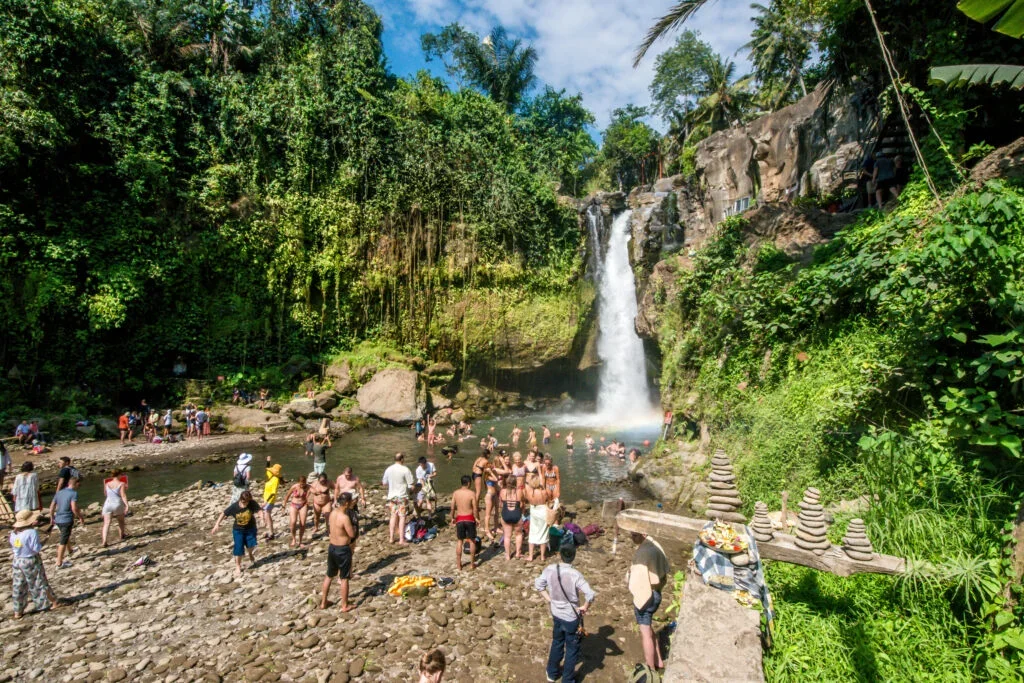
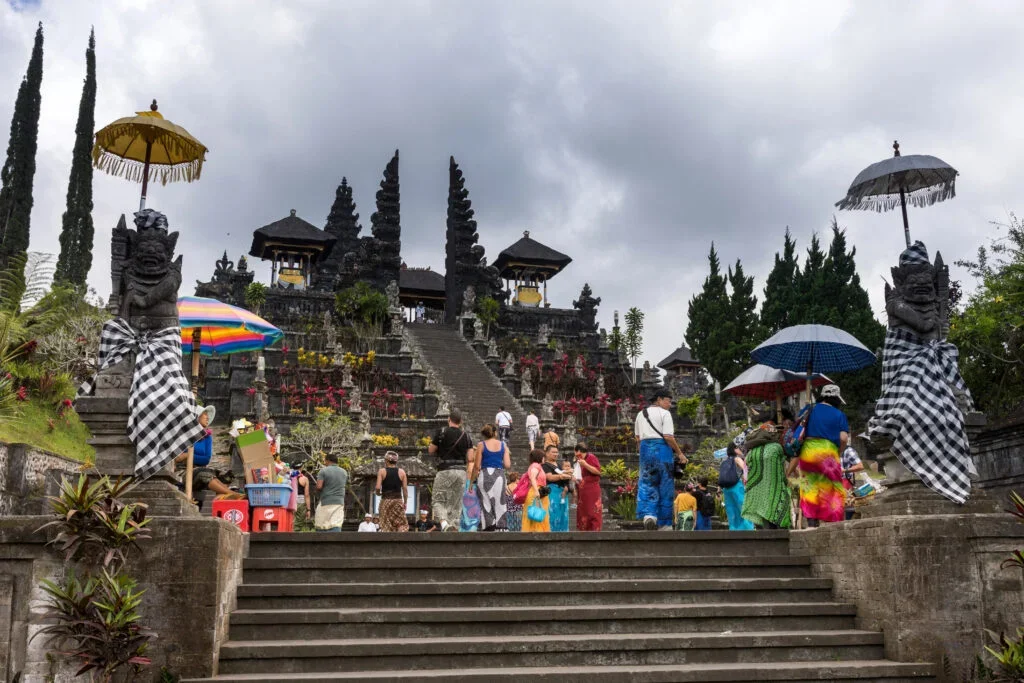
Iconic cultural sites suffer the most from this influx. The sacred Ulun Danu Beratan Temple and Pura Tirta Empul, once peaceful spiritual centers, now often have more tourists than local worshippers.
The famous Tegallalang rice terraces and Mount Batur sunrise hikes remain breathtaking, but you’ll share these experiences with hundreds of others.
Fortunately, Bali offers plenty of alternatives for travelers seeking authentic cultural experiences away from the crowds. The eastern coast around Amed provides stunning black sand beaches and world-class diving with fraction of the visitors.
Inland, the Sideman Valley offers lush rice terraces without the tourist buses, while Munduk in the northern highlands delivers waterfall hikes and coffee plantations in near solitude. Digital nomads and surfers are increasingly discovering these less-crowded regions for their better work-life balance and uncrowded surfing spots.
Bali’s Diverse Regions: Finding Your Perfect Vibe
Your Bali travel experience depends entirely on which region you choose to stay in – each offers a completely different atmosphere and set of opportunities.
Canggu has become the digital nomad capital, blending boutique cafes, co-working spaces, and surf breaks with a surprisingly authentic village feel beneath the surface traffic. You’ll find exceptional third-wave coffee shops alongside traditional warungs.
The Kuta/Seminyak corridor delivers non-stop energy with shopping malls, beach clubs, and international dining options catering to every taste. While experiencing some overtourism pressures, these areas remain gateway hubs with convenient access to everything.
Ubud provides a cultural sanctuary in the lush central hills, where yoga studios, traditional craft markets, and spiritual retreats thrive. The surrounding rice terraces and ancient temples offer authentic Balinese experiences beyond the main tourist strips.
For complete escape, East Bali’s Sidemen and Amed regions feature black sand beaches, world-class diving spots, and traditional villages untouched by mass tourism. The pace slows dramatically here.
North Bali around Munduk offers cool mountain air, stunning waterfalls, and volcanic landscapes for travelers seeking adventure and natural beauty away from the crowds.
Finding Authentic Bali Beyond the Crowds
The sheer scale of tourism has reshaped parts of Bali, making an entirely authentic experience something you must seek out rather than simply stumble upon. While the island’s deep cultural roots remain, the most popular areas have adapted to visitor demands, often at the cost of genuine tradition.
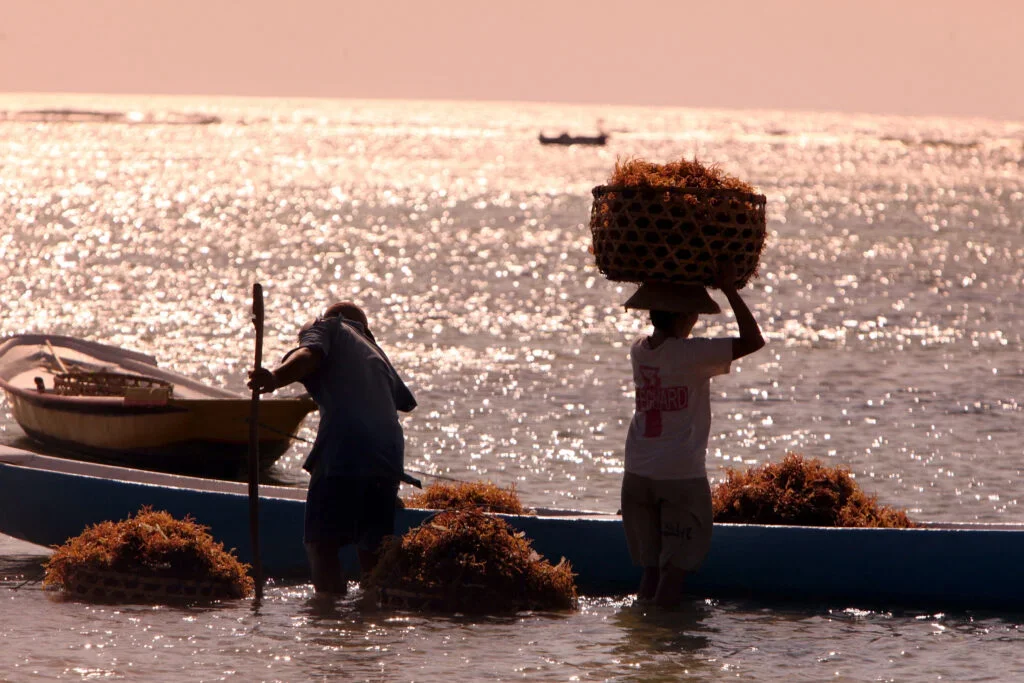
You can still witness incredible cultural experiences, like the hypnotic Kecak fire dance performed at Uluwatu Temple or explore ancient Hindu temples around Ubud. But be aware: many of these performances are now timed for tourist schedules and can feel more like a show than a sacred ritual.
The key is to look for smaller, village-based ceremonies that aren’t advertised on every hotel lobby poster.
In built-up areas like Seminyak and Canggu, you’ll find endless Western restaurants, cafes, and boutiques catering to digital nomads and long-term visitors. While convenient, this makes it startlingly easy to visit Bali without ever tasting true Balinese food.
I made a point to eat at local warungs (small family-owned eateries) every day,the difference in flavor and atmosphere is profound.
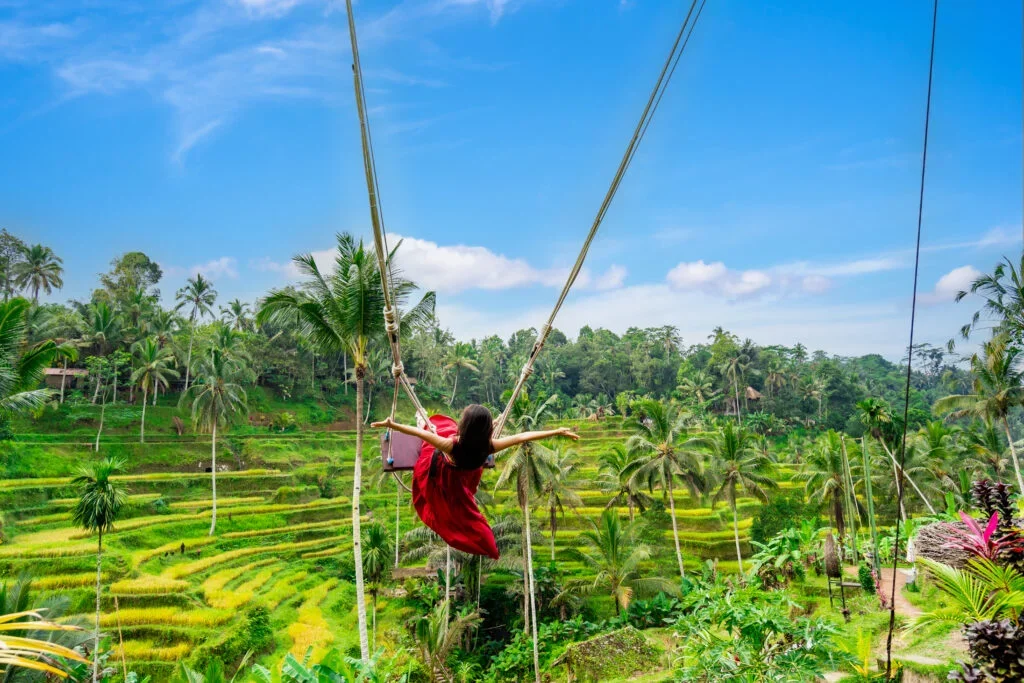
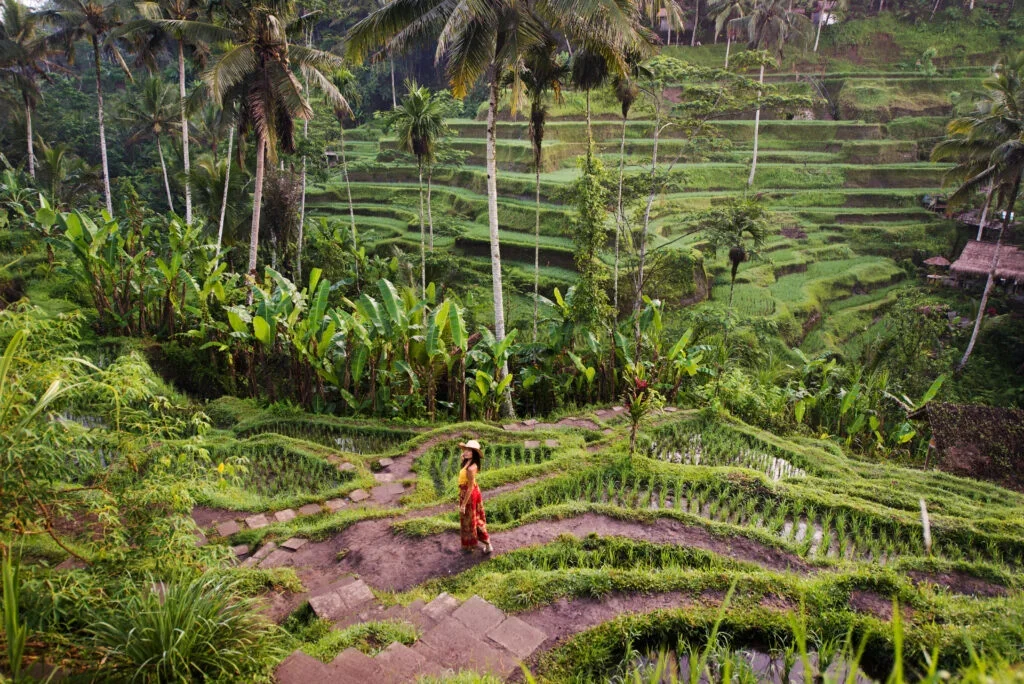
‘Instagram tourism’ is now a major force, with the best-selling tour on many platforms being a full-day Instagram highlights trip. What began as a single swing overlooking terraced rice fields has exploded into an industry of photo ops: rows of swings, rented flowing dresses, and professional photographers.
If curated travel photos are your goal, you’ll be in heaven. If you crave raw, un-staged moments, this manufactured version of Bali can feel disheartening.
Your best strategy for authenticity is to venture north. The further you travel from the south coast hotspots, the more you’ll connect with the island’s true rhythm and avoid the feeling of overtourism.
Bali on a Budget: Navigating Rising Costs
Planning a Bali travel guide for a shoestring budget requires realistic expectations. While still cheaper than many Western destinations, overtourism and growing popularity have steadily increased costs.
A daily budget of $25 now requires strategic planning, not the carefree spending of years past.
Your biggest expenses will be accommodation options in popular areas and Western-style dining. To stretch your funds, embrace these local strategies:
- Stay in guesthouses or homestays away from main tourist hubs like Seminyak
- Eat exclusively at local warungs (small family-run eateries) where meals cost $2-4
- Use ride-sharing apps instead of tourist taxis for transport
- Prioritize free cultural experiences like temple visits and beach days over paid tours
Digital nomads and long-term visitors often rent scooters monthly and cook some meals to save significantly. The key is trading convenience for authenticity,your budget dictates your experience.
Surfing spots like Canggu offer hostels, but beach clubs and international cuisine will quickly drain a tight wallet.
https://tastyfreshrecipes.com/wp-content/uploads/2026/04/bali-travel-guide-usat-liberty-wreck-dive-s7-i1.webp
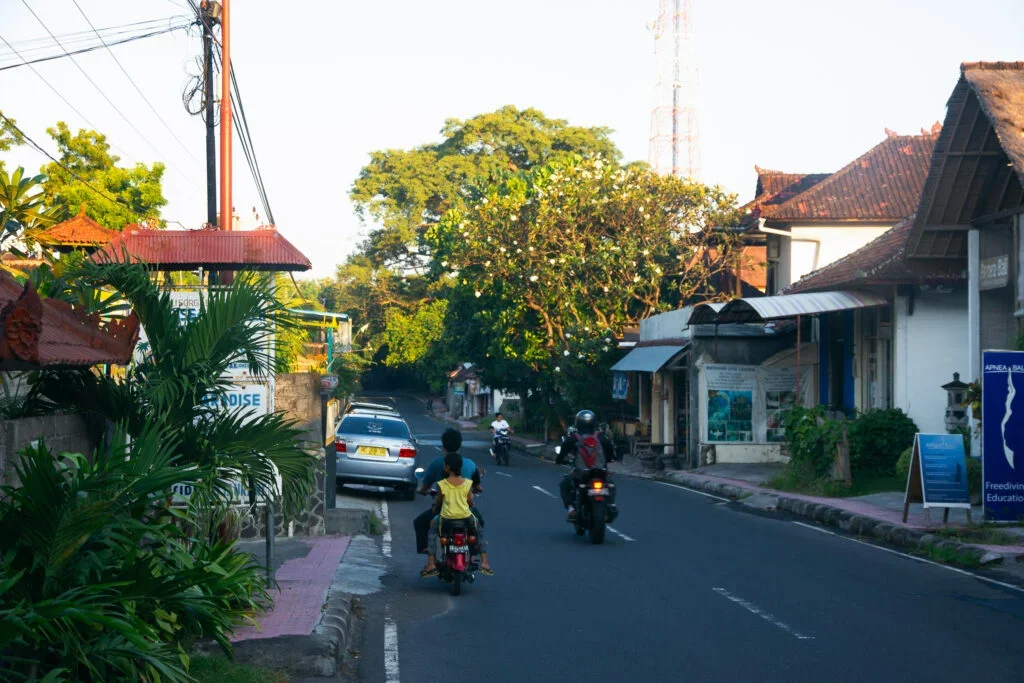
Adventure and Activities in Bali
For active travelers, a Bali travel guide reveals an island bursting with adventure far beyond the typical tourist trail. You can trade overtourism for genuine cultural experiences and adrenaline-pumping activities.
Explore ancient sea temples perched on cliffs or walk through the iconic, emerald-green Tegallalang Rice Terraces. The Sacred Monkey Forest in Ubud offers a unique jungle walk, while countless waterfalls like Tegenungan provide refreshing swimming holes.
For a deeper connection, join a cooking class with a local family to learn authentic Balinese recipes.
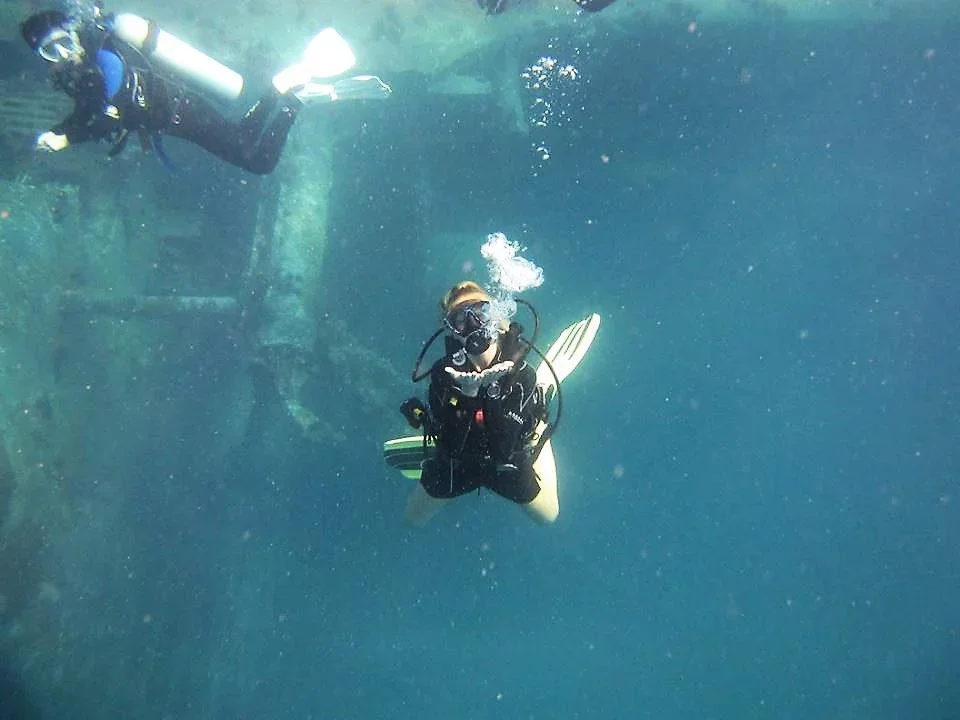
Thrill-seekers will find their paradise here. Rip through jungle mud on an ATV tour, navigate raging rivers while white water rafting, or discover vibrant coral reefs on a scuba dive.
The USAT Liberty wreck in Tulamben is a world-class dive site teeming with marine life.
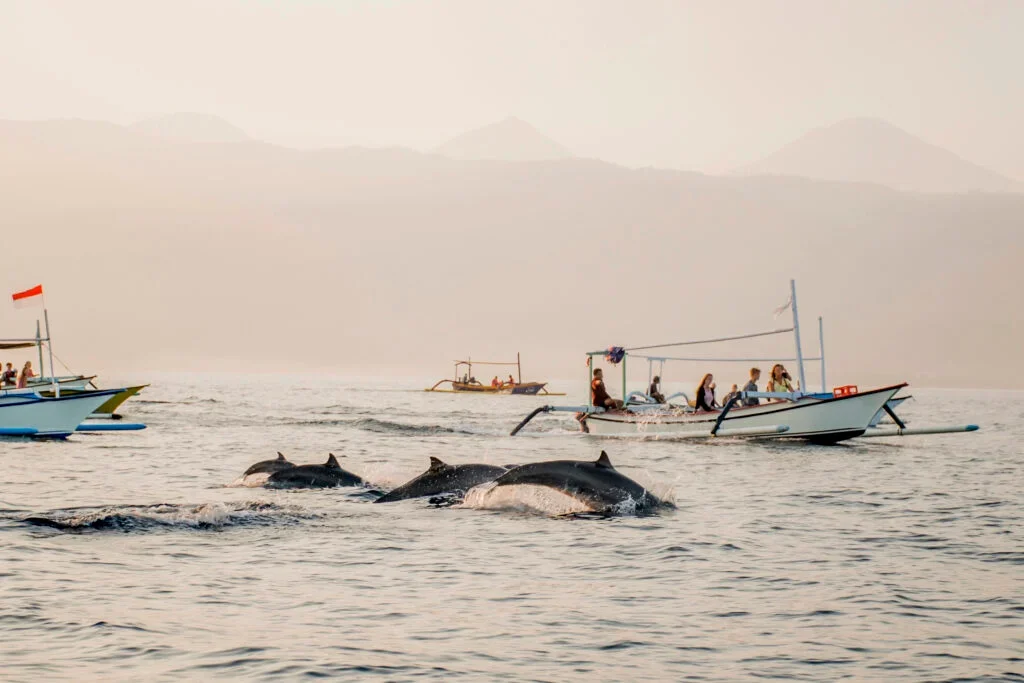
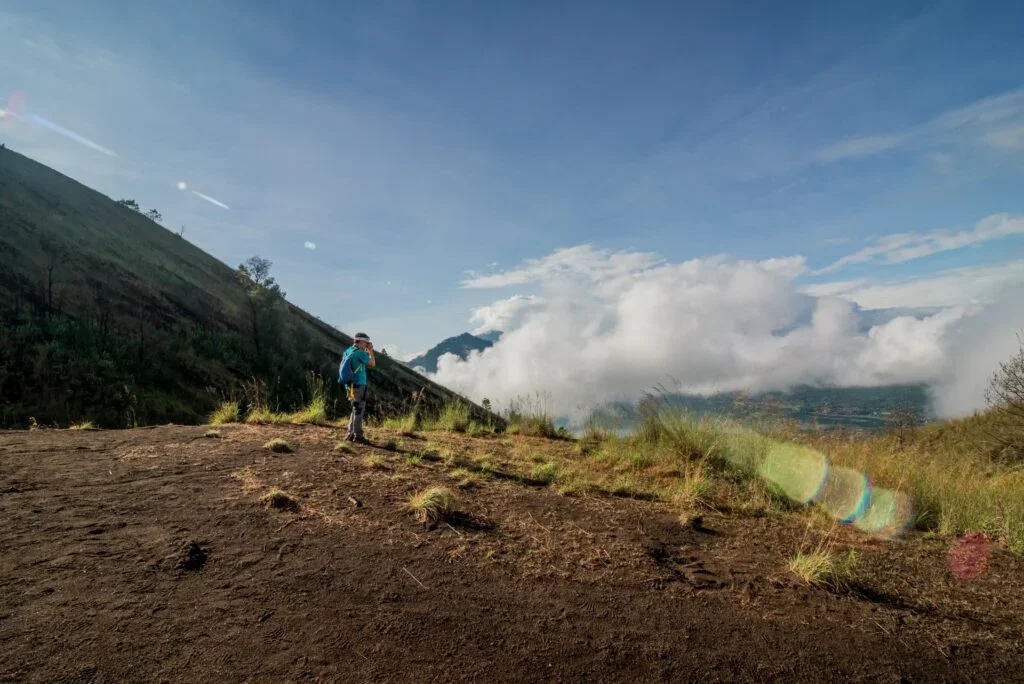
For a truly unforgettable sunrise, embark on the bucket-list hike up Mount Batur, an active volcano. The effort is rewarded with panoramic views and a chance to warm up in natural hot springs afterward.
Alternatively, take a jeep tour through the less-traveled backroads of Ubud’s rice fields for a different perspective.
The adventure doesn’t stop on the main island. A short boat ride opens up a whole new world.
The neighboring islands of Nusa Penida and Nusa Lembongan are perfect for day trips, famous for their dramatic cliffs and crystal-clear snorkeling spots. For a multi-day expedition, head to Lombok to trek the epic crater rim of Mount Rinjani, which offers a more rugged and remote experience than Bali’s peaks.
Top Bali Adventures & Cultural Tours:
- Ubud Sightseeing: A full day exploring waterfalls, lush rice terraces, and the famous Ubud Monkey Forest.
- ATV Quad Adventure: Off-road through Bali’s muddy jungle trails, tunnels, and a hidden waterfall.
- Mount Batur Volcano Hike: Summit an active volcano for sunrise views followed by a natural hot spring soak.
- Ubud Swing & Skyride: Soar over private rice terraces on a swing and skybike for epic photos.
- Balinese Cooking Class: Cook authentic dishes with a local family in their traditional compound for a deep cultural immersion.
Bali’s Digital Nomad Hub
Bali has become a global epicenter for remote workers, with Canggu leading as its digital nomad capital. The area overflows with high-speed internet cafes and modern co-working spaces designed for productivity.
You’ll notice laptops open everywhere, from beachfront warungs to specialty coffee shops buzzing with online entrepreneurs. This infrastructure makes Bali travel seamless for those blending work with paradise.

Top Surfing and Wellness Spots in Bali
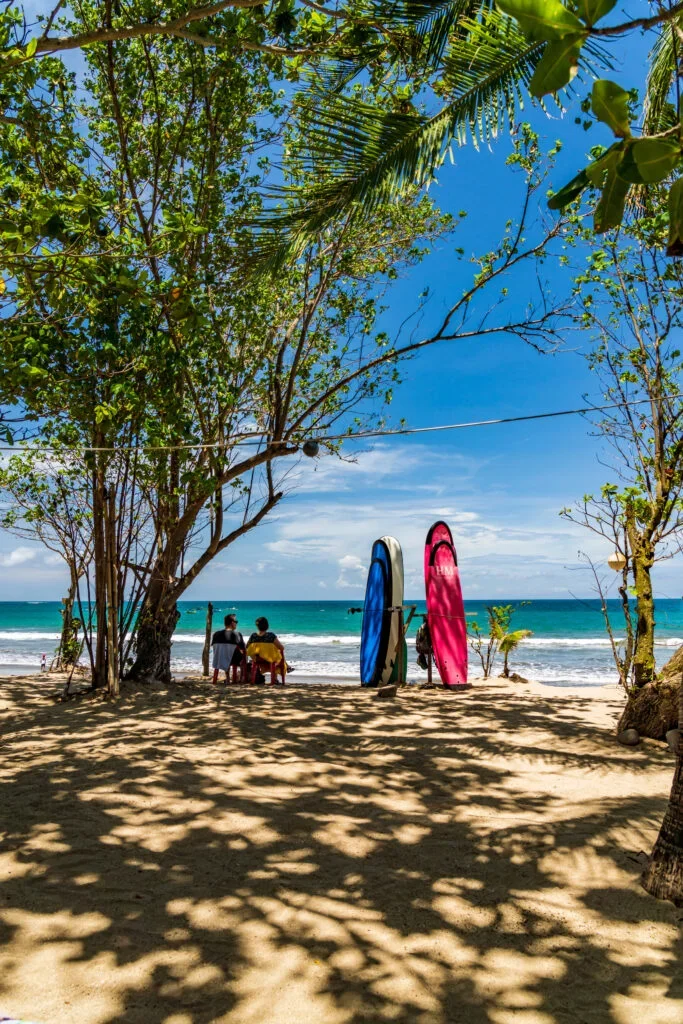
Your Bali travel guide isn’t complete without exploring its world-class surfing and wellness scene, which draws digital nomads and health-focused travelers alike. The island’s famous breaks offer something for every skill level, from gentle whitewater to challenging reef barrels.
Beginner surfers flock to Batu Bolong in Canggu for its consistent, forgiving waves and sandy bottom,perfect for first-timers. I found the vibe here incredibly supportive, with instructors patiently guiding newcomers through their first pop-ups.
More advanced riders often head south to Uluwatu’s Dreamland or seek out hidden gems like Green Bowl Beach to escape the crowds and find cleaner lines.
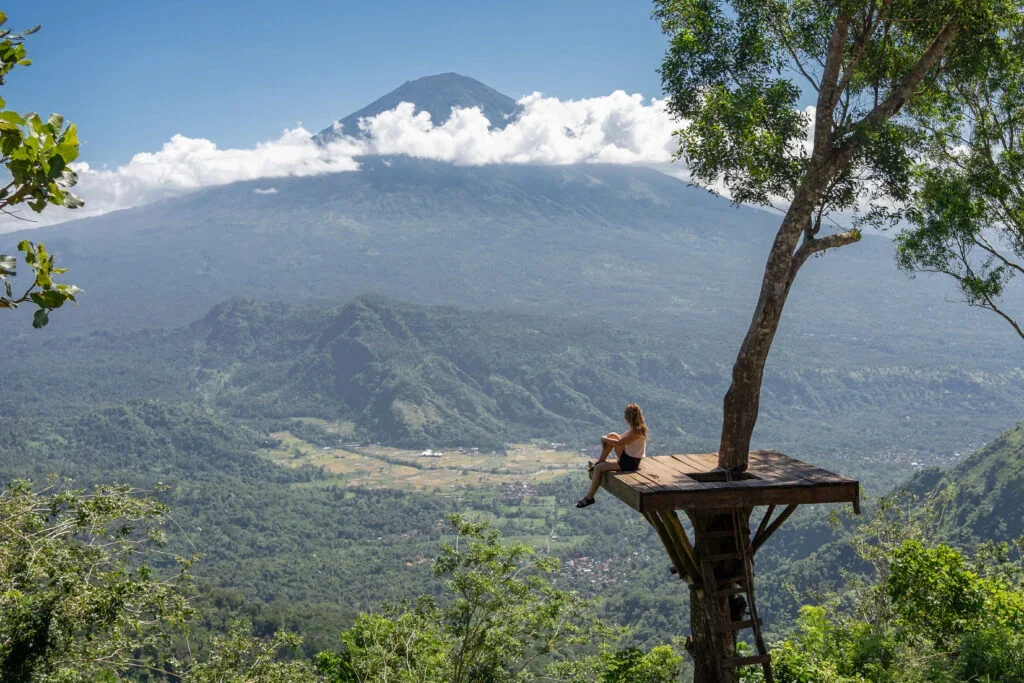
Beyond the waves, Bali’s spiritual energy makes it a global hub for yoga and meditation retreats. Ubud stands out as the heart of this movement, with dozens of studios offering daily classes amidst jungle settings.
The morning sessions I attended often included traditional Balinese blessings, creating an authentic cultural experience that typical tourist spots miss. Even outside Ubud, you’ll find wellness centers integrating local healing traditions with modern practices, providing deep relaxation after surf sessions.
Essential Bali Accommodation, Transport & Excursions
Finding the right base is your first step. Ubud offers authentic cultural experiences and spiritual retreats, though it does face challenges with overtourism.
Canggu is a hub for digital nomads and surfers, with a more modern, social vibe. Book your stay early, especially during peak season.
For island transport, use 12Go to easily book ferries and buses between islands. Within towns, ride-hailing apps like Grab and Gojek are essential for affordable car and scooter rides.
They are far more reliable than hailing a cab on the street.
Your adventure list is endless. Prioritize a sunrise volcano hike up Mount Batur, explore the iconic surfing spots, or go snorkeling with manta rays in Nusa Penida.
For a deeper dive, temple-hopping around Ubud provides unforgettable cultural experiences. Book small-group tours for a more personal touch.
Is Bali Worth Visiting? An Honest Traveler’s Take
No destination suits every traveler perfectly, and Bali is no exception. What sets this Indonesian island apart is its remarkable ability to cater to diverse travel styles,from digital nomads to surfers to culture seekers,though your experience depends heavily on where you stay.
Moving just beyond the most crowded tourist hubs immediately alleviates issues with overtourism while offering more authentic cultural experiences. You’ll trade some conveniences like abundant transport and restaurant options for quieter, more genuine moments.
As an adventurer, I often recommend lesser-known Indonesian gems like Flores or Sulawesi for raw authenticity. But Bali’s unique advantages,its compact size, established infrastructure, and incredible range of accommodation options from surf camps to luxury villas,make it an ideal base.
The key is embracing its vibrant chaos while knowing where to escape the crowds. I’ve learned that staying in areas like Sidemen or the northern coast provides the perfect balance of accessibility and serenity.


