
Ayutthaya travel blends ancient ruins, tasty street food, and hidden corners. Get itineraries and stay advice to plan your perfect visit now!
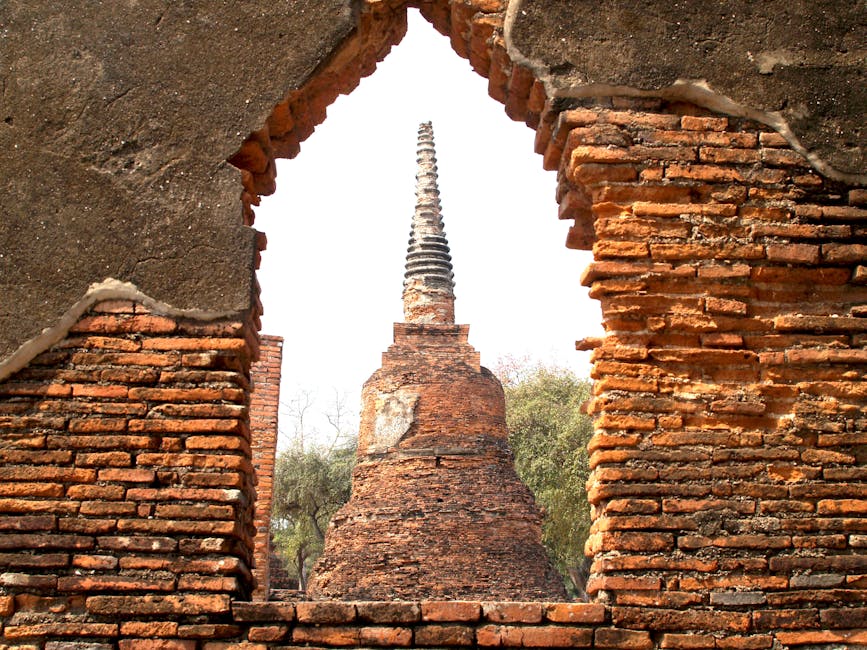
Photo by icon0 com on Pexels
Ayutthaya Travel Guide: History, Food & Hidden Gems
Ayutthaya Travel Guide: History, Food & Hidden Gems
Ayutthaya travel is a doorway to Thailand’s golden age, where crumbling stone walls whisper stories of former kingdoms while bustling markets serve up flavors you won’t find anywhere else. Whether you’re a history buff, a foodie, or a solo adventurer, this guide equips you with everything you need to explore the UNESCO‑listed ruins, savor local dishes, and uncover hidden corners that most tourists miss.
Contents
- Why Visit Ayutthaya? – Ayutthaya travel
- How to Get to Ayutthaya from Bangkok
- Best Time to Visit Ayutthaya – Ayutthaya travel
- Top Temples and Historical Sites
- Sample 1-Day and 2-Day Itineraries
- Where to Stay in Ayutthaya
- Where to Eat: Local Food Guide
- Transportation Tips: Getting Around Ayutthaya
- Photography Tips for the Best Shots
- Practical Tips for Your Visit
- Frequently Asked Questions
Introduction
Stepping into Ayutthaya feels like opening a living museum. The city’s skyline is dotted with Buddha heads half‑emerged from tree roots, while riverboats glide past centuries‑old forts.
In this pillar, we’ll walk you through the why, when, and how of Ayutthaya travel, plus practical advice on lodging, dining, and capturing the perfect photo.
Ready to trade the modern bustle of Bangkok for a day,or two,of timeless charm? Let’s dive in.
Why Visit Ayutthaya? – Ayutthaya travel
Ayutthaya’s allure lies in its layered history. Founded in 1350, it was once the capital of Siam and a thriving hub of trade, art, and diplomacy.
The ruins tell a story of resilience: towering chedis, ornate Buddha statues, and the iconic Wat Mahathat where a tree‑wrapped head gazes eternally.
For solo travelers, the city feels intimate and safe. You can wander at your own pace, strike up conversations with locals, and discover quiet cafés tucked behind ancient walls.
Solo travel in Ayutthaya offers a unique blend of independence and cultural immersion that larger tourist hotspots can’t match.
How to Get to Ayutthaya from Bangkok
The most popular route is the train from Hua Lamphong Station. A second‑class ticket costs under 30 THB and takes about 1.5 hours, offering a scenic glimpse of the countryside.
For speed, the express train shortens the journey to just 80 minutes, while still keeping costs low.
If you prefer a door‑to‑door experience, book a private car or a minivan tour. These options leave Bangkok’s Khao San Road or Silom area early in the morning and drop you off near the historical park.
For a budget‑friendly day‑trip itinerary, see our Ayutthaya day‑trip guide that outlines train schedules, ticket tips, and must‑see stops along the way.
Best Time to Visit Ayutthaya – Ayutthaya travel
The cool season, from November through February, offers comfortable temperatures (mid‑20s °C) and low humidity,perfect for strolling among ruins without breaking a sweat. This period also coincides with several local festivals, such as Loy Krathong, when lanterns illuminate the riverbanks.
During the shoulder months of March and October, you’ll find fewer crowds and slightly lower accommodation rates, though you should be prepared for hotter afternoons. The rainy season (May‑September) brings lush greenery but can make outdoor exploration slippery, especially around the ancient moats.
Plan your visit around the cool season for the best combination of weather, cultural events, and photo opportunities.
Top Temples and Historical Sites
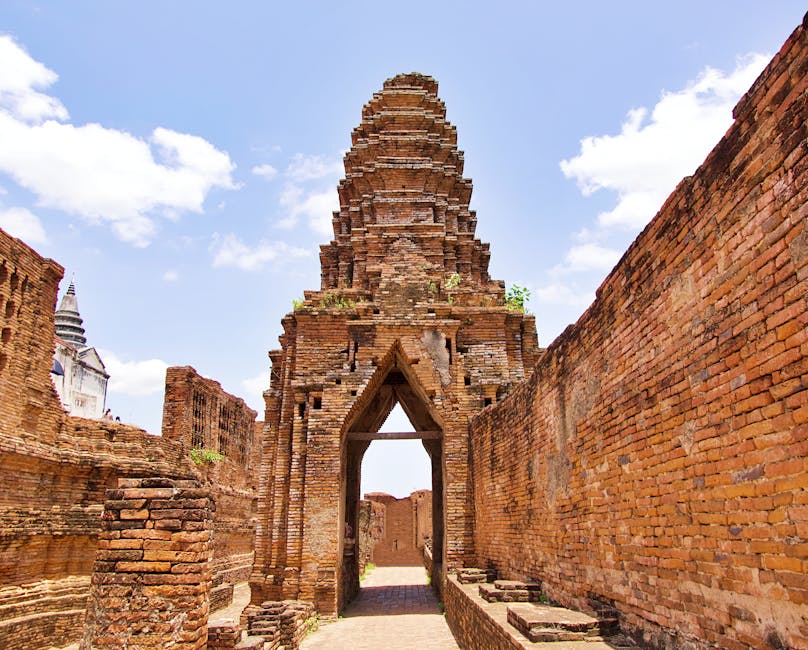
No visit to Ayutthaya is complete without exploring its iconic temples. Wat Mahathat, famous for the Buddha head entwined in tree roots, offers a hauntingly beautiful photo backdrop.
Just a short bike ride away, Wat Phra Si Sanphet,once the grandest royal temple,still showcases three towering chedis that dominate the skyline.
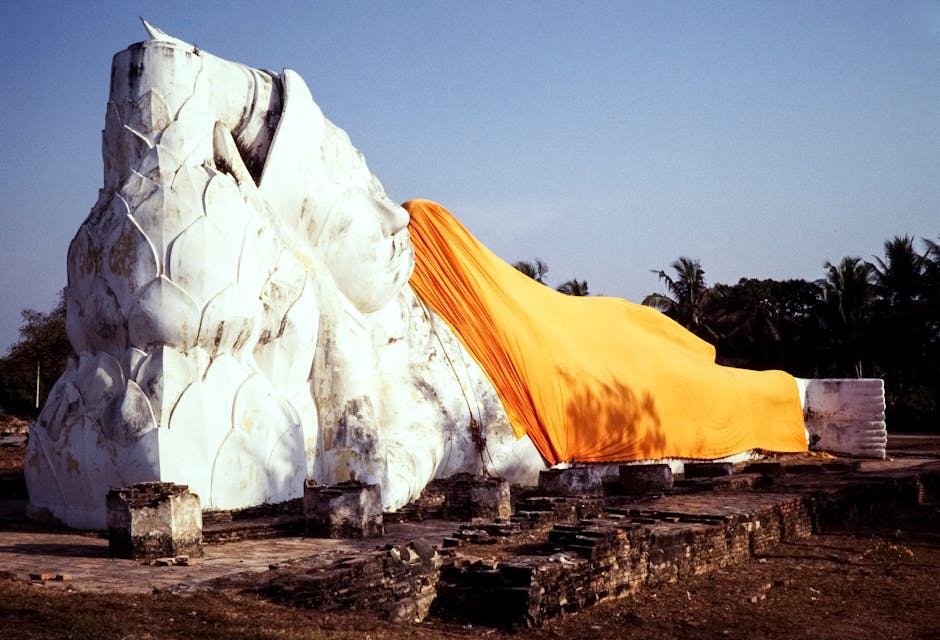
For a deeper dive into royal architecture, head to Wat Ratchaburana, where intricate stucco work narrates stories of past kings. If you crave a quieter spot, the ruins of Wat Lokayasutharam feature a massive reclining Buddha that feels almost surreal at sunset.
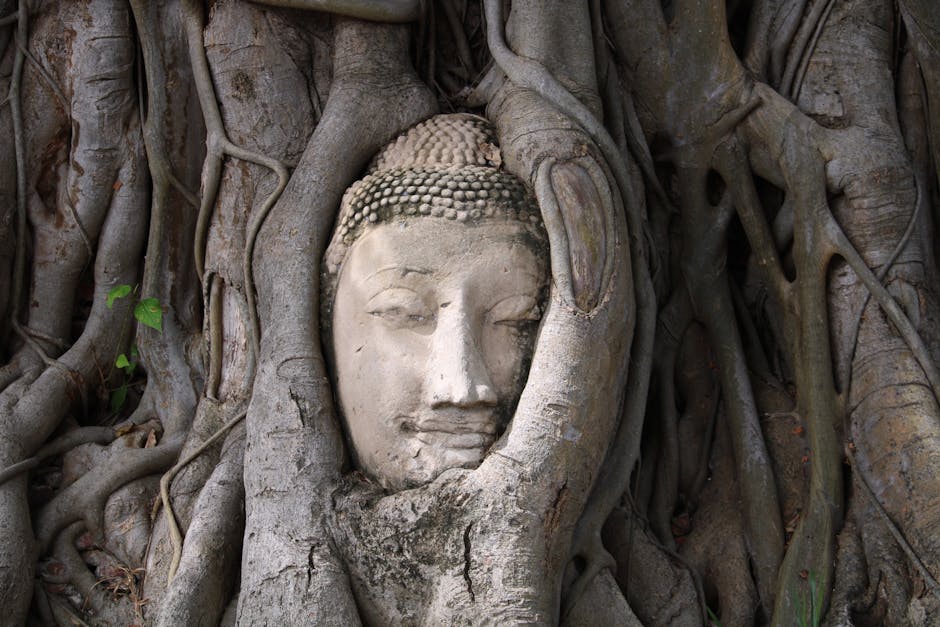
To learn more about each site’s history and the best times to visit, check out our comprehensive Ayutthaya temples guide. It includes maps, opening hours, and insider tips for avoiding the midday crowds.
Sample 1-Day and 2-Day Itineraries
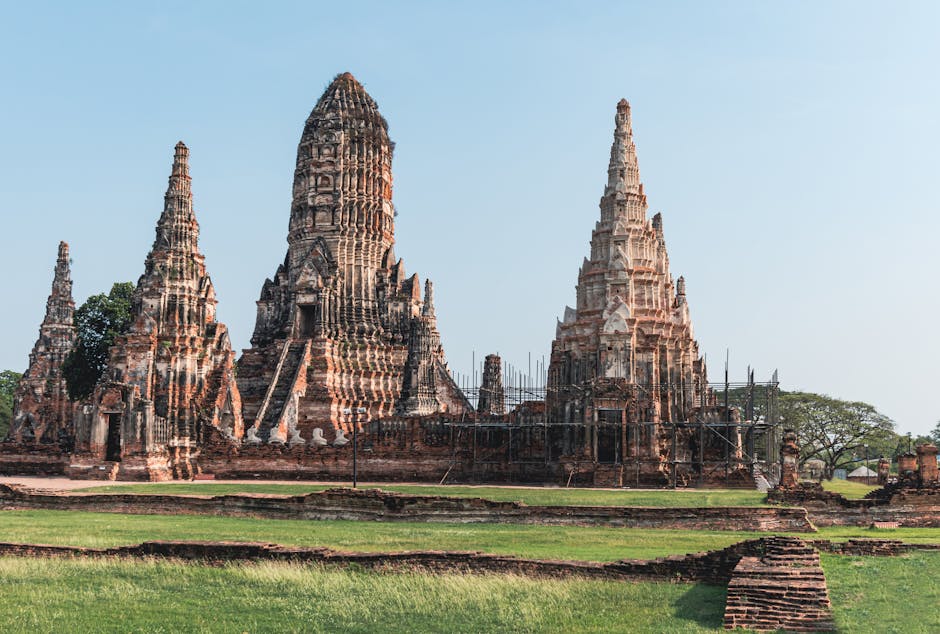
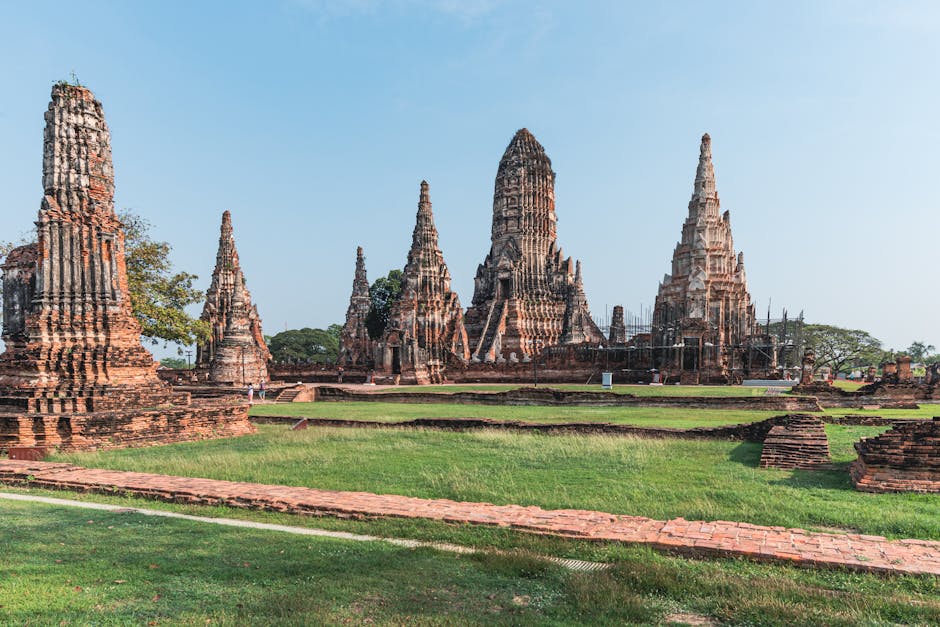
If you’re short on time, a one‑day itinerary can still capture Ayutthaya’s highlights. Start early with a sunrise bike ride to Wat Chaiwatthanaram, then head to Wat Mahathat for the iconic head‑in‑roots photo.
After a midday break at a riverside café, explore Wat Phra Si Sanphet and finish with a sunset boat cruise along the Chao Phraya.
For a more relaxed pace, spread the experience over two days. Day 1 mirrors the one‑day plan but adds a visit to the Ayutthaya Historical Study Centre, where interactive exhibits bring the city’s past to life.
Day 2 focuses on off‑the‑beaten‑path sites like Wat Phutthaisawan and the Bang Pa-In Summer Palace, followed by a leisurely lunch at a local market.
Both itineraries can be customized for families, solo travelers, or budget‑conscious explorers. Choose the version that fits your schedule and energy level.
Where to Stay in Ayutthaya
Ayutthaya offers a range of accommodations, from boutique riverside hotels to budget hostels tucked behind ancient walls. For a touch of luxury, the Sala Ayutthaya offers rooms with private balconies overlooking the river and easy access to the historical park.
Backpackers will feel at home at the Baan Are Gong Guesthouse, where dormitory beds sit under high‑ceilinged wooden beams and the staff can arrange bike rentals. Mid‑range travelers might opt for the Krungsri River Resort, which blends modern comforts with traditional Thai décor.
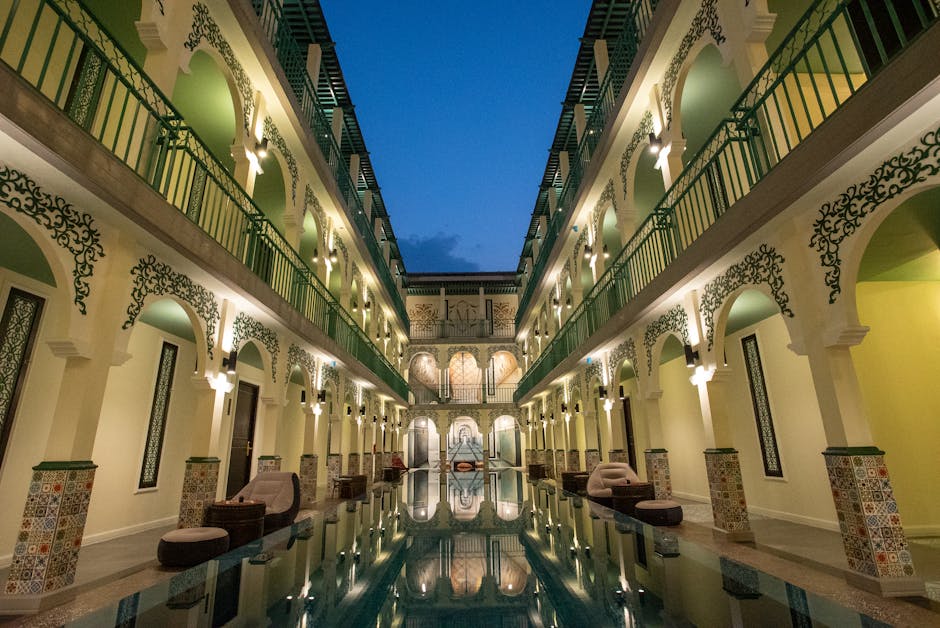
All these options are within a short tuk‑tuk ride of the main attractions, making it simple to return for sunset shots or a late‑night snack.
Where to Eat: Local Food Guide
Ayutthaya’s culinary scene is a delicious blend of river‑fresh seafood, spicy salads, and sweet desserts. Start your day with a bowl of “boat noodle soup” (kuay teow ruea) at a stall near the market,its broth is fragrant with lemongrass and kaffir lime.
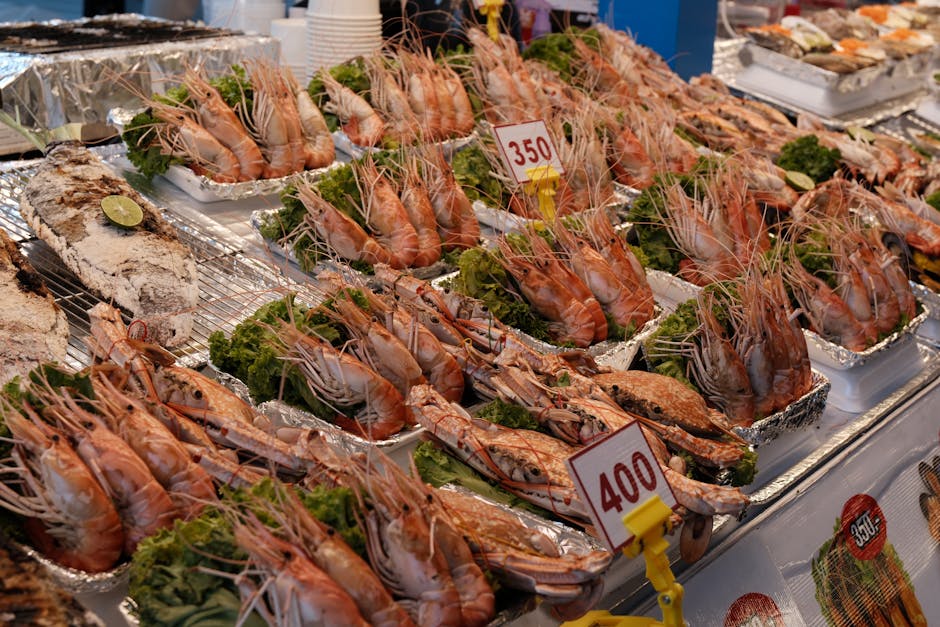
For lunch, try the famous “roasted river prawns” at a family‑run eatery that’s been serving locals for generations. Don’t miss the mango sticky rice from a street vendor who tops each serving with a drizzle of coconut cream and toasted sesame seeds.
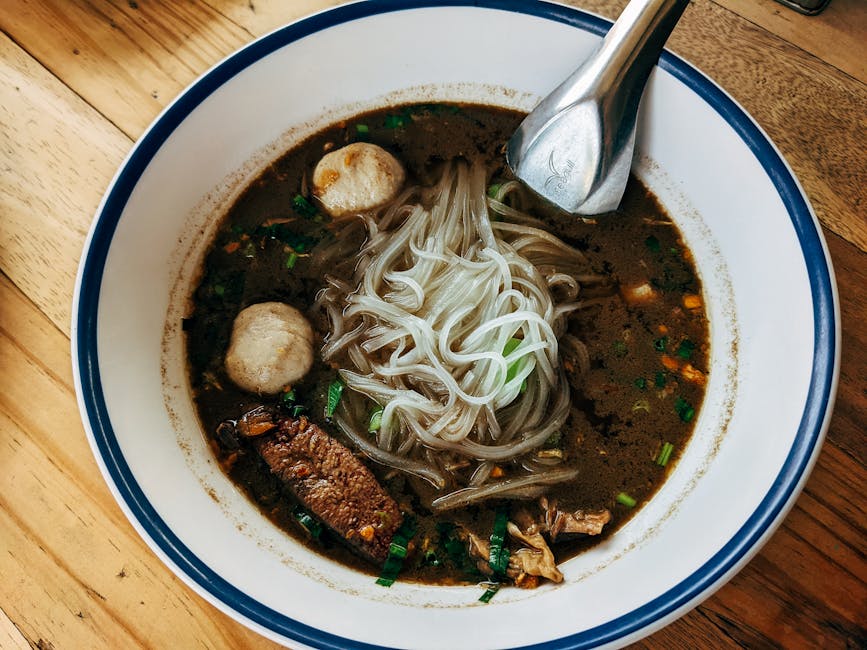
Travelers on a shoestring can still indulge by visiting the night market, where you’ll find grilled chicken skewers, papaya salad, and fresh coconut water for pennies. For a deeper dive into budget‑friendly dining, see our Ayutthaya budget travel guide that lists the best value spots and tips for haggling.
Transportation Tips: Getting Around Ayutthaya
The historical park spans several kilometers, so the most popular way to explore is by bicycle. Rental shops line the main road, offering sturdy bikes for as little as 50 THB per day.
Bring a lock and a water bottle, and you’ll be set for a leisurely ride between temples.
If you prefer not to pedal, tuk‑tuks are readily available and can be hired for a half‑day at a flat rate. For groups, consider a private minivan that can drop you off at multiple sites without the hassle of finding parking.
Remember to carry small change for bike locks and tuk‑tuk fares, and always confirm the price before starting your journey.
Photography Tips for the Best Shots
Ayutthaya’s golden hour is legendary. Arrive at Wat Chaiwatthanaram 30 minutes before sunrise; the soft light casts long shadows across the prang, creating dramatic silhouettes.
Use a wide‑angle lens to capture the full expanse of the temple complex, and consider a low angle to emphasize the towering chedis.
For street photography, the bustling market lanes provide vibrant colors and candid moments. Shoot in RAW to retain detail in the bright sky and the darker interior of the ruins.
A polarizing filter can help reduce glare on stone surfaces and enhance the sky’s blue.
Don’t forget to back up your photos each evening,local cafés often have reliable Wi‑Fi for quick uploads.
Practical Tips for Your Visit
Dress modestly when entering temple grounds,shoulders and knees should be covered. Carry a reusable water bottle; the climate can be hot, and staying hydrated is essential.
Cash is king in Ayutthaya’s markets and small eateries, so keep a few hundred baht on hand. English signage is limited outside the main tourist spots, so a translation app can be handy.
Lastly, respect the ruins. Stick to marked paths, avoid climbing on structures, and dispose of trash responsibly.
Your mindful behavior helps preserve this heritage for future travelers.
Frequently Asked Questions
How many days do you need in Ayutthaya?
A day trip covers the highlights, but two days let you explore hidden temples and savor local food without feeling rushed.
What is the best time to visit Ayutthaya?
The cool season from November to February offers comfortable temperatures for temple visits and outdoor exploration.
How do I get around Ayutthaya?
Renting a bicycle, hiring a tuk‑tuk, or joining a guided tour are the most convenient ways to navigate the historical park.
Is Ayutthaya worth visiting?
Absolutely,it’s one of Thailand’s most important historical sites, with stunning ruins, vibrant local culture, and delicious street food.
Can you visit Ayutthaya on
a budget? Yes, especially if you take the train from Bangkok, eat at local markets, and explore by bicycle.
