
Provide species-specific signs of affection in cats, covering body language, vocalizations, and common behaviors, with science-backed explanations.
how to tell if your cat loves you xx
Section 01: Introduction
{ "section_id": "SECTION_01", "slot": "intro", "heading": "Introduction", "body": "Cats don’t love the way dogs do, and that’s exactly why their affection feels so earned. You might have wondered if that slow blink or the gentle headbutt means something more than just a request for food.
Learning how to tell if your cat loves you isn’t about decoding some mysterious feline code,it’s about recognizing a set of species-specific signals that researchers have studied for decades.nnThis article walks you through the science-backed signs of cat affection, from subtle body language to unmistakable vocalizations. You’ll discover what each behavior really means, why cats evolved these gestures, and how to tell the difference between love and simple food motivation.
By the end, you’ll have a clear, evidence-based understanding of the bond you share with your cat.", "internalLinks": [] }
Section 02: The Unique Bond Between Cats and Humans
{ "section_id": "SECTION_02", "slot": "body", "heading": "The Unique Bond Between Cats and Humans", "body": "Cats have shared our homes for millennia, yet their quiet expressions of affection often get misinterpreted as indifference. Learning how to tell if your cat loves you means tuning into a language built on subtlety rather than overt displays.
While many pets show love in obvious ways, cats operate on a more nuanced frequency that rewards patient observation. Research from Oregon State University found that cats form secure attachments to their caregivers, much like dogs and human infants, proving the bond is real and deep.nn
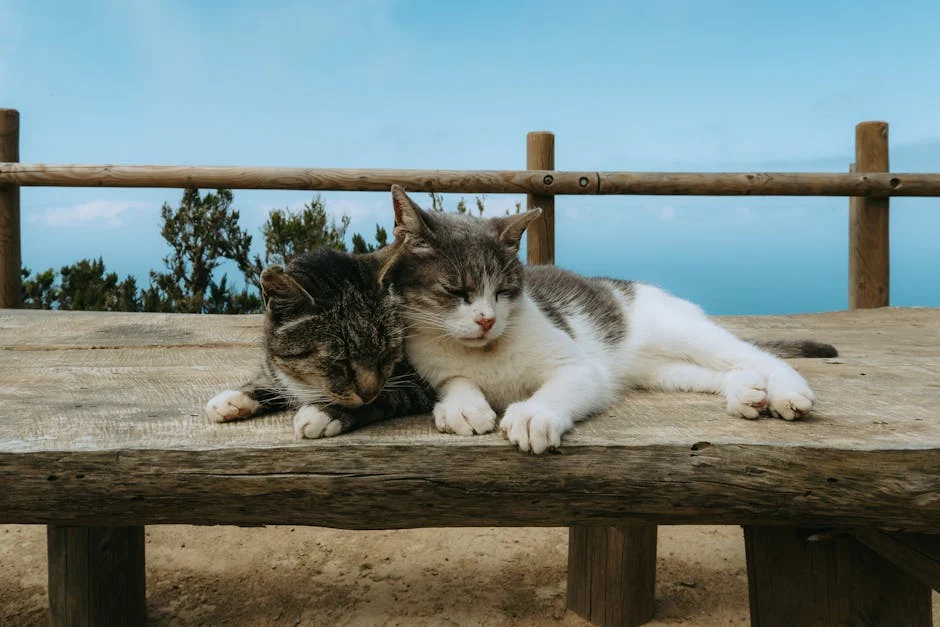
nn{{SECTION_02_CALLOUT_1}}nnThis unique bond stems from the cat’s evolutionary path. Unlike dogs, which were actively domesticated, cats essentially chose to live near humans, forging a relationship based on mutual benefit rather than hierarchy.
That partnership still shapes how they express love today, through behaviors that signal trust and companionship, not submission. Recognizing these signs transforms how you interpret every purr, head bump, and slow blink, turning everyday moments into proof of a deep emotional connection.
In the sections ahead, you’ll learn to spot each of these love signals in your own cat.", "images": { "SECTION_02_IMAGE_1": { "url": "", "alt": "A cat slow blinking at its owner, a sign of trust and affection", "local_path": "./images/SECTION_02_IMAGE_1.webp", "query_img": "cat slow blinking love sign" } }, "rich_blocks": { "SECTION_02_CALLOUT_1": { "type": "callout", "label": "Pro Tip", "text": "Cats aren’t aloof,they just speak a different love language. Once you understand their signals, you’ll realize your cat has been saying ‘I love you’ all along." } }, "internalLinks": [ { "href": "/how-to-tell-if-your-pet-loves-you/", "anchorText": "many pets show love in obvious ways" } ] }
Section 03: Sign #1: Slow Blinking – The Cat Kiss
{ "section_id": "SECTION_03", "slot": "body", "heading": "Sign #1: Slow Blinking – The Cat Kiss", "body": "One of the most subtle yet powerful ways to tell if your cat loves you is the slow blink, often called a cat kiss. Cats are both predators and prey, so closing their eyes in your presence signals a profound level of trust and relaxation.
Animal behaviorists explain that when a cat looks at you and slowly closes its eyes, it is essentially saying, "I feel safe enough with you to let my guard down." This isn’t a sleepy gesture but a deliberate communication of comfort and affection.nn
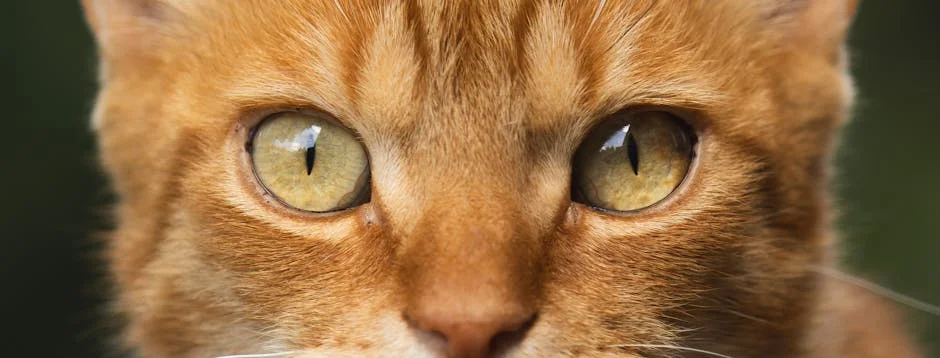
nnRecognizing a genuine slow blink is simple once you know what to look for. The cat’s eyelids will droop or half-close, and the blink itself is unhurried, sometimes accompanied by a soft, relaxed face and forward-facing ears.
A hard, unblinking stare is the opposite: a sign of tension or aggression. While rabbits have their own ways of showing love, cats rely on subtle body language like the slow blink to express fondness.
You’ll often see this behavior when your cat is lounging in a sunbeam or curled up next to you, a clear indicator that you are part of their trusted inner circle.nnYou can even use the slow blink to communicate back, strengthening your bond in a language your cat instinctively understands. Soften your gaze, slowly close your eyes for a second, then open them gently.
Many cats will mirror the gesture, creating a quiet, reciprocal moment of connection. {{SECTION_03_CALLOUT_1}} This simple exchange reinforces your bond and shows your cat that you are not a threat.
But slow blinking is just the start of feline affection; next we’ll explore another tactile sign: head bunting and rubbing.", "images": { "SECTION_03_IMAGE_1": { "url": "", "alt": "A cat performing a slow blink, showing half-closed eyes and a relaxed expression", "local_path": "./images/SECTION_03_IMAGE_1.webp", "query_img": "cat slow blinking close up" } }, "rich_blocks": { "SECTION_03_CALLOUT_1": { "type": "callout", "label": "Pro Tip", "text": "Mirroring your cat’s slow blink is one of the fastest ways to build trust. Do it when your cat is relaxed, and you’ll often see them blink back." } }, "internalLinks": [ { "href": "/how-to-tell-if-your-rabbit-loves-you/", "anchorText": "rabbits have their own ways of showing love" } ] }
Section 04: Sign #2: Head Bunting and Rubbing
{ "section_id": "SECTION_04", "slot": "body", "heading": "Sign #2: Head Bunting and Rubbing", "body": "Head bunting feels like a gentle nudge, but it’s actually a profound sign of feline love. Cats have scent glands on their cheeks, chin, and forehead that release pheromones when they rub against you.
By depositing these chemical signals, your cat is essentially marking you as part of their trusted inner circle. This behavior, known as bunting, goes beyond simple scent marking.
It’s a deliberate social gesture that reinforces your bond. When your cat presses their head into your hand or face, they’re mixing their scent with yours, creating a shared family scent that signals safety and belonging.nn
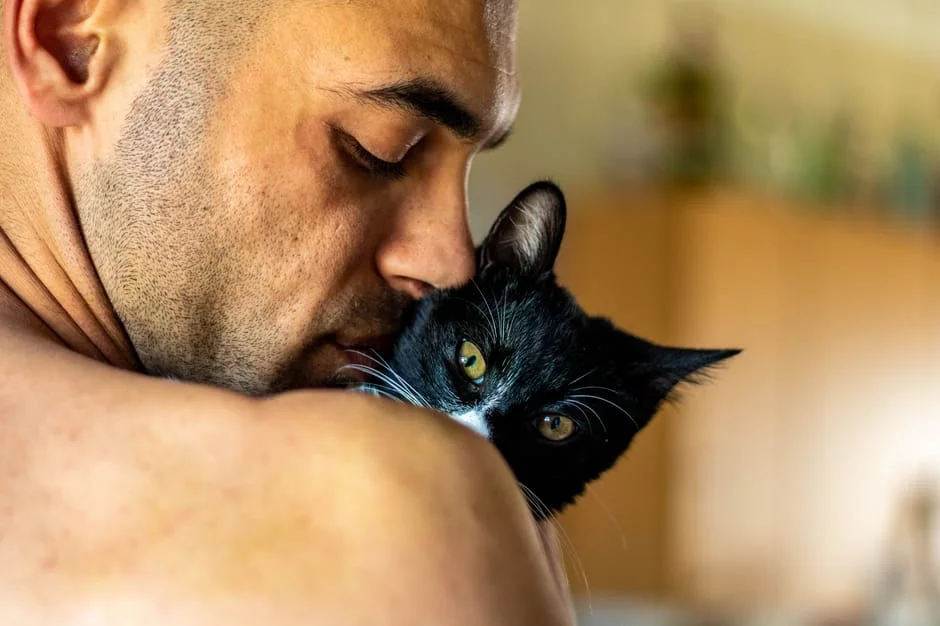
nnRubbing against your legs or body is an extension of this scent-based communication. Unlike the territorial marking you might see with spraying, bunting is reserved for familiar, beloved companions.
In multi-cat households, cats often bunt each other as a greeting, and they extend that same courtesy to their favorite humans. It’s one of the clearest ways to tell if your cat loves you, because they’re choosing to include you in their social group.
While birds show affection differently, cats rely heavily on scent to express comfort and attachment. Pay attention to when your cat bunts you.
It’s often when they’re feeling relaxed and content, like during a quiet evening on the couch.nnEncouraging head bunting can deepen your connection. When your cat initiates a bunt, try gently pressing your forehead or cheek against theirs in return.
This mimics the mutual grooming and scent exchange that cats do with each other. Some cats may even close their eyes during the exchange, which adds a layer of trust.
They’re vulnerable in that moment. Not every cat will enjoy this, so watch their body language for signs of overstimulation.
The key is to let the interaction be on their terms, reinforcing that you’re a safe and responsive companion.nn{{SECTION_04_CALLOUT_1}}nnWatch this clip to see head bunting in action and learn more about feline affection.nn{{SECTION_04_VIDEO_1}}nnNext, we’ll explore another endearing behavior that starts in kittenhood: kneading.", "images": { "SECTION_04_IMAGE_1": { "url": "", "alt": "Cat head bunting owner affection", "local_path": "./images/SECTION_04_IMAGE_1.webp", "query_img": "cat head bunting owner affection" } }, "rich_blocks": { "SECTION_04_CALLOUT_1": { "type": "callout", "label": "Common Mistake", "text": "It’s easy to confuse head bunting with a food-seeking behavior, but it’s primarily a social bonding ritual. If your cat bunts you right before mealtime, they’re likely saying ‘I’m happy you’re here’ rather than ‘feed me now.’" }, "SECTION_04_VIDEO_1": { "type": "youtube", "url": "https://www.youtube.com/watch?v=lPj5gORYHDQ", "caption": "Watch a cat demonstrate head bunting and other signs of affection.", "reason": "This video includes a dedicated segment on head bunting at 01:00, providing a clear visual example that helps readers recognize the behavior in their own cats." } }, "internalLinks": [ { "href": "/how-to-tell-if-your-bird-loves-you/", "anchorText": "birds show affection differently" } ] }
Section 05: Sign #3: Kneading – The Biscuit-Making Ritual
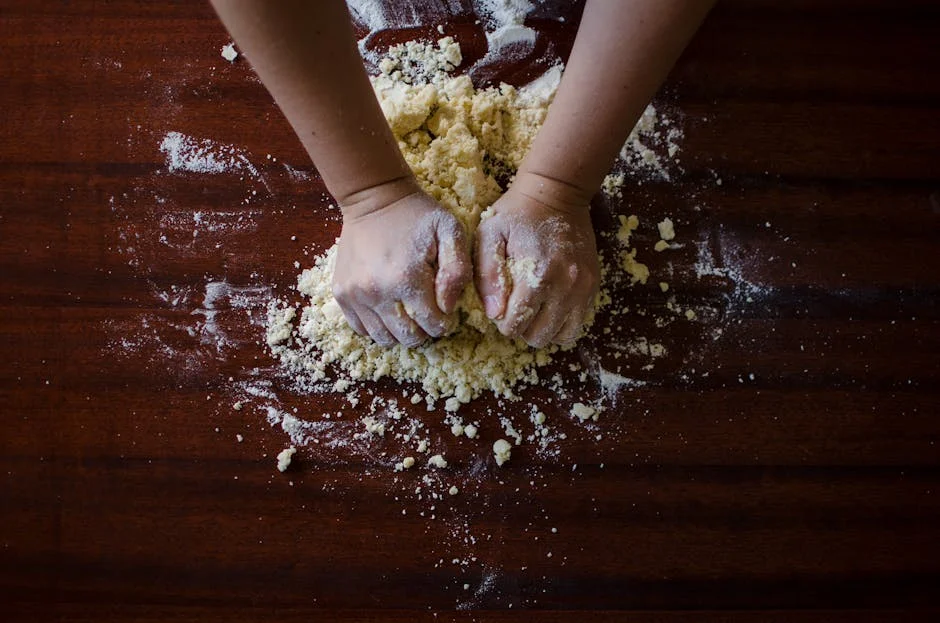
{ "section_id": "SECTION_05", "slot": "body", "heading": "Sign #3: Kneading – The Biscuit-Making Ritual", "body": "Kneading is one of the most unmistakable signs your cat feels deeply bonded to you. You’ll recognize it instantly: your cat presses one paw, then the other, rhythmically into a soft surface, often purring with eyes half-closed.
Many owners call it making biscuits, and the motion does look exactly like a baker working dough. This behavior isn’t random.
It’s a direct line back to kittenhood, when your cat kneaded its mother’s belly to stimulate milk flow. When an adult cat kneads you, it’s tapping into that same primal comfort circuit, associating your presence with safety and nourishment.nn
nnScientists believe kneading also serves a territorial purpose. Cats have scent glands in the pads of their paws, and each press releases pheromones that mark you as part of their trusted inner circle.
So when your cat kneads your lap or a blanket next to you, it’s claiming you as its own in the most affectionate way possible. The behavior often intensifies when your cat is feeling particularly relaxed or seeking reassurance.
I’ve noticed my own cat kneads more vigorously on chilly evenings, almost like she’s trying to create a warm nest out of me. That personal observation lines up with what behaviorists say: kneading spikes during moments of peak contentment.nnNot every cat kneads, but if yours does, take it as a genuine love letter.
This ritual isn’t offered to just anyone. Cats reserve kneading for humans they trust completely, and the act itself releases endorphins that reinforce the bond.
Next time your cat starts working those paws on your stomach, resist the urge to move. That tiny bit of discomfort is actually your cat saying, in the clearest language it knows, that you’re family.", "images": { "SECTION_05_IMAGE_1": { "url": "", "alt": "Orange tabby cat kneading a soft gray blanket with paws pressed rhythmically, eyes closed in contentment", "local_path": "./images/SECTION_05_IMAGE_1.webp", "query_img": "cat kneading blanket biscuit making" } }, "rich_blocks": {}, "internalLinks": [] }
Section 06: Sign #4: Purring and Its Meanings
{ "section_id": "SECTION_06", "slot": "body", "heading": "Sign #4: Purring and Its Meanings", "body": "Purring is perhaps the most recognizable feline vocalization, yet its meaning is far more complex than simple contentment. While many people associate the rumbling sound with a happy cat, the truth is that purring serves multiple emotional and physiological functions.
Learning to interpret the context of your cat’s purr is essential for understanding how to tell if your cat loves you, because not every purr is an expression of affection.nn
nn<h3>The Contentment Purr</h3>nnA relaxed cat often produces a deep, rhythmic purr when she’s curled up in your lap or being stroked. This type of purring typically accompanies other signs of trust, such as slow blinking or kneading.
The frequency of a contentment purr, around 25 to 150 Hertz, has been shown to promote tissue regeneration and bone density, which may explain why cats purr when they’re at ease. If your cat greets you with a soft purr and a raised tail, she’s signaling that she feels safe and bonded.nn<h3>Purring as Communication and Self-Soothing</h3>nnCats also use purring as a solicitation call, especially when they’re hungry.
Researchers have identified a distinct "solicitation purr" that incorporates a high-frequency cry within the low rumble, sounding more urgent and harder to ignore. This purr is a learned behavior aimed at getting human attention, not necessarily a sign of love.
Beyond communication, cats purr when they are in pain, during labor, or when stressed. The low-frequency vibrations act as a self-soothing mechanism, helping to calm the nervous system and even accelerate healing.nn{{SECTION_06_CALLOUT_1}}nnTo distinguish an affectionate purr from a self-soothing one, watch for accompanying body language.
A cat that loves you will purr while leaning into your touch, with ears forward and eyes half-closed. If the purring occurs while the cat is hiding, flattened, or avoiding interaction, it’s likely a coping mechanism rather than a sign of affection.
Paying attention to these subtle cues will deepen your understanding of your cat’s emotional world.", "images": { "SECTION_06_IMAGE_1": { "url": "", "alt": "A cat purring contentedly while being petted, showing relaxed body language", "local_path": "./images/SECTION_06_IMAGE_1.webp", "query_img": "cat purring contentedly close-up" } }, "rich_blocks": { "SECTION_06_CALLOUT_1": { "type": "callout", "label": "Important", "text": "Purring isn’t always a sign of happiness. Cats also purr when they’re in pain or stressed, using the low-frequency vibrations as a self-soothing mechanism." } }, "internalLinks": [] }
Section 07: Sign #5: Bringing You Gifts (Toys or Prey)
{ "section_id": "SECTION_07", "slot": "body", "heading": "Sign #5: Bringing You Gifts (Toys or Prey)", "body": "Few things say "I love you" in cat language as clearly as a dead mouse on your pillow. When your cat deposits a toy, a bug, or even a small animal at your feet, it’s not being gross,it’s sharing a valuable resource.
This behavior stems from a deeply ingrained maternal instinct. Mother cats bring prey to their kittens to teach them how to eat, so when your indoor cat brings you a crumpled receipt or a toy mouse, she’s treating you like family.
In her mind, you’re a large, hairless kitten who needs feeding, and that’s a powerful sign your cat loves you.nn
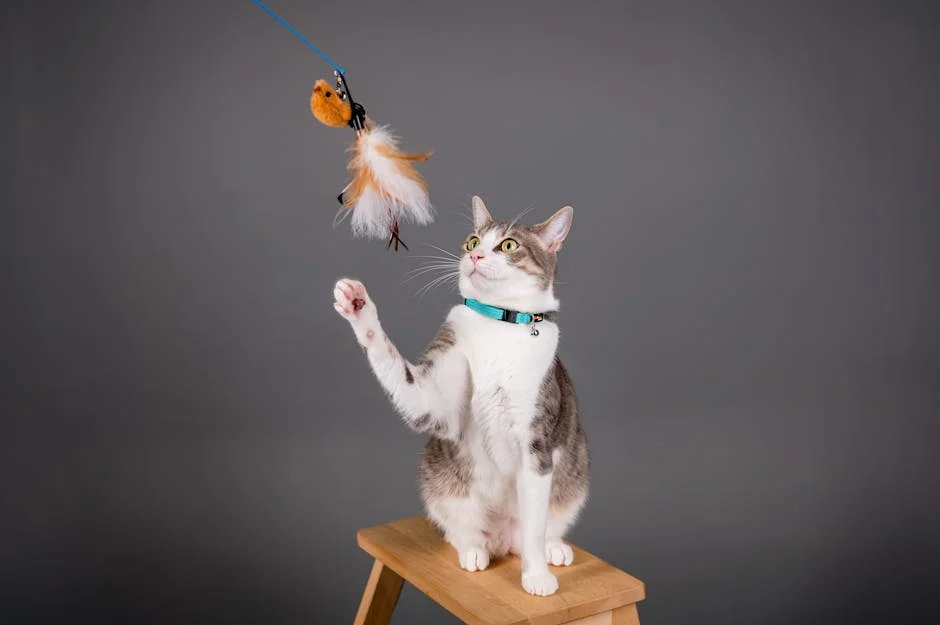
nnDistinguishing between toy gifts and real prey matters. Outdoor cats are more likely to deliver actual kills, while indoor cats substitute whatever they can carry,socks, hair ties, or their favorite toy.
Either way, the motivation is identical: providing for their social group. A 2015 study in Animal Cognition found that cats view their owners as a secure base, much like dogs and human infants, and gift-giving reinforces that bond.
If you wake up to a "present," resist the urge to scold. Instead, praise your cat warmly, then discreetly dispose of the offering.
Punishment can confuse her and damage the trust she’s showing.nnRecognizing this behavior as affection rather than a nuisance changes everything. The next time your cat drops a toy at your feet, remember that she’s honoring you with a share of her hunt.
That’s a compliment no other pet gives quite the same way. And once you see this as a sign of deep attachment, you’ll be ready to spot the next subtle cue: where your cat chooses to sleep.", "images": { "SECTION_07_IMAGE_1": { "url": "", "alt": "Orange tabby cat dropping a toy mouse at its owner’s feet as a sign of love", "local_path": "./images/SECTION_07_IMAGE_1.webp", "query_img": "cat bringing toy to owner love" } }, "rich_blocks": {}, "internalLinks": [] }
Section 08: Sign #6: Sleeping on or Near You
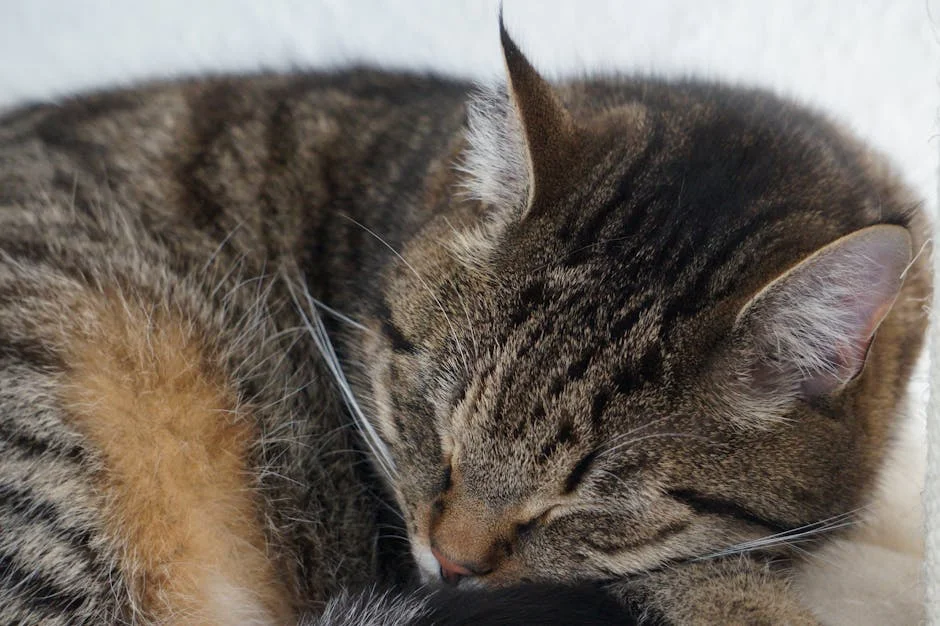
{ "section_id": "SECTION_08", "slot": "body", "heading": "Sign #6: Sleeping on or Near You", "body": "When your cat chooses to sleep on your lap, chest, or even your head, it’s more than a quest for comfort. This vulnerable act is a profound feline declaration of love and trust.
In the wild, sleep is a dangerous time, so a cat only dozes off where it feels completely safe. By selecting you as their sleeping spot, they’re signaling that you are their sanctuary.nn
nnThe warmth you provide is certainly a bonus, but the deeper reason lies in scent and security. Cats have scent glands on their face and paws, and when they sleep on you, they’re mingling their scent with yours, marking you as part of their family group.
This behavior is rooted in the same instinct that makes kittens pile together for warmth and protection.nn{{SECTION_08_CALLOUT_1}}nnEven if your cat prefers to sleep nearby rather than directly on you, don’t underestimate the gesture. Choosing a spot a few feet away still means they want to be in your presence while maintaining a bit of independence.
This sleeping habit is one of the clearest ways to tell if your cat loves you, blending their need for safety with a genuine bond.", "images": { "SECTION_08_IMAGE_1": { "url": "", "alt": "Cat sleeping peacefully on owner’s lap", "local_path": "./images/SECTION_08_IMAGE_1.webp", "query_img": "cat sleeping on owner lap trust" } }, "rich_blocks": { "SECTION_08_CALLOUT_1": { "type": "callout", "label": "Did You Know", "text": "A cat sleeping on you isn’t just about warmth. It’s a primal sign of trust and affection, harkening back to kittenhood when they slept in a pile with littermates for safety and bonding." } }, "internalLinks": [] }
Section 09: Sign #7: Following You Around
{ "section_id": "SECTION_09", "slot": "body", "heading": "Sign #7: Following You Around", "body": "Cats that follow you from room to room are expressing more than just curiosity. This behavior is a clear sign that your cat feels a deep attachment and wants to be near you.
In multi-cat households, the cat that shadows you is often the one that has chosen you as their primary social partner. Learning how to tell if your cat loves you often comes down to observing these quiet, consistent behaviors that happen every day.nn
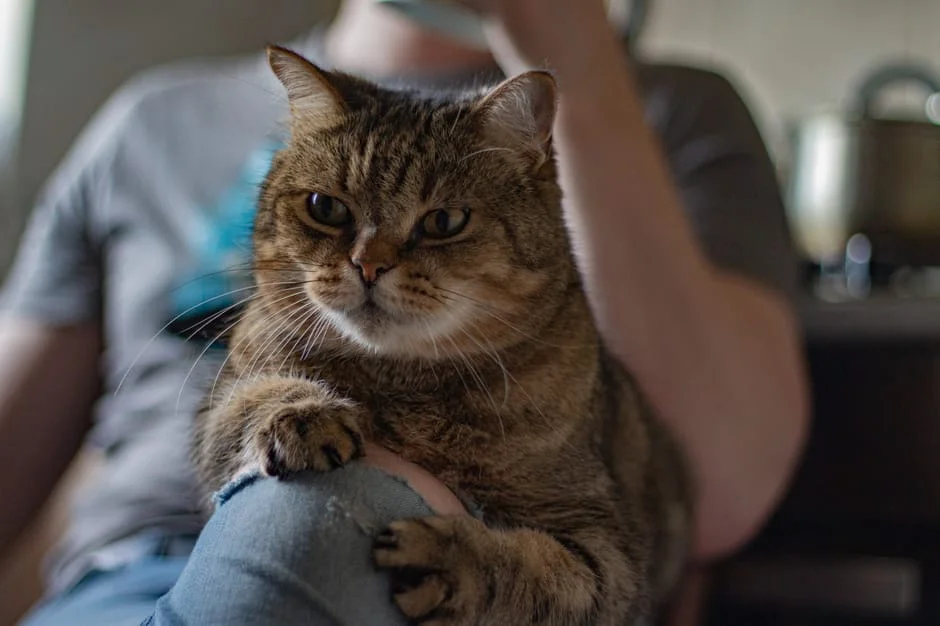
nnShadowing isn’t driven solely by hunger or the hope of a treat. While cats do learn that following you into the kitchen can lead to food, they also do it when they’re full and simply want company.
A cat that chooses to nap in the same room you’re working in, or that waits outside the bathroom door, is displaying a form of social bonding that mirrors the way feral cats stick together in colonies. It’s a trust cue that says you’re part of their safe territory.nnPay attention to when the following happens most.
Many cats ramp up this behavior during quiet evening hours or when you’re feeling unwell. That’s not a coincidence.
Cats are sensitive to routine and emotional states, and staying close is their way of offering comfort and maintaining connection. If your cat trails you like a tiny, furry shadow, take it as a genuine compliment.", "images": { "SECTION_09_IMAGE_1": { "url": "", "alt": "A cat following its owner down a hallway, looking up with affection", "local_path": "./images/SECTION_09_IMAGE_1.webp", "query_img": "cat following owner around house" } }, "rich_blocks": {}, "internalLinks": [] }
Section 10: Sign #8: Tail Language: The Question Mark and Wrapping
{ "section_id": "SECTION_10", "slot": "body", "heading": "Sign #8: Tail Language: The Question Mark and Wrapping", "body": "A cat’s tail acts like an emotional barometer, broadcasting feelings that words can’t capture. Among the most affectionate signals are two specific tail positions: the upright question mark and the gentle wrap.
These movements go beyond simple greeting; they’re deliberate expressions of trust and comfort that reveal just how much your cat values your presence.nn
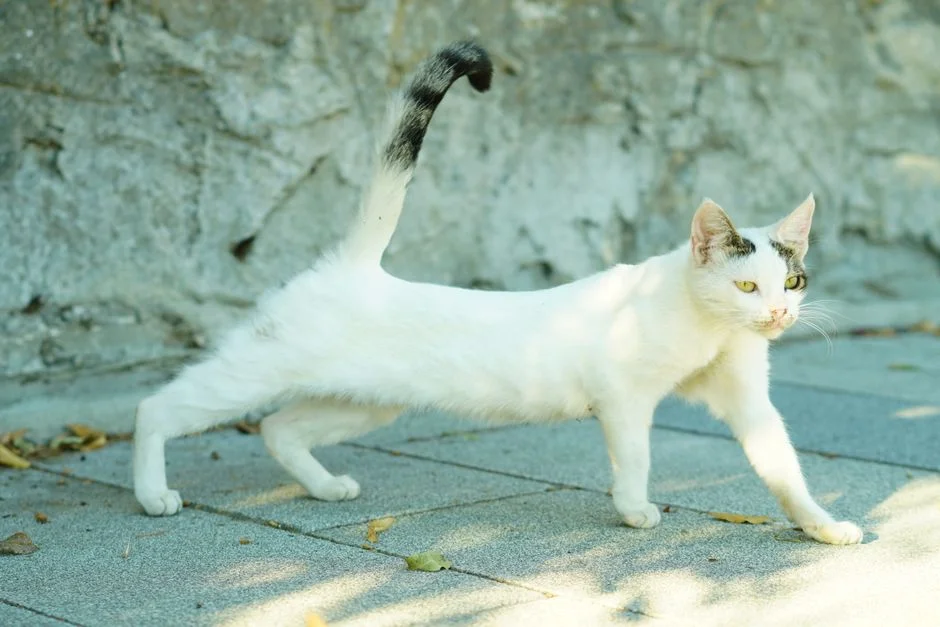
nn<h3>The Question Mark Tail</h3>nnSpotting a tail held high with a tiny curve at the tip is one of the purest signs of feline friendliness. This shape, often called the question mark, appears when a cat approaches someone they feel completely safe around.
It’s a visual hello that says, "I’m happy to see you," and it’s frequently paired with slow blinks or a soft trill. In multi-cat households, you’ll notice this tail posture during relaxed social moments, never when a cat is on guard.
Understanding this subtle cue helps you recognize those quiet moments of connection that define how to tell if your cat loves you.nn<h3>Tail Wrapping Around You</h3>nnWhen a cat winds its tail around your leg or drapes it over your arm, it’s mimicking a bonding behavior usually reserved for close feline companions. This deliberate contact transfers scent and creates a physical link that signals, "You’re part of my trusted circle." Unlike a quick brush-by, the wrap lingers, and many cats will tighten the curl slightly as if giving a small hug.
Some felines even wrap their tails around another cat’s tail during grooming sessions, so directing that gesture toward a human is a profound compliment. It’s a quiet but unmistakable way your cat says, "I love you," without making a sound.nnNext time your cat greets you, watch the tail.
A high question mark means they’re genuinely glad you’re there, while a wrap shows you’ve been accepted as family. Both signals are easy to miss if you’re not looking, but once you learn them, you’ll spot affection in places you never expected.", "images": { "SECTION_10_IMAGE_1": { "url": "", "alt": "Cat with question mark tail shape showing affection", "local_path": "./images/SECTION_10_IMAGE_1.webp", "query_img": "cat question mark tail affection" } }, "rich_blocks": {}, "internalLinks": [] }
Section 11: Sign #9: Exposing Their Belly (Trust Cue)
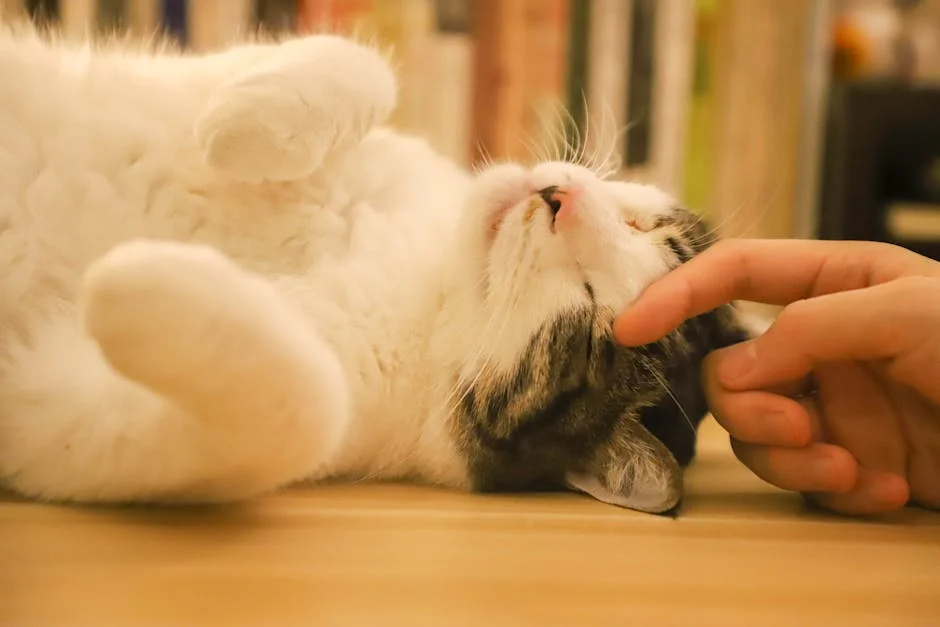
{ "section_id": "SECTION_11", "slot": "body", "heading": "Sign #9: Exposing Their Belly (Trust Cue)", "body": "A cat rolling over to show you its belly is one of the most vulnerable postures in the feline world. The abdomen houses vital organs with no skeletal protection, so exposing it signals a profound sense of safety.
When your cat flops down and presents that soft underside, you’re witnessing a key moment in how to tell if your cat loves you. This behavior only appears when a cat feels zero threat from the person nearby.nn
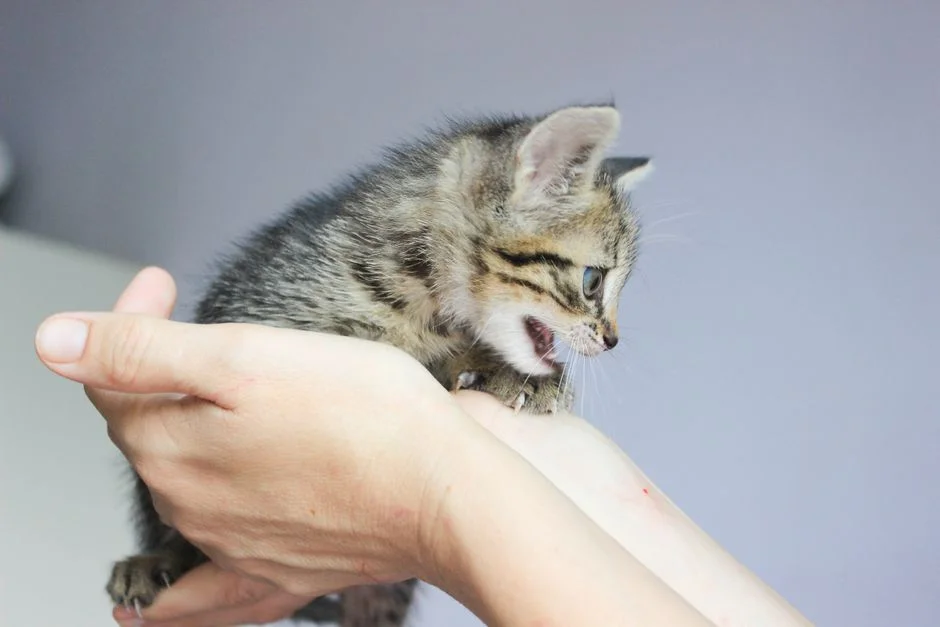
nnMany people mistake this display for an invitation to rub the belly, but that often triggers a defensive swat or bite. The cat isn’t being contradictory; it’s communicating trust, not necessarily asking for physical contact.
Some cats do enjoy gentle belly strokes, but the majority use the pose as a social signal rather than a request. Respecting that boundary reinforces the bond far more than pushing for touch.nnWatching how your cat reacts after exposing its belly tells you a lot about its comfort level.
A relaxed tail, half-closed eyes, and slow blinking alongside the belly display confirm deep contentment. You can acknowledge the gesture with a soft voice or a chin scratch, which honors the trust without overstepping.
Pay attention to these subtle exchanges and you’ll start noticing other quiet signs of feline affection throughout the day.", "images": { "SECTION_11_IMAGE_1": { "url": "", "alt": "Cat lying on its back exposing belly as a trust cue", "local_path": "./images/SECTION_11_IMAGE_1.webp", "query_img": "cat exposing belly trust sign" } }, "rich_blocks": {}, "internalLinks": [] }
Section 12: Sign #10: Grooming You
{ "section_id": "SECTION_12", "slot": "body", "heading": "Sign #10: Grooming You", "body": "Licking your hand, arm, or even your hair might feel a little rough, but it’s one of the purest signs of feline love. Cats spend up to 50% of their waking hours grooming themselves, and when they extend that ritual to you, it’s a deliberate act of social bonding.
This behavior, called allogrooming, is reserved for cats they consider family,littermates, bonded pairs, and, in this case, their favorite human.nn
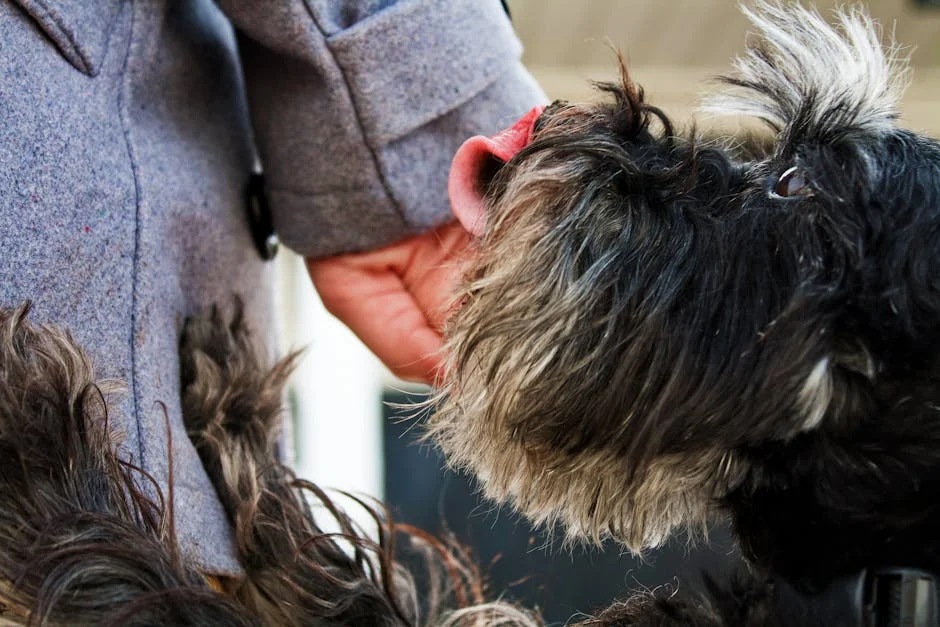
nnGrooming you also mixes your scents, creating a shared colony odor that reinforces your bond. From a kitten’s earliest days, its mother licks it for cleaning and comfort, so the sensation becomes deeply tied to safety and affection.
If your cat grooms you while purring or kneading, you’re witnessing a multi-layered expression of trust. Not every cat will lick, but those that do are showing they see you as part of their inner circle.nnIf your cat suddenly starts grooming you more than usual, it could be a sign of stress,so watch for other cues.
But in a relaxed, happy cat, those sandpaper kisses are as close to ‘I love you’ as it gets.", "images": { "SECTION_12_IMAGE_1": { "url": "", "alt": "A tabby cat gently licking its owner’s hand while sitting on a couch", "local_path": "./images/SECTION_12_IMAGE_1.webp", "query_img": "cat licking owner hand affection" } }, "rich_blocks": {}, "internalLinks": [] }