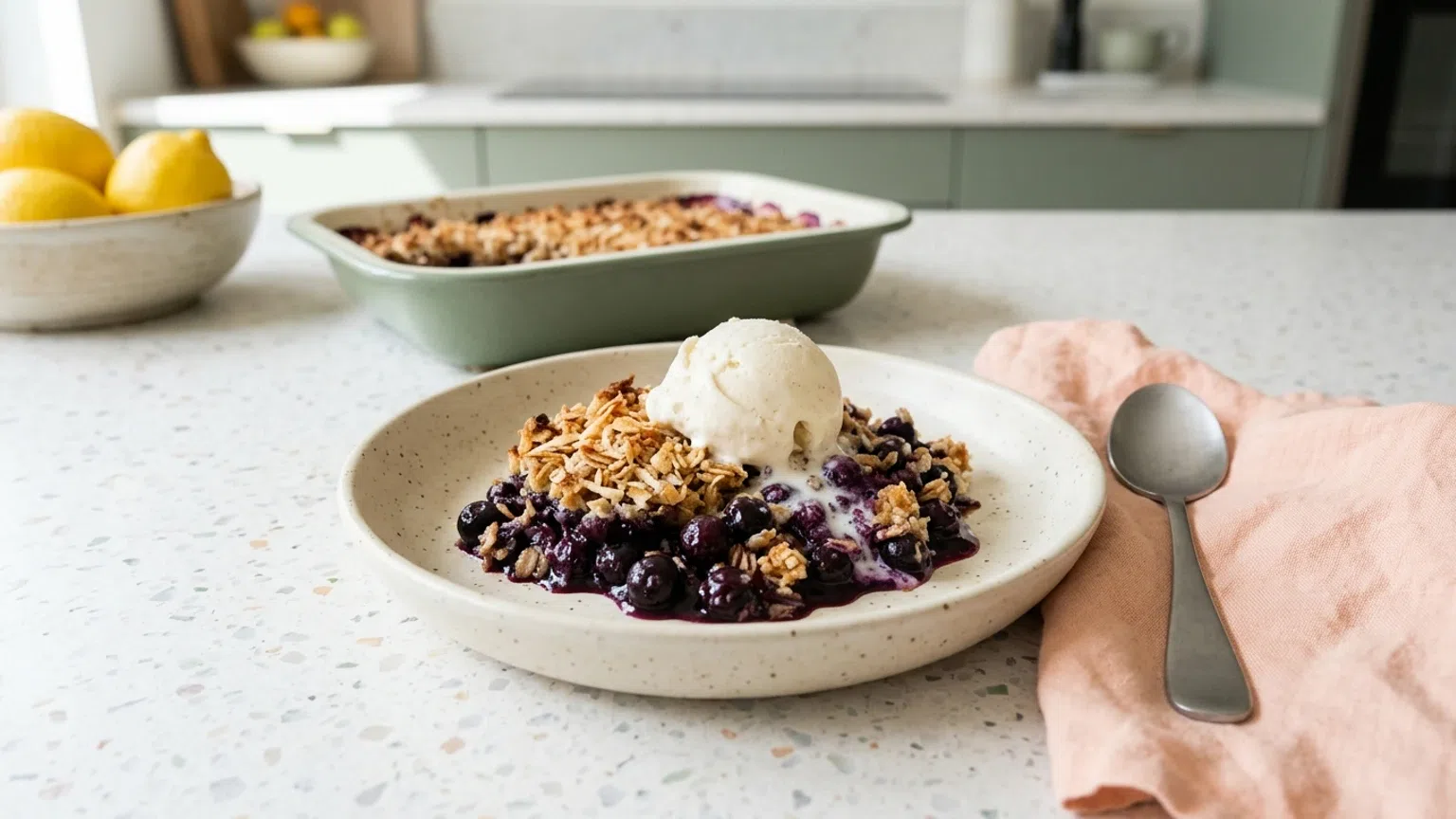
Blueberry coconut crisp has two distinct layers: juicy baked berries underneath and a golden coconut-oat topping above. This version uses coconut oil and takes about 45 minutes with fresh berries. Blueberries and oats contribute fiber, while almond meal provides a flour-free topping option.
The recipe is adapted from Maria Lichty’s Blueberry Coconut Crisp at Two Peas & Their Pod. The pan comparison and filling guide below explain how to manage its loose juices without overbaking the coconut.
Key takeaways
- Expect a spoonable filling because the fruit layer has no added thickener.
- Check the berries and coconut separately; topping color alone cannot confirm readiness.
- Keep the 9 × 9-inch pan when possible, since smaller pans create deeper layers.
- Use certified gluten-free oats and almond meal when making a gluten-free version.
Ingredients and what they do
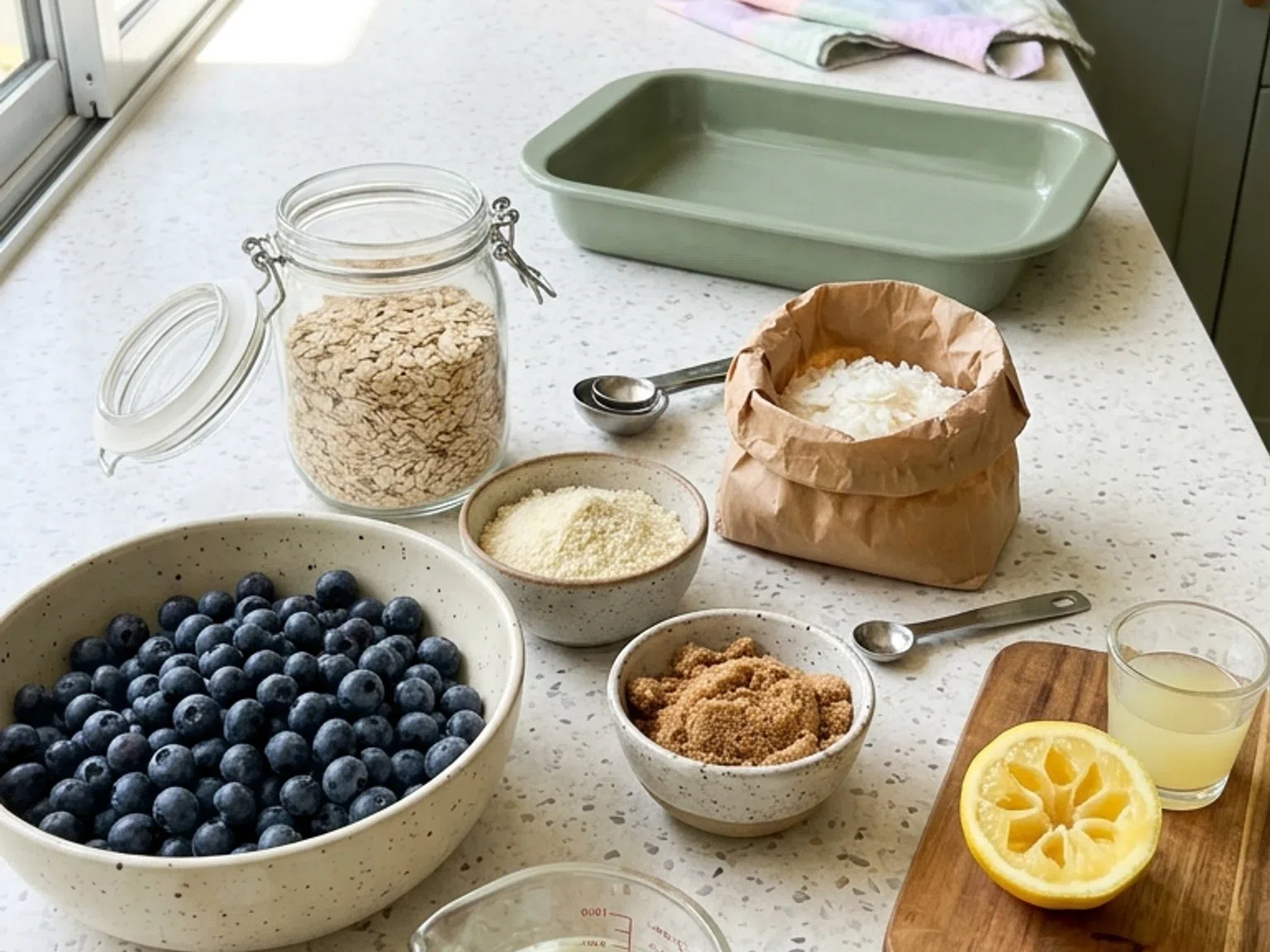
A crisp is a baked fruit dessert with a crumbly topping, often containing oats. Here, coconut supplies additional texture and sweetness.

The complete measurements appear in the recipe card. These ingredient choices matter most:
- Blueberries: Drain washed berries thoroughly. Water clinging to the fruit becomes extra liquid in a filling that already has no thickener.
- Old-fashioned oats: Their distinct flakes provide the topping’s chew. Keep this style rather than switching to steel-cut oats.
- Almond meal or whole wheat flour: Both are options in the source recipe. Almond meal adds nuttiness; whole wheat flour contains gluten.
- Sweetened flaked coconut: Use the specified sweetened coconut to preserve the recipe’s intended sweetness. Unsweetened coconut changes that balance.
- Melted coconut oil: Mix it while liquid so it coats the dry ingredients. The topping should look evenly moistened without dry powder underneath.
For a gluten-free dessert, combine certified gluten-free oats with almond meal. For dairy-free serving, choose an appropriate ice cream or yogurt.
Equipment
Use a 9 × 9-inch baking dish, a medium mixing bowl, measuring cups and spoons, and a mixing spoon. Place a rimmed baking sheet beneath the dish to catch bubbling juices.
King Arthur Baking recommends this baking-sheet precaution in its summer fruit crisp guide. Choose bakeware suitable for the ingredients’ starting temperature and follow its instructions about thermal shock.
Step-by-step cooking guide
1. Spread the berries evenly
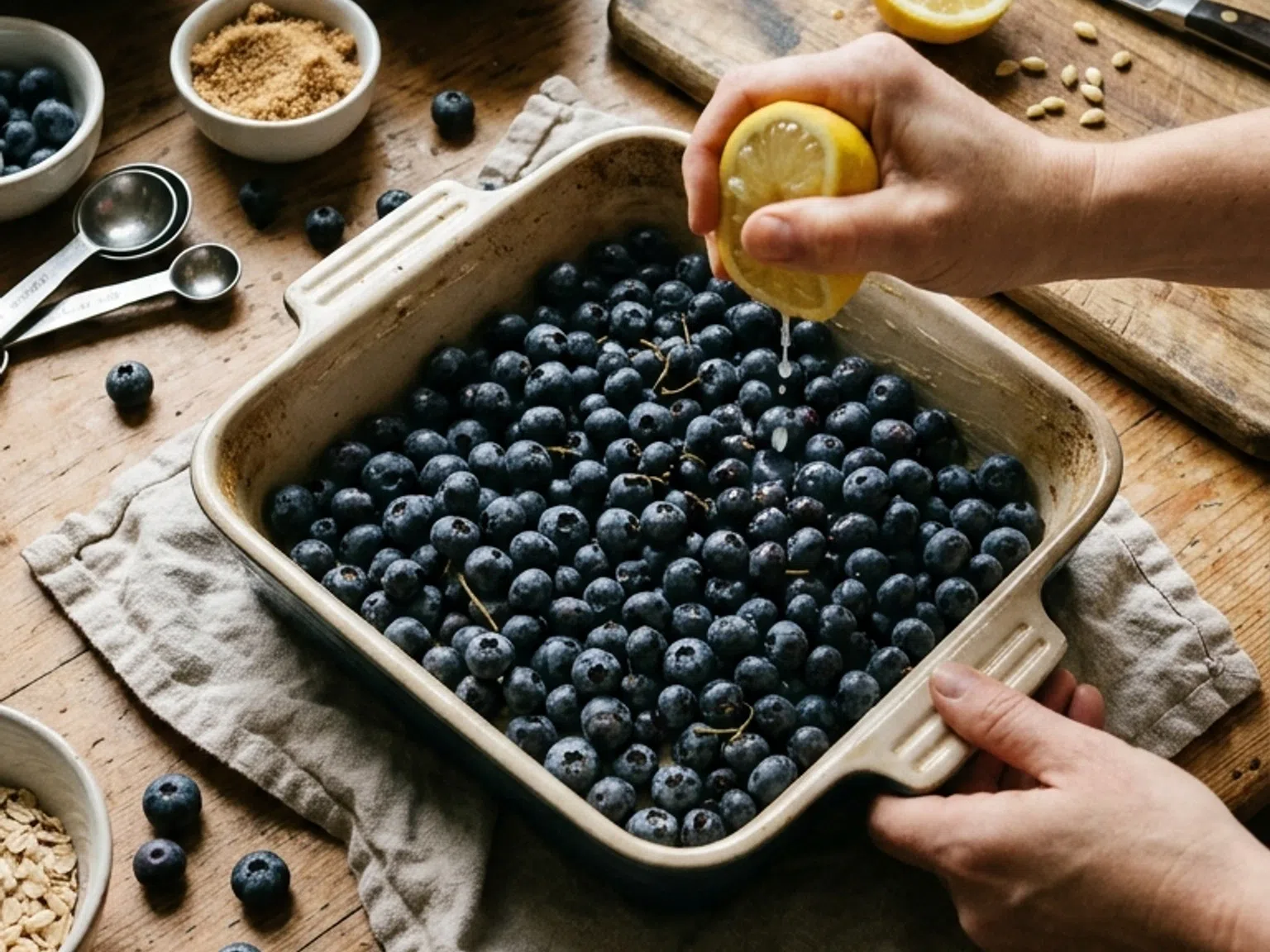
Preheat the oven to 350°F and lightly grease the dish. Add the blueberries and lemon juice, then turn gently with a spoon.

The berries should look lightly moistened rather than sitting in rinse water. Level the fruit so one corner does not contain a much deeper mound.
2. Distribute the sugar before adding oil
Combine all the dry topping ingredients. Break up brown sugar lumps against the bowl.
This prevents isolated sweet patches. It also makes it easier to distribute the salt and cinnamon throughout the mixture.
3. Coat and scatter the topping
Add the melted coconut oil and stir, bringing ingredients up from the bottom of the bowl. Stop when the oats and coconut are coated and no dry pockets remain.
Scatter the mixture across the fruit. Keep it loose enough to leave small openings where you can watch the filling.
4. Check two layers at about 35 minutes
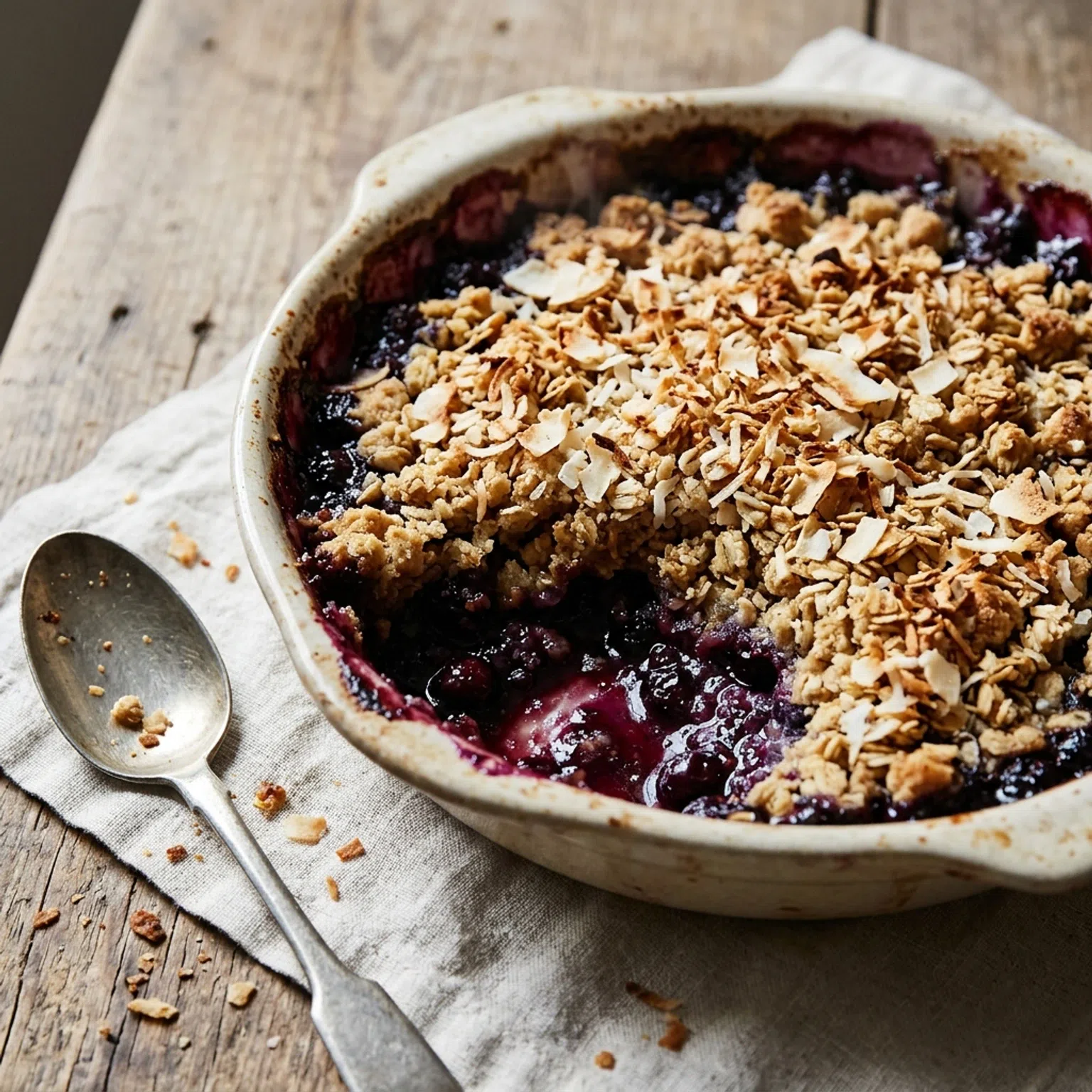
The topping should smell toasted and show golden coconut edges. Purple fruit juices should bubble through openings in the topping.
For example, golden coconut over berries that are still quiet needs more time under a loose foil cover. Darkening the topping further will not solve an underheated filling.
King Arthur’s crisp guidance likewise identifies active fruit bubbling as a useful doneness cue. The 35-minute bake is the source recipe’s timing; ovens and starting temperatures can change it.
5. Spoon into bowls
Let the strongest heat subside before serving. Lift through both layers so each portion includes berries and topping.
Do not expect neat slices. Resting makes the dessert easier to serve, but it does not add the starch needed for a firmer filling.
Kitchen notes: pan size changes the layer depth
A pan swap changes how much fruit and topping cover each square inch. The following calculations use nominal inside dimensions; rounded corners and sloping sides make actual pans vary.
The specified pan has 9 × 9 = 81 square inches of surface area. An 8-inch square pan has 64 square inches, about 21% less area.
With the same batch, the smaller pan creates layers approximately 27% deeper, calculated as 81 ÷ 64. That calculation explains the change in geometry; it does not predict an exact new bake time.
| Pan | Approximate area | Effect with the same batch |
|---|---|---|
| 9-inch square | 81 square inches | Reference size |
| 8-inch square | 64 square inches | Layers about 27% deeper |
| 9-inch round | 64 square inches | Similar area to an 8-inch square |
| 9 × 13-inch rectangle | 117 square inches | Layers about 31% shallower |
For example, spreading one batch into a 9 × 13-inch dish reduces the fruit and topping per square inch substantially. It does not create more dessert; it creates thinner layers.
A double batch contains twice the ingredients, while a 9 × 13-inch pan offers only about 44% more area than the reference pan. Use two 9-inch square dishes to preserve the original layer proportions.
Loose filling or thickened filling?
A thickener is an ingredient that binds liquid during preparation or cooking. The almond meal or flour here belongs in the topping, so it is not a measured thickener for the berries.
This distinction explains why two coconut crisps can produce different results. Rachel Cooks’ blueberry coconut crisp includes 1 tablespoon cornstarch for about 4 cups blueberries in its filling. This recipe uses 5 cups blueberries without added starch.
Those are different filling designs. If you want a thickened version, follow a complete recipe developed with thickener rather than borrowing its starch amount alone. Sugar, fruit quantity, and cooking method also differ.
King Arthur notes that very ripe and frozen fruit can produce especially loose crisp fillings. Choose this version when you want berry juices to mingle with ice cream or yogurt.
Three tips for success
- Check the bottom of the mixing bowl. Dry almond meal can remain hidden beneath coated oats. Stir it in before adding extra oil.
- Protect color while finishing the fruit. Loose foil shields browned coconut without requiring you to remove the crisp early.
- Keep serving toppings separate. Add yogurt or ice cream to individual bowls so leftovers retain their best possible texture.

Serving suggestions
Serve warm in shallow bowls with vanilla ice cream, plain yogurt, or a dairy-free alternative. Garnishes such as fresh blueberries or a little lemon zest keep the berry flavor prominent.
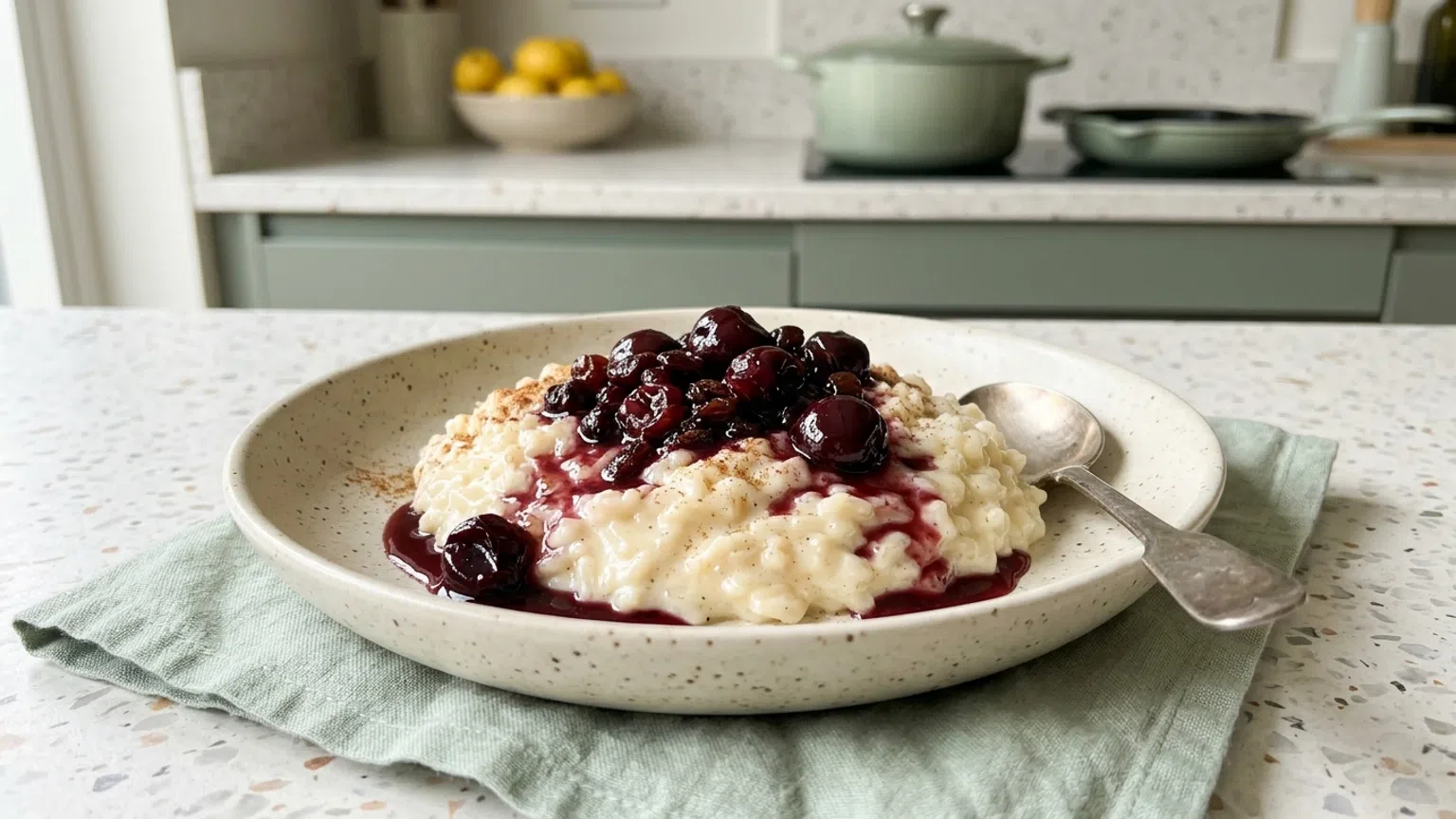
This dessert can follow sheet-pan honey garlic shrimp and broccoli. For a dessert spread, offer small bowls alongside 21 Club rice pudding.
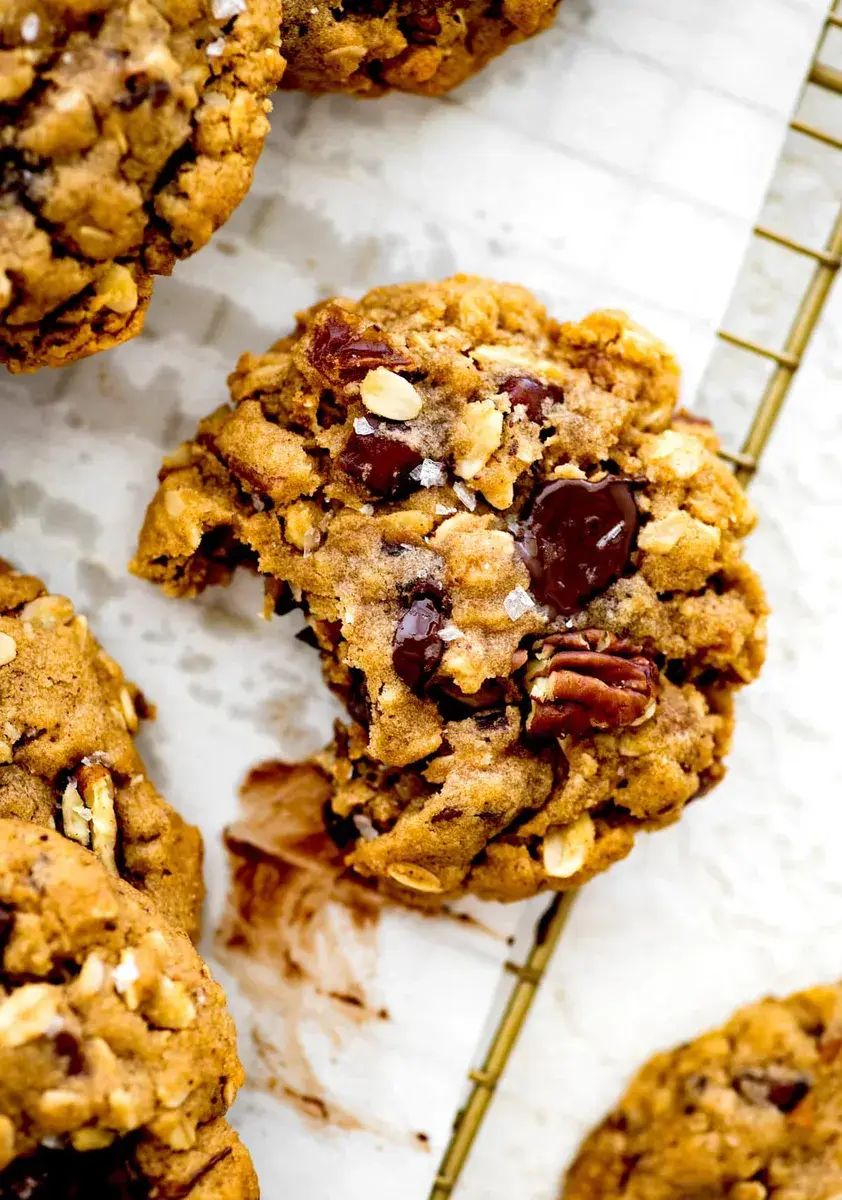
If you need a dessert that portions into pieces, consider blackberry rhubarb buttermilk cake. For a portable oat-based option, try apple cinnamon oatmeal cookies.
Make-ahead, storage, and reheating
Measure the dry topping ahead and keep it covered. Add the oil and assemble near baking time to limit contact between the topping and wet fruit.

Refrigerate baked leftovers promptly in shallow, covered containers and use within 2 days, following the source recipe’s storage limit. The Academy of Nutrition and Dietetics advises refrigerating leftovers within 2 hours at 40°F or below.
For longer storage, freeze baked portions in airtight freezer-safe containers. Thaw in the refrigerator. The topping will soften, so freezing suits portions you plan to warm rather than serve for maximum crunch.
To reheat, place a portion in an oven-safe dish at 350°F. Begin checking after 10–15 minutes, then continue as needed. Use loose foil if the coconut darkens.
The Academy recommends reheating leftovers to 165°F, checked with a food thermometer. Time alone cannot confirm the center temperature, especially with a large refrigerated portion.
Recipe card
Blueberry Coconut Crisp
Blueberry coconut crisp with an oat topping, plus a worked pan-size guide and clear fixes for browned coconut, loose filling, and softened leftovers.
Ingredients
Directions
- Heat the oven to 350°F. Lightly grease a 9 × 9-inch baking dish and set it on a rimmed baking sheet. Spread the drained blueberries in the dish and gently toss with the lemon juice.
- Combine the rolled oats, almond meal or whole wheat flour, coconut, brown sugar, salt, and cinnamon in a bowl. Crush any brown sugar lumps before adding the oil.
- Stir the melted coconut oil into the topping, scraping the bottom of the bowl until no dry pockets remain. Distribute the mixture loosely over the berries without packing it down.
- Bake for about 35 minutes. Check for golden coconut, a toasted aroma, and purple juices actively bubbling through openings in the topping. If the coconut is ready before the fruit, cover loosely with foil and continue baking.
- Allow the strongest heat to subside before spooning into bowls. Serve warm with ice cream or yogurt if desired. Refrigerate leftovers promptly in covered containers and use within 2 days.
Tap a step number to check it off as you cook.
Nutrition Facts per serving · estimated
Amount per serving
% Daily Values are based on a 2,000-calorie diet (FDA).
Good to know
Questions, answered
Why is the blueberry filling loose?
The fruit layer contains blueberries and lemon juice without an added thickener. Expect loose purple juices beneath the topping. The almond meal or flour belongs in the topping and does not provide a measured thickener for the filling.
Can I use frozen blueberries?
Yes. Add them without thawing and allow additional baking time. Keep the oven at 350°F and judge readiness by bubbling fruit. Cover loosely with foil if the coconut becomes golden before the berries are bubbling.
Can I use an 8-inch square pan?
An 8-inch square pan has about 21 percent less surface area than a 9-inch square pan. The same batch will have deeper layers, so it is not a direct timing substitute. Use the specified pan when possible.
How do I make this gluten-free and dairy-free?
Choose certified gluten-free rolled oats and almond meal instead of whole wheat flour. Keep the coconut oil and use dairy-free ice cream or yogurt if serving either. Check packaged ingredient labels.
Can I replace coconut oil with butter?
Use the same volume, 1/3 cup melted butter. Butter adds dairy and changes the flavor. Keep the flaked coconut for the coconut texture.